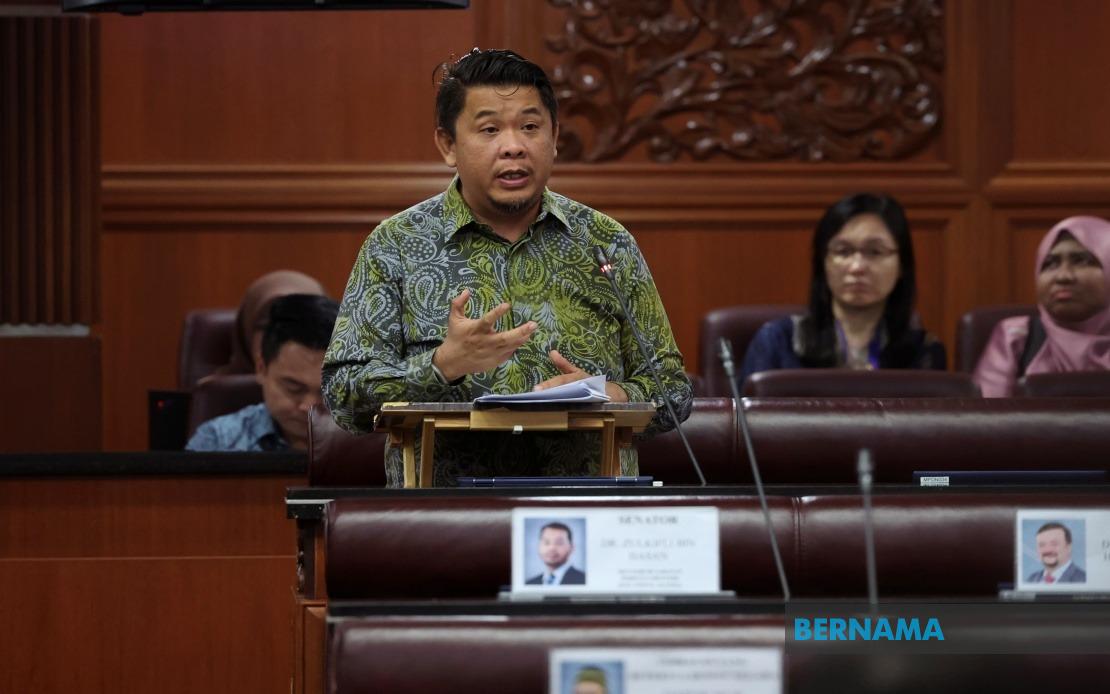
Malaysia has instructed the United Nations High Commissioner for Refugees to suspend all new registrations while the government overhauls its approach to managing the country's refugee population. The decision, approved by Cabinet, aims to establish tighter governmental control over registration procedures through the new Refugee Registration Document, or DPP, programme, according to Deputy Foreign Minister Datuk Lukanisman Awang Sauni.
The restructuring reflects Kuala Lumpur's determination to shift refugee administration away from international organisations and toward domestic agencies. Under the revamped system, Malaysian authorities will independently maintain refugee records, verify identities, track movements, and enforce regulations without depending on data held by external entities. This represents a significant shift in how Malaysia manages its refugee caseload, moving registration processes into the hands of government institutions equipped with enforcement capability.
The announcement came during parliamentary proceedings when Lukanisman addressed questions about the plight of Rohingya refugees who lack both official identity documentation and recognition from Myanmar, their country of origin. The deputy minister emphasised that the pause in registrations serves a strategic purpose: establishing order and preventing irregular migrants from entering the system under false pretences. The DPP programme will operate through coordinated efforts involving multiple enforcement agencies to screen applicants rigorously.
Malaysia's position reflects longstanding sensitivities around refugee policy. The country has not signed the 1951 Refugee Convention, meaning it has no formal international obligation to provide asylum or refugee status. Officials have repeatedly cited concerns about the demographic and security implications of hosting large displaced populations, particularly regarding social cohesion and integration pressures on local communities. The government views the suspension as necessary to prevent Malaysia from indefinitely shouldering responsibilities that should be shouldered by the international community.
Lukanisman stressed that Malaysia remains committed to addressing the Rohingya crisis through multilateral engagement with Myanmar and other ASEAN member states. This approach seeks to resolve the underlying conflict in Myanmar that displaced hundreds of thousands of Rohingya rather than managing increasing refugee numbers within Malaysian territory indefinitely. Regional cooperation mechanisms are being pursued to encourage Myanmar to resolve its internal displacement issues.
The pause in registrations adds another layer to Malaysia's complex refugee landscape. The country currently hosts one of Southeast Asia's largest refugee populations, with significant numbers from Myanmar, Palestine, and other nations. The new system aims to impose stricter categorisation and documentation standards that distinguish between those eligible for protection and economic migrants attempting to exploit refugee pathways.
Simultaneously, Malaysia is accelerating repatriation efforts for detainees. Approximately 5,000 Myanmar nationals held in immigration detention facilities will be returned to Myanmar following that country's confirmation it will accept them. These individuals will be transported via naval vessels in a coordinated repatriation process currently undergoing procedural resolution. This effort signals Malaysia's broader strategy to reduce irregular migrant populations through organised return mechanisms rather than open integration policies.
The DPP programme represents a philosophical shift in Malaysian refugee management. By centralising control within government institutions, authorities gain enhanced capacity to cross-reference information with other databases, conduct thorough background checks, and monitor refugee movements. This approach prioritises national security considerations alongside humanitarian obligations, reflecting how Malaysia balances compassion with sovereignty concerns.
The suspension's duration remains unspecified, though officials indicated the pause is temporary pending the DPP's operational launch. No timeline has been publicly announced for when new registrations might resume. This uncertainty creates challenges for protection-seekers and humanitarian organisations accustomed to the UNHCR's established screening processes.
The decision carries implications beyond Malaysia's borders. Other Southeast Asian nations grappling with refugee populations may observe how Malaysia's new system functions before considering similar domestic alternatives. The move signals growing assertiveness among regional governments in wresting control over refugee affairs from international bodies and establishing sovereignty over population management policies.
For the broader humanitarian community, Malaysia's action underscores persistent tensions between state sovereignty and international protection responsibilities. While countries retain the legal right to manage borders and determine asylum policies independently, suspending registrations creates protection gaps for vulnerable populations. Advocacy groups express concern that operational delays could leave refugees in extended legal limbo without formal recognition or access to services.

