Malaysia's government has committed RM10 million in 2024 to upgrade housing conditions for fishermen across the country, addressing long-standing concerns about living standards within one of Southeast Asia's most vulnerable maritime communities. The Special Fishermen Housing Project (PKPN), managed by the Fisheries Development Authority of Malaysia (LKIM), represents a direct intervention in coastal poverty and reflects growing recognition that the nation's fishing sector requires structural support beyond traditional subsidies.
The investment breaks down into two distinct operational streams. More than RM6.8 million will flow toward repairing existing homes owned by qualifying fishermen, targeting 344 properties nationwide. The remaining RM3.1 million supports construction of 36 new residential units. This dual approach acknowledges that many fishing families inhabit aging dwellings requiring urgent maintenance, while others lack adequate shelter entirely. According to LKIM chairman Muhammad Faiz Fadzil, repair work has advanced to 80 per cent completion, with full realisation anticipated by August or September, whereas new construction is expected to finish within the calendar year.
The allocation framework establishes differentiated funding levels based on geographic location and project type. New house construction receives RM84,000 per unit in Peninsular Malaysia, rising to RM95,000 per unit in the more remote and expensive regions of Sabah and Sarawak. Home repair grants reach RM20,000 per property, enabling significant rehabilitation of deteriorating structures. Kelantan, a major fishing hub, receives RM388,000 under the programme, signalling concentration of resources in states with substantial maritime populations.
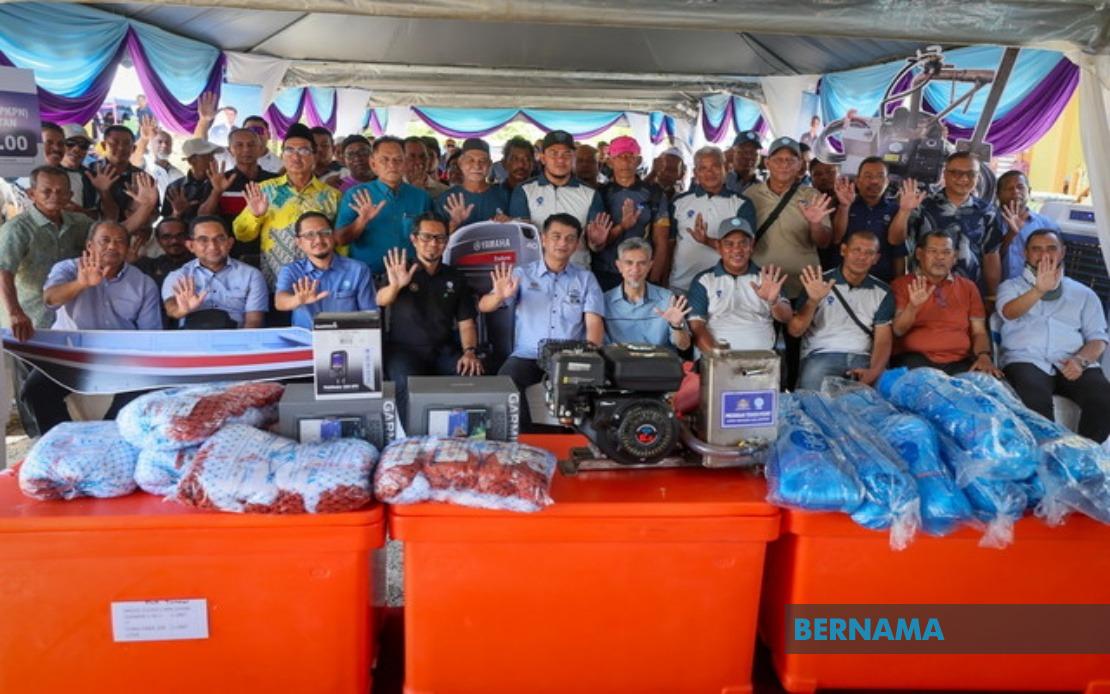
Yet housing investment represents only one dimension of government strategy toward the fishing community. Muhammad Faiz articulated a more ambitious vision during a LKIM gathering with Kelantan fishermen at Pengkalan Kubor, revealing anxiety about conventional fishing's long-term viability. Fisheries resources are contracting due to overharvesting and environmental pressure, while operational expenses—particularly fuel—continue rising despite ongoing government price supports. This combination creates an unsustainable economic trajectory that housing improvements alone cannot resolve.
In response, authorities are aggressively promoting aquaculture as a diversification pathway. The government aims for aquaculture to supply 40 per cent of Malaysia's fish production by 2030, a significant jump from current levels dominated by marine and inland capture fisheries. This target acknowledges both environmental limits on wild stocks and the sector's economic stagnation. Aquaculture offers fishermen controlled production environments, reduced exposure to volatile fuel prices, and potentially higher profit margins per unit of investment.
To catalyse this transition, LKIM has allocated RM400,000 to Kelantan's State Fishermen's Association (PENEKA) for a specific aquaculture initiative focused on tank-based prawn farming. This pilot project is designed as a replicable model for expansion across other states, building technical capacity and demonstrating financial viability within the fishing community itself. Rather than imposing aquaculture from above, the government channels resources through existing fishermen's organisations, preserving community agency and leveraging established trust networks.
The dual strategy—housing stabilisation paired with sectoral transformation—reflects sophisticated understanding of fishermen's challenges. Many families cannot invest in economic diversification while managing precarious living conditions and inadequate housing. Improving domestic circumstances creates psychological and practical space for entrepreneurial engagement with aquaculture. Conversely, without income diversification, housing improvements alone become temporary relief rather than durable development.
For Malaysian policymakers, this approach offers lessons in integrated rural development. The fishing sector employs tens of thousands across the region's coastal states and island communities, yet typically receives fragmented, reactive support. The PKPN programme demonstrates benefits of coordinated intervention across multiple fronts—infrastructure, income generation, and sectoral transition. Similar integrated models might address challenges in other traditional rural sectors facing resource constraints and market pressures.
The aquaculture pivot carries broader implications for Southeast Asia's food security. As wild fisheries across the region decline due to overharvesting and climate pressures, aquaculture capacity becomes strategically important. Malaysia's 2030 target positions the nation to supply growing regional demand for farmed fish products, creating export opportunities and economic resilience. Success depends on effective technology transfer, access to financing, and market linkages—areas where government coordination remains critical.
However, challenges persist. Land ownership complications already delay new house construction, suggesting bureaucratic hurdles extend beyond housing administration into broader property and registration systems affecting rural communities. Similarly, transitioning thousands of traditional fishermen toward technical aquaculture demands extensive training, access to credit, and guaranteed market outlets. Government allocations for these enablers remain underdisclosed, raising questions about implementation depth versus rhetoric.
The RM10 million investment, while substantial for housing, represents modest commitment relative to the fishing sector's total economic contribution and the scale of necessary transformation. Kelantan alone receives less than RM400,000 despite hosting one of Malaysia's largest fishing fleets. Scaling these programmes to meaningfully impact all eligible fishermen nationwide would require significantly larger budgetary commitments. Current allocations suggest pilot phase intentions rather than comprehensive sectoral reform.
Looking forward, the Special Fishermen Housing Project's success will hinge on implementation fidelity and genuine follow-through on aquaculture support commitments. Fishermen must perceive housing improvements as durable entitlements, not temporary political gestures, and aquaculture opportunities as genuine income pathways rather than experimental distractions. Trust between communities and authorities, historically strained in Malaysian resource management, remains the critical variable determining whether integrated policy translates into tangible livelihood improvement for Malaysia's coastal populations.

