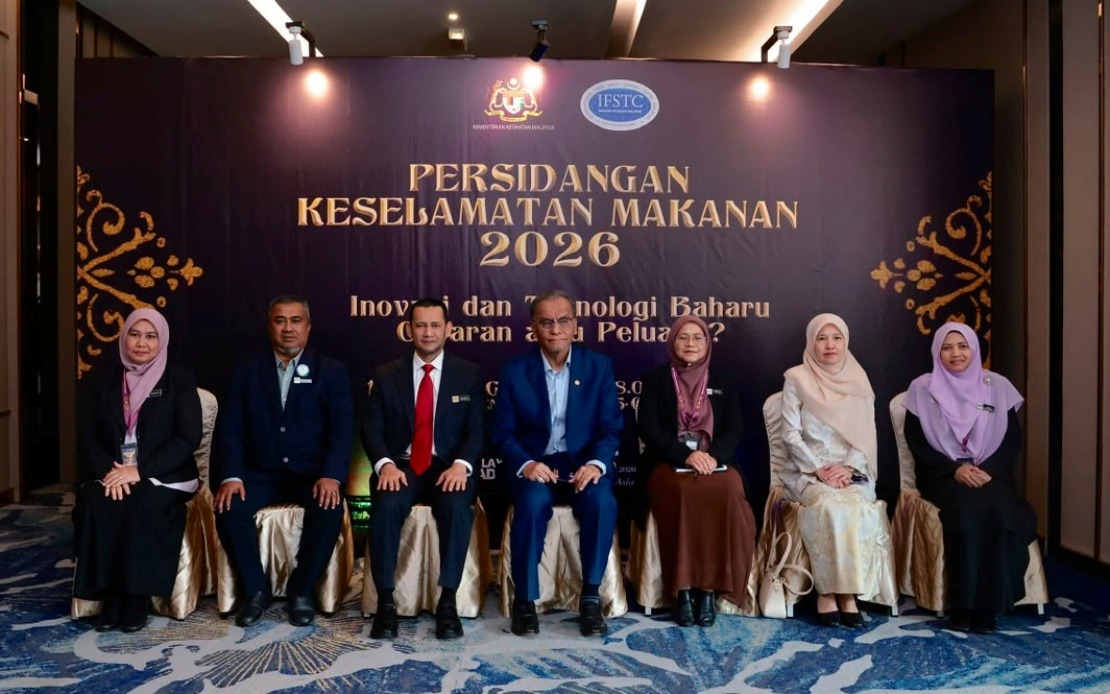
Malaysia has formally joined the Asia-Pacific Food Regulatory Authority Summit, marking a significant step in the nation's efforts to modernise food safety oversight and address the mounting complexity of managing its food supply chains. The Cabinet approved the country's membership in June, with Health Minister Datuk Seri Dr Dzulkefly Ahmad formally signing the accession documents at a ceremony in Putrajaya during the opening of the 2026 Food Safety Conference.
The decision reflects growing concerns about Malaysia's expanding food import bill, which has surged dramatically over the past decade. Annual food imports reached RM78.9 billion in 2023, representing an 85 per cent increase from RM42.6 billion in 2013. This trajectory underscores a fundamental shift in Malaysia's food consumption patterns and supply chain dependencies, with increasingly sophisticated logistics networks spanning multiple countries and regions. The scale of this growth presents both regulatory and security challenges that no single nation can adequately address in isolation.
Dr Dzulkefly framed Malaysia's participation as positioning the country as a regional leader in food safety governance. By joining APFRAS, Malaysia gains a platform to champion digital transformation across Asia-Pacific regulatory frameworks while simultaneously establishing itself as a "Smart Gatekeeper" capable of managing the risks inherent in globalised food systems. This positioning carries strategic weight, as Malaysia's geographical location and established role as a regional trade hub make it a natural centre for coordinating cross-border food safety standards.
The membership directly supports two cornerstone government policies: the National Food Safety Policy and the National Food Security Policy. These frameworks recognise that ensuring safe, secure food supplies requires more than domestic measures. As Dr Dzulkefly noted, much of what Malaysians consume now traverses lengthy and intricate global supply chains involving multiple jurisdictions. A contamination event in a distant supplier nation can rapidly reach Malaysian consumers, making real-time intelligence and coordinated responses essential.
Among the specific initiatives Malaysia will champion through APFRAS is the harmonisation of legislative frameworks governing new food innovations. This is particularly relevant as the food industry increasingly adopts novel ingredients, processing techniques, and alternative proteins. Divergent regulatory approaches across the region create barriers to trade and create confusion for manufacturers. By working toward common standards, Malaysia can facilitate legitimate innovation while protecting consumer safety.
The regulation of biodegradable packaging materials represents another priority area. As environmental consciousness drives demand for sustainable packaging solutions, regulatory clarity becomes crucial. Inconsistent standards across the region could fragment markets or inadvertently allow unsuitable materials to enter the supply chain. Malaysia's involvement in establishing harmonised approaches positions domestic manufacturers to compete effectively while ensuring that sustainability goals do not compromise food safety.
To manage the complexities of its expanded import dependency, the Health Ministry is actively investing in advanced monitoring technologies. Artificial intelligence and predictive analytics are being explored as tools to enhance surveillance capabilities at Malaysia's entry points, from ports to land borders. These technologies can process vast amounts of data from suppliers, shipping records, and regulatory histories to identify potential risks before contaminated products reach shelves. Such proactive intelligence gathering represents a significant evolution from traditional reactive testing methods.
The 2026 Food Safety Conference, which drew over 300 participants, reflects the scale of institutional engagement required to address contemporary food safety challenges. The event's theme, "New Innovations and Technologies – Challenges or Opportunities?", captures the central tension facing regulators worldwide. Emerging technologies in food production offer tremendous potential for efficiency and sustainability, yet they also introduce novel risks that existing regulatory frameworks may not adequately address. The conference provided an arena for practitioners to wrestle with these dilemmas and share evidence-based approaches.
For Malaysian consumers and businesses, the implications are multifaceted. Stronger regional coordination should theoretically improve the safety and reliability of food supplies while reducing regulatory friction for compliant Malaysian exporters. The emphasis on digitalisation and technology-driven monitoring aligns with global best practices and signals Malaysia's commitment to maintaining competitive advantage in an increasingly scrutinised food sector. However, the real test will be implementation—whether the regulatory bodies can translate policy frameworks into effective operational systems.
The regional dimension cannot be overlooked. As ASEAN economies become increasingly integrated through trade agreements and logistics networks, food safety incidents in one country quickly ripple across borders. Malaysia's APFRAS membership enables it to participate in shaping region-wide standards and response protocols, potentially preventing situations where conflicting regulations create vulnerabilities. This is particularly important given Southeast Asia's growing role as a global food production and processing hub.
Looking forward, Malaysia's leadership role in digital food safety governance positions it to influence how the Asia-Pacific region adapts to future challenges. Climate change, emerging pathogens, and supply chain disruptions will continue testing food safety systems. By embracing technological solutions and fostering regional cooperation through APFRAS, Malaysia signals its intent to remain proactive rather than reactive, managing risks before they materialise into public health crises that could undermine consumer confidence and disrupt trade relationships.

