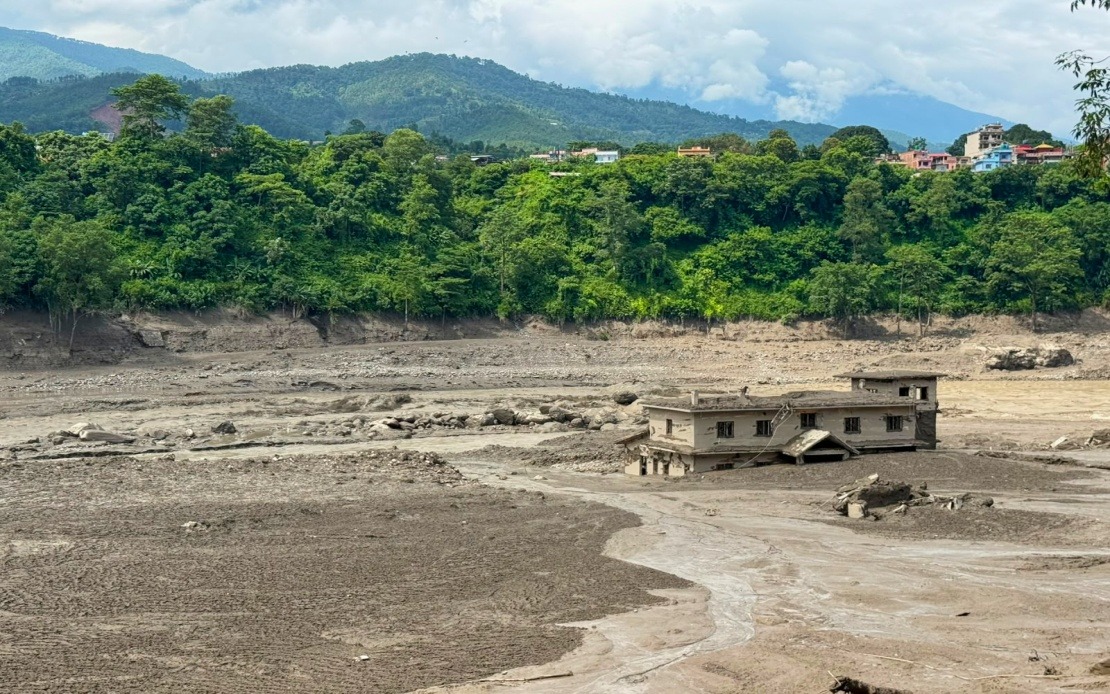
Prime Minister Datuk Seri Anwar Ibrahim has voiced deep concern over the devastating flash floods that struck Rasuwa district in Nepal, as the Malaysian government intensifies its search for 54 nationals who have lost contact following the natural disaster. The crisis has triggered a coordinated diplomatic response that extends beyond Nepal's borders, with officials acknowledging the unprecedented challenges posed by infrastructure collapse in the affected region.
The calamity occurred when torrential rainfall combined with glacier landslides along the Bhote Koshi River overwhelmed the Nepal-Tibet border area, triggering a wave of destruction that has left communication networks severely compromised. The severity of the environmental damage has rendered the main highway connecting the affected zone to Kathmandu essentially impassable, creating a humanitarian bottleneck that has complicated both rescue operations and the gathering of information about missing persons. This geographic isolation represents one of the most significant obstacles facing officials attempting to establish the whereabouts and condition of the missing Malaysians.
In response to the crisis, the Malaysian Embassy in Kathmandu has established direct collaboration with Nepalese authorities and multiple government agencies to coordinate search and rescue efforts. Recognising that local resources may require supplementation, Malaysia has also dispatched personnel from its High Commission in Dhaka, Bangladesh, to strengthen the network of officials working to trace the missing nationals and facilitate communication between Malaysian authorities and those on the ground. This cross-border deployment underscores the seriousness with which the Malaysian government is treating the situation.
Anwar Ibrahim articulated his government's commitment to the recovery operation through a social media statement, emphasising that locating the 54 missing Malaysians and obtaining updates on their condition represented an active and ongoing priority. The Prime Minister characterised the situation as one requiring sustained engagement rather than a passive monitoring arrangement, indicating that diplomatic channels would remain fully activated until each missing person's status could be clarified. His public communication served to reassure families and the broader Malaysian community that the government was treating the matter with appropriate urgency.
The Foreign Ministry has assumed a central coordinating role, maintaining close surveillance of developments in Nepal and standing ready to mobilise additional resources as circumstances dictate. This institutional positioning places Malaysia's diplomatic apparatus at the centre of what has become a multinational response framework, with officials balancing the need for rapid action against the practical constraints imposed by environmental destruction and communication blackouts. The ministry's sustained engagement signals to the affected families that official channels remain focused on their welfare.
The geographical and infrastructural challenges presented by the disaster are substantial. With the primary transport corridor severed and telecommunications networks damaged, the transfer of information from affected communities to coordinating authorities has become painfully slow. Rescue teams face difficulties not only in accessing the disaster zone but also in moving evacuees to medical facilities or secure locations once they are discovered. This combination of factors explains why a significant number of Malaysians remain unaccounted for despite the passage of time since the initial flooding event.
Anwar's appeal for collective prayer from the Malaysian population reflects both the gravity of the situation and the limitations of immediate governmental intervention when natural barriers and infrastructure collapse create extended timelines for rescue and recovery operations. The Prime Minister's invocation of religious sentiment underscored the human stakes involved in the operation, transforming what might otherwise appear to be a bureaucratic coordination effort into a nationally significant moment of solidarity with affected citizens. His framing positioned prayer not as a substitute for action but as a complement to the active government mobilisation already underway.
The incident carries implications for Malaysians travelling to mountainous and climatically vulnerable regions, particularly in Nepal where trekking and mountaineering remain popular pursuits among adventure tourists from Southeast Asia. The Rasuwa district's exposure to extreme weather phenomena and geological hazards represents an ongoing risk factor that Malaysian travellers and tour operators must factor into their planning and risk assessments. The current crisis may prompt renewed discussions about travel advisories and insurance requirements for Malaysian nationals visiting such areas.
Beyond the immediate humanitarian dimension, the flood disaster illustrates the vulnerability of border regions to climate-related disasters and the complex nature of cross-border emergency response. Malaysia's need to engage with Bangladeshi facilities and personnel to assist in coordinating efforts demonstrates how contemporary disaster management often requires multilateral cooperation extending well beyond the directly affected country. This pattern is likely to recur as climate change intensifies extreme weather events across Asia, potentially straining the capacity of individual nations to respond independently.
The government's commitment to maintaining active pursuit of information about missing nationals sets a standard for diplomatic engagement that extends beyond traditional consular services. Malaysian embassy staff are positioned not merely to document casualties or process paperwork but to function as active participants in search operations and information gathering within challenging operational environments. This elevated level of engagement reflects both Malaysia's capacity as a middle-income nation with substantial diplomatic infrastructure and its moral obligation to its citizens regardless of where they find themselves when disaster strikes.
As rescue and recovery operations continue in Nepal, the Malaysian government faces an extended period of uncertainty followed by what may be difficult communications to families depending on outcomes. The coordination framework being established across diplomatic posts in the region will likely need to function for weeks or months as the full picture of what occurred emerges and as survivors are gradually accounted for. The current mobilisation represents both an immediate response and the establishment of infrastructure for sustained engagement with an unfolding humanitarian crisis.

