A devastating flood that struck Nepal's Rasuwa district has prompted immediate diplomatic and humanitarian responses from Malaysia, with the government launching coordinated efforts to locate and assist Malaysian citizens caught in the disaster. The calamity has claimed multiple lives across the affected region, leaving the Malaysian community grappling with uncertainty as rescue and relief operations intensify in the neighbouring country.
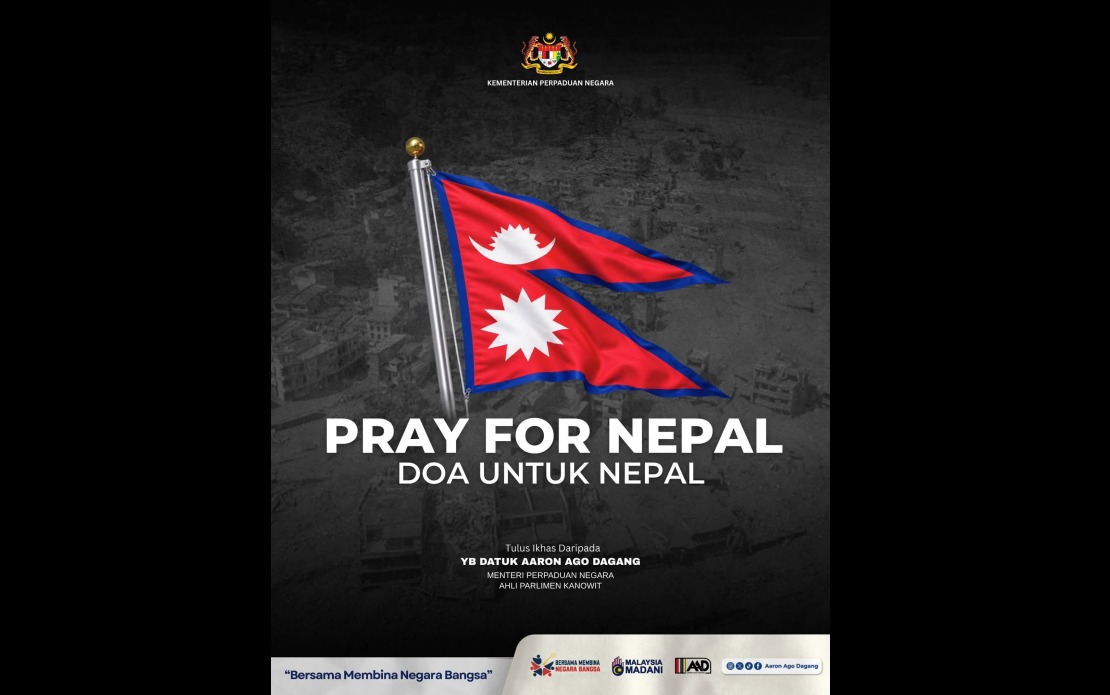
Minister of National Unity Datuk Aaron Ago Dagang conveyed Malaysia's solidarity with Nepal on August 28, publishing a statement of condolence through social media platforms that called upon Malaysians to unite in prayer for the victims and survivors of the disaster. His message reflected the gravity with which the government views the situation, emphasising the importance of collective compassion during times of international crisis. The minister extended his hopes that reconstruction and humanitarian assistance initiatives would proceed without obstruction, recognising the immense challenges that Nepal faces in coordinating such operations amid widespread devastation.
The most pressing concern for Malaysian authorities remains the welfare of 57 citizens who remain unreachable following the flooding event. According to latest information released by the Foreign Ministry as of 11 pm on August 27, this figure represents citizens whose families, friends, and employers have reported them as uncontactable. The data reflects the initial wave of concerns filtering through to Malaysian authorities, though the actual scope of missing or affected nationals may shift as communication infrastructure in the disaster zone stabilises and families manage to re-establish contact with loved ones.
Responding to the magnitude of the crisis, Prime Minister Datuk Seri Anwar Ibrahim issued directives on August 27 instructing all relevant government bodies to activate their emergency protocols. The National Security Council and the Ministry of Foreign Affairs received explicit orders to immediately commence identification and contact-tracing operations for all Malaysians within Nepal's disaster zone. This multi-agency approach signals the government's determination to account for its citizens and provide timely assistance to those in need, particularly those stranded in regions where basic services may have been disrupted.
The Ministry of Foreign Affairs has assumed a central coordinating role in collating reports from multiple sources, including direct family notifications, workplace reports, and community organisations that maintain records of Malaysian residents in Nepal. This triangulated approach helps cross-reference information and identify gaps in knowledge about the whereabouts of missing nationals. The challenge intensifies given that Nepal's communications infrastructure has likely suffered significant damage, complicating rescue operations and contact attempts even as international and local relief agencies mobilise their resources.
For the broader Malaysian diaspora in Nepal, the floods represent a sobering reminder of the vulnerabilities inherent in residing abroad, particularly in regions prone to natural disasters. Nepal's geographical position within the Himalayan region renders it susceptible to monsoon-related flooding and landslides, phenomena that have historically caused substantial loss of life and displacement. Malaysians living in Kathmandu and other urban centres, as well as those engaged in tourism, education, or business activities throughout the country, now find themselves depending on government intervention and international humanitarian networks for assistance.
The disaster also underscores the importance of maintaining robust diplomatic channels and bilateral cooperation mechanisms between Malaysia and Nepal. The swift governmental response demonstrates how established foreign service networks become invaluable conduits for crisis management and citizen protection. The Ministry of Foreign Affairs' ability to rapidly disseminate information and coordinate responses with Nepali authorities reflects years of institutional relationship-building between the two nations, a foundation that proves critical during emergencies that transcend normal diplomatic discourse.
Minister Aaron's emphasis on prayer and spiritual solidarity speaks to the emotional dimension of international crises, where numbers of casualties and missing persons represent real human suffering affecting families both in Nepal and throughout Malaysia. His invocation of collective Malaysian support illustrates how government officials channel national sentiment during moments when citizens abroad face danger, attempting to foster a sense of shared responsibility and unity during uncertain times.
The flood incident also prompts broader considerations about how Malaysia might strengthen its emergency preparedness frameworks for citizens living in disaster-prone regions globally. While immediate rescue and contact operations remain the priority, the government will likely conduct post-crisis reviews to evaluate response times, communication protocols, and the adequacy of support mechanisms available to Malaysians abroad. Such assessments typically inform policy adjustments and resource allocation for future emergencies.
As the situation develops in Nepal, Malaysian authorities continue monitoring reports and maintaining communication with Nepali government agencies and international relief organisations operating in the disaster zone. The coming days will prove critical for establishing clearer information about the status of missing nationals, determining whether contact can be restored with those currently unreachable, and coordinating evacuation or support for any Malaysians requiring assistance to leave affected areas or access medical attention.

