The Malaysian government is maintaining active oversight of three Asian elephants now residing at Tennoji Zoo in Osaka, following their relocation in March as part of a landmark regional conservation initiative. The animals—Dara, Amoi and Kelat—represent a significant commitment to wildlife management cooperation, with the 25-year strategic agreement between Taiping Zoo and Night Safari and the Japanese facility marking an important step in cross-border elephant conservation efforts in Asia.
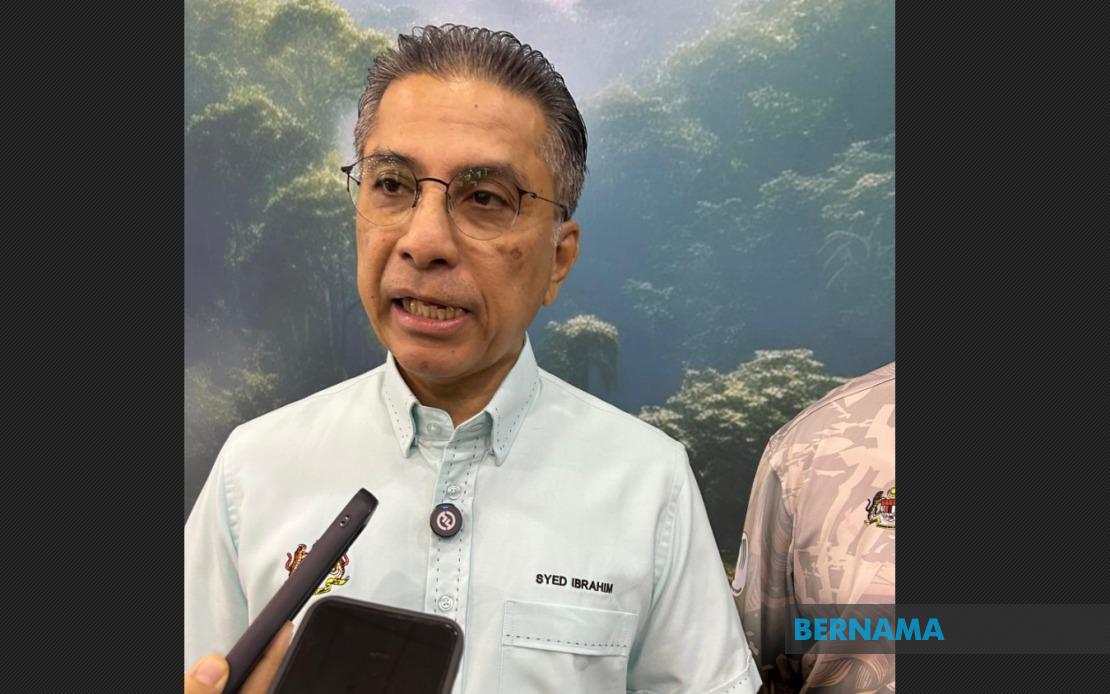
Deputy Minister Syed Ibrahim Syed Noh outlined the comprehensive framework that preceded the elephants' departure, emphasising that the Ministry of Natural Resources and Environmental Sustainability conducted rigorous evaluations before approving the transfer. The Department of Wildlife and National Parks performed detailed physical and psychological assessments to verify that Tennoji Zoo met international standards for elephant management and care. This due diligence reflects Malaysia's commitment to ensuring that any overseas relocation aligns with established animal welfare principles and scientific best practices.
Supporting the transition, Malaysia deployed experienced mahouts—traditional elephant handlers—on a rotating schedule for the initial two-month period following the March arrival. These skilled professionals accompanied the elephants to facilitate their adjustment to the new environment, providing continuity of care during what remains a critical acclimatisation phase. The presence of mahouts familiar with each animal's individual temperament and needs represented a proactive measure to minimise stress during the significant geographical and environmental shift.
Recognising that the acclimatisation process extends well beyond the initial weeks, the Malaysian authorities have maintained their commitment through June by stationing two additional mahouts at Tennoji Zoo. This extended presence, spanning June 1 to June 30, reflects the government's understanding that long-term adaptation requires sustained oversight and intervention. The staggered approach to mahout deployment demonstrates a strategic approach to wildlife relocation that prioritises gradual adjustment over rapid independence.
The transfer arrangement emerged during parliamentary proceedings when Young Syefura Othman raised questions about how the government monitors wild animals sent abroad. The inquiry prompted discussion of Malaysia's existing framework for tracking exported wildlife and the mechanisms employed to safeguard animal welfare across international boundaries. Syed Ibrahim's response indicated that structured monitoring protocols are integral to Malaysia's approach to wildlife diplomacy and conservation partnerships.
Public and civil society organisations have voiced concerns about the elephants' relocation, with some groups calling for their repatriation. However, the Deputy Minister framed the government's position within the broader context of bilateral relations and contractual commitments. Malaysia's priority, according to his statement, centres on ensuring that the cooperation programme operates according to established facts and legal frameworks while maintaining the diplomatic relationship with Japan. This balancing act reflects the complex intersections between animal welfare advocacy, international relations, and formal agreements.
Regarding independent monitoring, the government indicated willingness to facilitate visits by observers or non-governmental organisations to assess the elephants' condition, though such arrangements would require mutual agreement between both institutions involved in the partnership. This conditional openness suggests recognition of legitimate public interest in animal welfare while respecting the contractual and diplomatic constraints governing the arrangement. The possibility of third-party observation could provide assurance to conservation advocates concerned about long-term welfare.
The discussion also touched upon historical concerns regarding Malaysia's elephant export record. Some groups cited figures suggesting that 19 elephants previously sent overseas had been lost or unaccounted for, raising questions about the government's track record in wildlife relocation. However, Syed Ibrahim clarified that such figures represented unofficial estimates. According to official Perhilitan records, only 10 elephants have been exported internationally since 1977—a substantially lower figure that nonetheless indicates a pattern of overseas wildlife transfers spanning multiple decades.
This distinction between unofficial claims and official documentation underscores the importance of transparent record-keeping in wildlife management. The relatively small number of documented exports over a 45-year period suggests that large-scale elephant relocation has not been a routine practice, though the visibility of high-profile cases like the Tennoji Zoo arrangement means public scrutiny remains significant. For Malaysian observers concerned about animal welfare in international settings, access to complete and transparent records remains essential for informed public discourse.
The Tennoji Zoo arrangement represents a contemporary example of how Malaysia engages with international conservation cooperation, balancing scientific collaboration with welfare considerations and diplomatic relationships. The partnership with a major Japanese facility reflects broader regional trends toward collaborative wildlife management rather than unilateral action. As the initial acclimatisation phase progresses through June and beyond, the three elephants' experience will likely influence Malaysia's approach to future international conservation partnerships.

