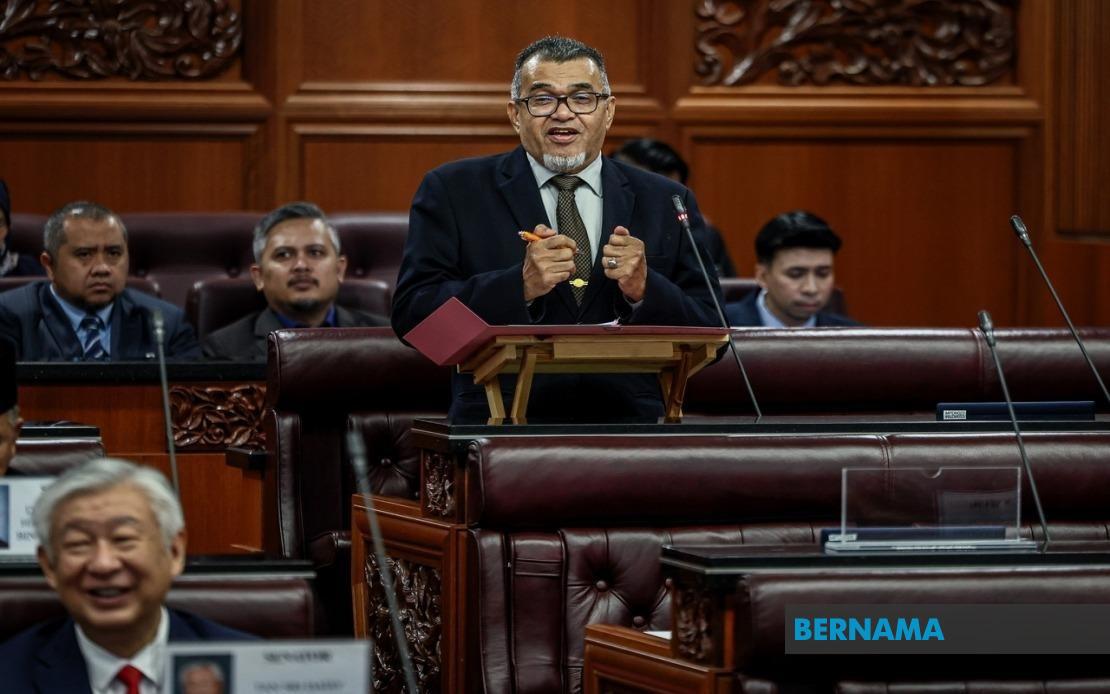
Malaysia's transport ministry is preparing sweeping legislative changes aimed at curbing a surge in railway cable theft that has inflicted RM50 million in cumulative losses across the country's major rail networks. Deputy Transport Minister Datuk Hasbi Habibollah announced on Wednesday that the government is finalising amendments to the rail transport law, which would introduce fines reaching RM100,000 for each offence—a hundred-fold jump from existing penalties. The proposal is expected to reach Parliament by the end of the year, representing one of the most aggressive legislative responses to the persistent infrastructure crime plaguing Malaysia's transport sector.
The decision to dramatically increase financial penalties reflects growing frustration with the inadequacy of current deterrents. Hasbi argued during questioning in the Dewan Negara that existing fines of RM1,000 are grossly disproportionate to the damage and operational disruptions that rail operators must absorb. The ministry contends that only harsher legal consequences can effectively deter criminals who view cable theft as a low-risk, potentially lucrative enterprise. This legislative toughening follows years of mounting losses that have prompted stakeholders across Malaysia's rail infrastructure to demand stronger government intervention.
The scale of the problem extends across multiple networks and remains remarkably persistent despite various remedial efforts. Data presented by Hasbi reveals that the East Coast Rail Link project alone has suffered 71 cable theft incidents since its construction began, resulting in losses totalling RM4.06 million. Additional thefts and damage to equipment and related materials along the ECRL have added another RM0.69 million in losses, bringing the project's total exposure to RM4.75 million. While the ECRL remains in the construction phase and has not yet commenced commercial operations, these incidents pose serious risks to the project's timeline and its ability to meet scheduled milestones for installation, testing, commissioning, and operational readiness.
The broader network situation is even more alarming when considering the combined impact across all three major systems. Keretapi Tanah Melayu Berhad and Prasarana Malaysia Berhad have separately recorded significant theft losses that, together with ECRL damage, account for the RM50 million total figure. These losses represent not merely financial setbacks for operators but tangible disruptions to millions of Malaysian commuters who depend on reliable rail services. Consecutive theft incidents have caused train delays, service cancellations, and operational inefficiencies that ripple through the transport ecosystem and undermine public confidence in rail infrastructure investment.
In tandem with the legislative initiative, the government has announced a multi-faceted security enhancement programme designed to make cable theft physically more difficult and more likely to result in criminal apprehension. The transport ministry is installing 1,146 closed-circuit television cameras distributed along railway lines running from Johor northward, creating a surveillance network intended to deter thieves and provide evidence for prosecution. This investment represents a substantial commitment to technological deterrence and reflects the recognition that legislative penalties must be paired with on-ground enforcement capacity if the strategy is to succeed.
Complementing the CCTV deployment, Keretapi Tanah Melayu has procured 20 scrambler motorcycles to equip the Auxiliary Police, enabling enhanced 24-hour patrol coverage of vulnerable railway sections. The motorcycles are designed to provide rapid response capability and visible deterrence along extensive rail corridors. Beyond motorised patrols, operators are implementing physical security measures including the closure of high-security access points such as vulnerable manholes, and deploying specially trained sniffer dogs—K9 units—to detect and apprehend suspects attempting to breach secured areas. These layered approaches represent an attempt to create an integrated defence system combining prevention, detection, and rapid response.
The legislative proposal arrives at a critical juncture for Malaysia's rail expansion ambitions. The ECRL project, a cornerstone of infrastructure development connecting Kunming to Port Klang, has already faced delays and cost pressures from various sources. Cable theft, if unchecked, threatens to compound these challenges by disrupting construction schedules and forcing operators to divert resources toward security rather than advancement. The new legal framework signals that the government views this threat with sufficient seriousness to warrant extraordinary legislative action, even as the project remains under construction.
For commuters and operators alike, the proposed RM100,000 fine structure carries symbolic importance beyond its monetary value. Current penalties, which have remained static despite rising inflation and material costs, effectively treat cable theft as a minor transgression. The new framework would position such theft on a par with serious economic crimes, signalling societal disapproval and aligning punishment with actual harm inflicted. This recalibration reflects a broader policy shift toward treating infrastructure crime with greater severity, particularly given Malaysia's substantial ongoing investment in expanding and modernising rail capacity.
The timeline for legislative passage remains slightly uncertain, though Hasbi expressed confidence that amendments would be tabled during the next parliamentary session. The government's determination to fast-track the measure suggests that pressure from operators and commuter advocacy groups has overcome typical legislative scheduling constraints. Should the amendments pass, Malaysia will join a growing number of jurisdictions worldwide implementing harsher penalties for critical infrastructure theft, particularly as cable containing valuable metals becomes an increasingly attractive target for organised criminal networks.
Regionally, Malaysia's approach may influence policy discussions in other Southeast Asian nations grappling with similar rail infrastructure challenges. As the region develops extensive rail networks connecting major economic centres, cable theft and related infrastructure crime will likely become increasingly common problems. The Malaysian experience, if the new framework proves effective at reducing incidents, could serve as a template for neighbouring countries considering how to balance operational security with proportionate legal consequences for those targeting public transport systems.

