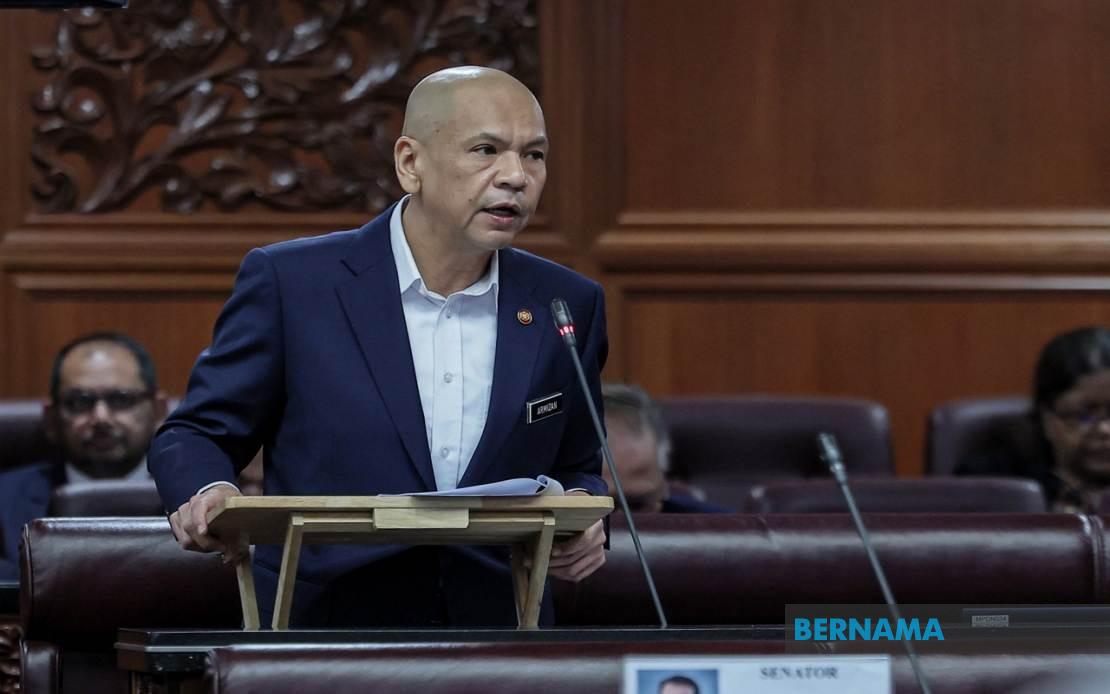
Parliament has taken a significant step towards modernising Malaysia's competition framework with the tabling of two amendment bills that would substantially expand regulatory reach and enforcement capabilities. Domestic Trade and Cost of Living Minister Datuk Armizan Mohd Ali presented both the Competition (Amendment) Bill 2026 and the Competition Commission (Amendment) Bill 2026 for first reading in the Dewan Rakyat, with both measures expected to advance to second reading during the current sitting. The dual approach signals the government's determination to address perceived gaps in current competition legislation and equip the Malaysia Competition Commission (MyCC) with more robust tools to combat anti-competitive behaviour in an increasingly complex economy.
The cornerstone of the first amendment bill is a fundamental expansion of the Competition Act 2010's scope, moving from the narrower definition of "commercial activities" to encompassing all forms of economic activity. This shift carries substantial implications for Malaysian businesses and consumers alike, as it would potentially bring previously exempt sectors under MyCC's jurisdiction. The move reflects growing recognition that competition law must adapt to modern economic realities where services, digital platforms, and government-linked enterprises play outsized roles. By broadening the definitional framework, lawmakers aim to close loopholes that sophisticated operators might otherwise exploit to escape scrutiny.
Enhancing MyCC's investigative and enforcement machinery represents another critical dimension of the reform package. The bills propose to strengthen the commission's existing powers while introducing new mechanisms to facilitate fact-finding. Clause 7 of the Competition (Amendment) Bill 2026 would grant MyCC authority to request information or documents from any individual or government entity conducting market reviews, a provision that removes ambiguity around the commission's access to data held by public sector agencies. For Malaysian businesses operating across multiple jurisdictions or dealing with government suppliers, this development underscores the importance of robust compliance programmes and transparent record-keeping practices.
The proposed amendments specifically address the enforcement challenge of data tampering and obstruction. New offence provisions would criminalise the intentional destruction, concealment, defacement, or alteration of materials designed to impede MyCC's investigations. This measure targets sophisticated evasion tactics where companies attempt to conceal evidence of collusion, price-fixing, or other violations. The inclusion of such provisions reflects lessons learned from international enforcement cases where destruction of records has hindered prosecutions. For Malaysian companies engaged in cross-border commerce, understanding these enhanced expectations around document preservation has become essential risk management.
Decision-making reforms within MyCC itself feature prominently in the legislative package, suggesting that procedural bottlenecks have frustrated enforcement efforts in recent years. The amendments seek to streamline how the commission reaches determinations, potentially accelerating the resolution of competition cases that can otherwise drag through proceedings for extended periods. Combined with improvements to the Competition Appeal Tribunal framework, these procedural enhancements should provide greater certainty for businesses awaiting commission determinations while ensuring that remedial action can be implemented more expeditiously when violations are established.
The Competition Commission (Amendment) Bill 2026 introduces subtle but significant refinements to MyCC's advisory role and internal governance. Clause 8 explicitly clarifies the commission's mandate to counsel the government, public authorities, and regulatory bodies on competition policy matters, a clarification that formalises what MyCC may have been doing informally. This explicit codification should enhance policy coherence across the regulatory landscape, ensuring that competition considerations inform decisions by other agencies ranging from telecommunications regulators to defence procurement authorities. For multinational corporations with interests in multiple regulated sectors, this expanded advisory role promises more consistent competition thinking across government.
Internal governance arrangements have also drawn the reformers' attention, particularly regarding officer appointments. The proposal that MyCC itself appoint its officers upon recommendation by the chief executive officer addresses concerns about political interference or external pressure influencing staffing decisions. Such insulation theoretically strengthens the commission's independence and professional integrity, factors that bolster confidence in enforcement outcomes among market participants. Regional competition authorities increasingly recognise that perceived impartiality directly impacts compliance incentives, as companies are more likely to accept unfavourable determinations from agencies viewed as professional and objective rather than politically influenced.
The delegation provisions in Clause 10 represent a pragmatic recognition that effective competition enforcement requires operational flexibility. By permitting MyCC to delegate functions to its chairman, committees, officers, and employees, the amendment facilitates more agile responses to emerging competition issues. This is particularly relevant given the growing complexity of digital markets and technology-driven competition concerns that demand rapid assessment and decisive action. The structure allows the commission to mobilise specialist expertise quickly without requiring constant board-level approvals for routine investigative steps.
From a Southeast Asian perspective, Malaysia's competition law evolution mirrors broader regional trends toward strengthened merger control, cartel prosecution, and sectoral deregulation oversight. The Philippines, Indonesia, and Thailand have all recently expanded their competition authorities' powers, suggesting a region-wide movement toward more aggressive enforcement. Companies with operations across multiple ASEAN economies must now navigate increasingly sophisticated and coordinated compliance requirements. The Malaysian amendments, while domestically focused, contribute to a thickening web of competition obligations that raise operational costs for regional players but ultimately protect consumers and legitimate competitors from predatory practices.
The timing of these amendments reflects practical enforcement experience accumulated by MyCC over the past fifteen years of operation. Rather than wholesale legislative overhaul, the bills represent targeted refinements addressing specific enforcement challenges and identified procedural inefficiencies. This incremental approach, informed by real-world experience, should prove more effective than sweeping reforms that sometimes introduce unintended consequences. Malaysian businesses should view these amendments not as punishment but as clarification and modernisation of rules that will increasingly shape competitive dynamics in the Malaysian economy. Those with robust competition compliance programmes should find the new framework familiar territory, while those relying on legal grey areas may face heightened exposure.

