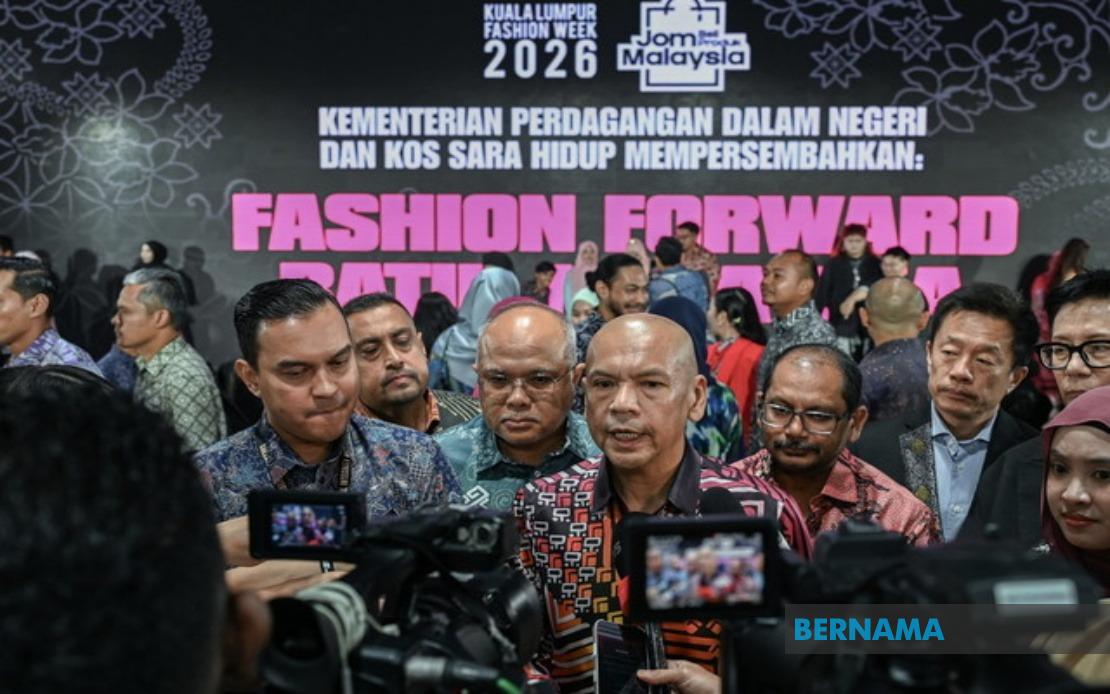
The Malaysian government is casting a wider net for industry input as it seeks to strengthen policies promoting the use and purchase of domestically produced goods. Domestic Trade and Cost of Living Minister Datuk Armizan Mohd Ali has opened channels for stakeholders across various sectors to submit proposals and recommendations directly to his ministry and relevant agencies. These submissions will feed into deliberations by the Cabinet Committee to empower the use and purchase of local products, which is preparing to convene its inaugural meeting in the coming weeks. The move signals recognition that effective policy-making requires genuine collaboration between government bodies and the commercial ecosystem that will ultimately implement these strategies.
Armizan emphasised that this consultative approach represents a fundamental shift in how government coordinates efforts to boost domestic industries. Rather than operating independently, different ministries and agencies will now work in tandem under the committee's oversight to align their initiatives and eliminate duplicative or contradictory measures. This integrated framework is designed to create a coherent national strategy that resonates with actual business needs and market realities, particularly as local enterprises face intensifying competition from imported alternatives. The minister made these remarks following his attendance at the Fashion Forward Batik segment of the Kuala Lumpur Fashion Week 2026, highlighting the government's commitment to showcasing Malaysian creative industries on prominent platforms.
Established in July, the Cabinet Committee is chaired by Deputy Prime Minister Datuk Seri Fadillah Yusof, with the Domestic Trade Ministry serving as its administrative secretariat. The committee brings together a broad coalition of government bodies including the Ministry of Economy, the Ministry of Investment, Trade and Industry, the Ministry of Tourism, Arts and Culture, the Ministry of Entrepreneur Development and Cooperatives, the Finance Ministry, and various supporting agencies. This multi-ministerial composition reflects the complex, cross-cutting nature of supporting local industry development. Economic growth rooted in domestic production requires simultaneous attention to entrepreneurship development, export promotion, cultural branding, investment attraction, and fiscal policy—domains that traditionally operated under separate government jurisdictions.
The underlying motivation for this coordinated push stems from persistent concerns among Malaysian business operators regarding the volume and velocity of foreign products flooding domestic markets. This influx extends across traditional retail channels and increasingly through e-commerce platforms, where imported goods can undercut local producers on price and reach consumers with minimal friction. Small and medium-sized enterprises, particularly those in labour-intensive sectors such as textiles and handicrafts, have expressed anxiety about their long-term viability in a market saturated with cheaper foreign alternatives. The committee framework aims to address these grievances through integrated policy interventions rather than isolated measures that lack supporting mechanisms in complementary policy areas.
The overarching objectives of the committee are threefold: reducing national dependence on imported products, amplifying the contribution of local goods to Malaysia's economic growth, and providing tangible support to domestic entrepreneurs navigating an increasingly challenging competitive environment. These goals carry particular weight in Southeast Asia, where supply chain resilience and economic sovereignty have gained political salience since the COVID-19 pandemic disrupted global trade flows. For Malaysia specifically, a stronger domestic manufacturing and creative sector could generate employment, retain value-added production within the country, and strengthen the ringgit through improved trade balances. Additionally, empowering local entrepreneurs aligns with broader development objectives of fostering inclusive growth and preventing economic concentration in the hands of large, often foreign-owned corporations.
The government has already begun leveraging high-profile cultural events to promote Malaysian products internationally. The Kuala Lumpur Fashion Week represents a strategic partnership between the Domestic Trade Ministry and KLFW organisers as part of the Jom Beli Produk Malaysia movement, a public-facing campaign designed to galvanise consumer preference for locally made items. The previous edition of KLFW generated USD32 million in media value, demonstrating the international reach and influence that strategic cultural events can generate for national branding purposes. Batik, in particular, represents a product category with deep cultural significance, established global recognition, and substantial export potential. By positioning batik and other traditional Malaysian crafts within contemporary fashion frameworks, the government aims to expand market access for these goods beyond domestic consumers to international buyers seeking authentic, culturally distinctive products.
The emphasis on cultural and creative industries carries significant economic implications for Malaysia. According to the 2024 Cultural and Creative Satellite Account Report, this sector contributed RM130.7 billion to gross domestic product, representing 6.8 per cent of total GDP. This substantial contribution underscores the strategic importance of supporting creative enterprises, many of which are small or medium-sized operations reliant on government support mechanisms for market access and international promotion. The fashion and textile industries, encompassing both traditional batik production and contemporary fashion design, represent a particularly promising avenue for value-added growth, particularly as global consumers increasingly seek ethically produced, culturally meaningful goods over mass-manufactured alternatives.
For Malaysian consumers and businesses, the implications of this coordinated government approach are mixed but largely constructive. Enhanced protections or preferences for local products could increase prices in the short term, as domestic producers may have higher production costs than foreign competitors benefiting from economies of scale. However, proponents argue that stronger local industries create long-term economic resilience, employment stability, and opportunities for entrepreneurial ventures that can generate wealth within Malaysian communities rather than transferring profits abroad. The success of these initiatives ultimately depends on the quality and competitiveness of Malaysian products relative to international alternatives—mere preferential policies cannot sustain industries producing inferior goods at premium prices.
The invitation for stakeholder feedback represents an opportunity for businesses, industry associations, and civil society organisations to shape the emerging policy framework. Entrepreneurs can submit proposals addressing barriers to local product competitiveness, such as access to financing, technology transfer, market information, export logistics, and intellectual property protection. Consumer advocates might contribute perspectives on pricing, quality standards, and transparency in product labelling. Industry associations can offer insights into sector-specific challenges and opportunities. This bottom-up dimension complements the top-down policy design process and increases the likelihood that implemented strategies will prove effective and sustainable. The deadline and submission mechanisms for stakeholder input have not been publicly detailed, suggesting that organisations and individuals should contact the Domestic Trade Ministry directly to participate in this consultative process.

