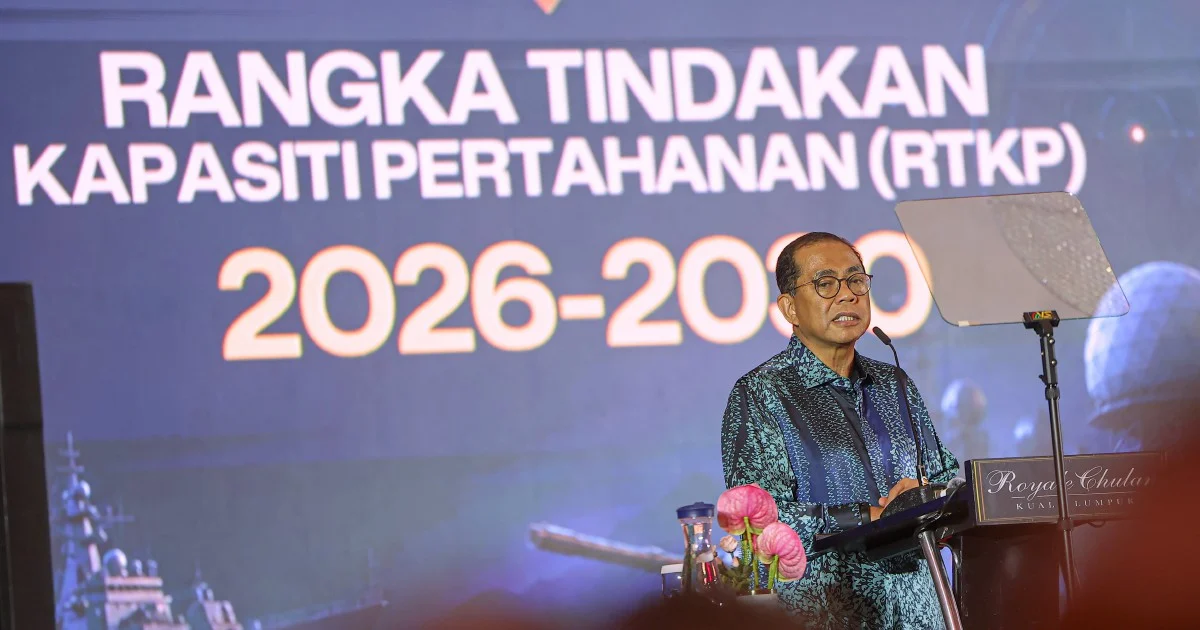
Malaysia's Defence Ministry has signalled its readiness to handle the diplomatic and technical complications arising from Norway's decision to revoke a missile supply contract connected to the nation's ongoing Littoral Combat Ship project. Defence Minister Datuk Seri Mohamed Khaled Nordin made the declaration in Kuala Lumpur, underscoring the government's commitment to finding workable solutions despite the setback. The Norwegian move represents another complication for Malaysia's long-running naval acquisition programme, which has already faced significant delays and budget overruns since its inception.
The LCS project has emerged as one of Malaysia's most scrutinised defence expenditures, with the three ships originally valued at approximately 9 billion Malaysian ringgit. The missile system supplied by Norway was intended to bolster the combat capabilities of these vessels, which remain under construction. Norway's withdrawal from the arrangement raises important questions about alternative procurement pathways and whether Malaysia will need to source similar weaponry from other suppliers.
The cancellation by the Nordic nation introduces complexity into Malaysia's maritime defence modernisation strategy at a time when regional security dynamics are shifting. Southeast Asian naval capabilities have become increasingly significant given growing geopolitical tensions in the South China Sea and heightened international attention on freedom of navigation. Malaysia's ability to maintain credible maritime defence infrastructure is viewed as essential to its broader strategic interests in these contested waters.
From a technical standpoint, the removal of the Norwegian missile component necessitates Malaysia to identify replacement systems that meet equivalent performance standards whilst maintaining compatibility with the LCS platform. This process typically involves extensive evaluation periods, negotiations with manufacturers, and potentially additional financial commitments. The government's public statement about resolving the matter suggests officials are already exploring alternative suppliers, possibly within existing defence partnerships or through new procurement channels.
Diplomatic considerations also factor significantly into this situation. Norway, a NATO member, may have faced pressure from allied nations or been prompted by its own policy reviews to reassess weapons sales to non-aligned countries. Malaysia's response to this cancellation will inevitably influence how other potential defence partners perceive the nation's reliability as a buyer, particularly regarding long-term commitment to joint programmes. The Defence Minister's measured acknowledgement of the challenge reflects awareness that this issue extends beyond purely technical dimensions.
The LCS programme itself has weathered numerous controversies since the government initiated the project in 2013. Original delivery timelines have been repeatedly extended, and questions about design specifications, construction timelines, and overall project management have dogged the initiative. Additional complications such as this Norwegian missile withdrawal compound existing concerns about whether Malaysia will ultimately acquire vessels that meet contemporary naval standards and budgetary constraints.
Defence acquisition across Southeast Asia remains subject to geopolitical currents and shifting international priorities. Countries in the region frequently encounter supply chain disruptions or contractual reconfigurations when dealing with external suppliers. Malaysia's experience with the LCS missile deal demonstrates how interconnected global defence markets can create unexpected obstacles for even straightforward procurement arrangements. The Defence Ministry's approach to resolving this situation may establish precedents for how Malaysia navigates similar complications in the future.
Economic implications deserve attention as well. If Malaysia requires alternative missile systems, additional expenditure may be necessary depending on market availability and pricing. The government will need to evaluate whether shifting to different suppliers offers better value or if existing budget allocations require recalibration. Such decisions carry implications not only for the LCS project but for broader defence spending priorities competing for resources within Malaysia's overall budget.
Regional observers will closely monitor how the Malaysian government addresses this development. The successful resolution of the Norwegian missile cancellation could demonstrate effective crisis management in defence procurement, whilst protracted disputes might reinforce perceptions of mismanagement that have already attached themselves to the LCS programme. The Defence Ministry's willingness to engage constructively with this challenge suggests officials recognise the reputational dimensions at stake beyond the immediate technical problem.

