Malaysia is intensifying efforts to break through trade barriers that have constrained its agricultural exports to Thailand, particularly the nine-year-old restrictions on shrimp shipments that have frustrated domestic producers since 2017. Agriculture and Food Security Minister Datuk Seri Mohamad Sabu revealed that senior government officials, including Prime Minister Datuk Seri Anwar Ibrahim, are directly engaged in resolving these longstanding disputes during high-level policy meetings focused on strengthening national food security.
The bilateral agricultural trade tensions extend beyond shrimp. Malaysia is also pursuing market access approval for its livestock products in Thailand, an application that has remained pending throughout 2024 and into 2026. Simultaneously, Thai authorities have implemented their own import restrictions on shrimp arriving in Malaysia, measures that took effect on June 1 and represent a reciprocal escalation in trade friction between the two neighbouring nations. These overlapping restrictions underscore the complexity of agricultural commerce in Southeast Asia, where food security concerns often collide with protectionist trade practices.
The broader context of these negotiations involves Malaysia's critical vulnerability to environmental shocks. The government has acknowledged the mounting pressures from El Niño patterns and longer-term climate change, which threaten to extend drought periods across the region and jeopardise domestic food production. In this challenging environment, maintaining and expanding access to regional trading partners becomes strategically vital for ensuring adequate food supplies and maintaining farmer incomes.
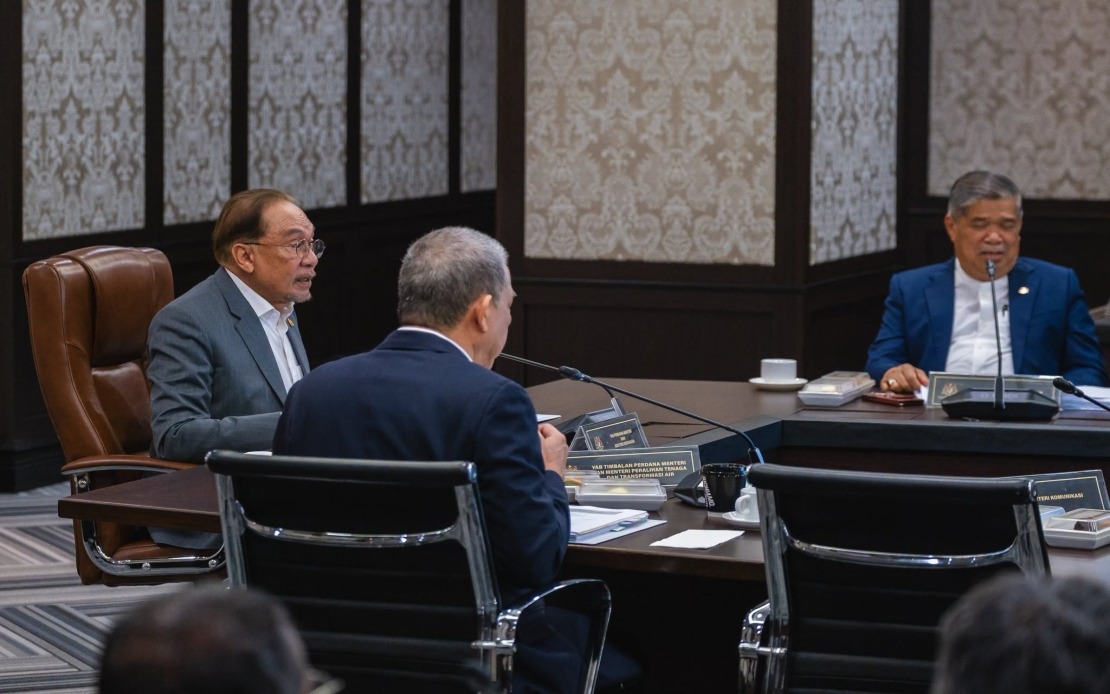
The National Food Security Council meeting, convened under Prime Minister Anwar Ibrahim's chairmanship, served as the venue for comprehensive discussions about agricultural trade and domestic resilience. Beyond the Thailand negotiations, officials examined Thailand's strict inspection regimes applied to Malaysian barramundi (siakap) exports, another non-tariff barrier that effectively limits market opportunities for local producers. The multiplicity of barriers—from outright import quotas to stringent phytosanitary and safety standards—reflects the sophisticated mechanisms through which food-producing nations protect domestic markets while maintaining the appearance of open trade.
Minister Mohamad emphasised that the Ministry of Agriculture and Food Security has developed comprehensive strategies to help farmers and agribusiness operators navigate these challenges. The ministry's response encompasses prevention measures against climate-related production failures, adaptation strategies to changing environmental conditions, and protective mechanisms to shield the sector from external shocks. These interventions acknowledge that resolving trade disputes alone cannot address the fundamental vulnerability of Malaysian agriculture to climatic volatility and global supply chain disruptions.
Policymakers are also exploring structural solutions to reduce Thailand dependency through alternative protein production development. The council discussed feasibility assessments for expanding Malaysia's capacity to produce non-traditional protein sources, a move that could reduce reliance on conventional livestock and seafood exports while potentially creating new market opportunities. This strategic diversification aligns with global trends toward sustainable protein production and addresses domestic nutritional security simultaneously.
Enhancing the competitiveness of Malaysian agriculture emerged as another priority. Officials recognise that gaining market access is only half the battle; Malaysian producers must also demonstrate quality, consistency, and cost-efficiency to sustain exports in competitive regional markets. Strengthening the operational capacity of the Malaysian Fisheries Development Authority's infrastructure, particularly slipway services, represents an investment in the practical foundations of export competitiveness.
The government has scheduled the Malaysian Agriculture, Horticulture and Agro-tourism Exhibition (MAHA 2026) for August 28 to September 6 at the Malaysian Agricultural Expo Park in Serdang. This biennial showcase traditionally serves as the nation's principal platform for displaying agricultural innovations and connecting producers with buyers and policymakers. In the context of current trade tensions, MAHA 2026 takes on heightened significance as an opportunity to promote Malaysian agricultural quality and capabilities to international partners.
Minister Mohamad framed food security as a national imperative demanding coordinated action across government, industry, and research sectors. He argued that Malaysia's resilience in addressing global challenges depends on implementing integrated strategies that transcend individual ministry mandates. This rhetorical positioning suggests the government views agricultural trade disputes not merely as commercial inconveniences but as potential threats to national food sufficiency and economic stability.
For Malaysian agribusiness stakeholders, these high-level negotiations carry immediate practical implications. Shrimp farmers have endured nearly a decade of restricted market access, while livestock producers face continued uncertainty regarding Thailand's import approval process. The visibility given to these issues at the National Food Security Council indicates political commitment to resolution, though the timeline remains unclear given that previous attempts have not yet yielded breakthroughs.
Regionally, Malaysia's push to resolve these disputes reflects broader Southeast Asian tensions over agricultural protectionism within an increasingly integrated market. Thailand, like other ASEAN neighbours, balances commitments to regional economic integration against domestic agricultural lobbying and food safety concerns. Malaysia's willingness to engage at the highest governmental levels suggests recognition that bilateral trade normalisation requires sustained political will and potentially reciprocal concessions across multiple agricultural product categories.
The interconnection between climate resilience, trade access, and food security articulated by Malaysian officials reflects sophisticated understanding of how global food systems operate under stress. As climate change increasingly threatens production across Southeast Asia, nations face intensifying pressures to secure adequate food supplies, creating potential for both greater cooperation and heightened trade protectionism. Malaysia's strategy of pursuing both external market access and internal production diversification represents prudent hedging against an uncertain future.
Moving forward, Malaysian officials must navigate the delicate balance between asserting legitimate food security interests and maintaining regional relationships essential for broader economic cooperation. Success in resolving the Thailand disputes could demonstrate Malaysia's diplomatic capacity while providing tangible benefits to export-dependent agricultural sectors. Failure would reinforce perceptions of agricultural stagnation and regional isolation, undermining farmer confidence in government support.

