Malaysia has achieved a major milestone in protecting pilgrims by recording zero cases of haj and Badal haj scams throughout the 1447H/2026 season. The accomplishment reflects the effectiveness of an integrated enforcement strategy developed by multiple government agencies working in tandem to eliminate fraudulent haj package offerings that have historically preyed on unsuspecting Muslims seeking to undertake the sacred pilgrimage.
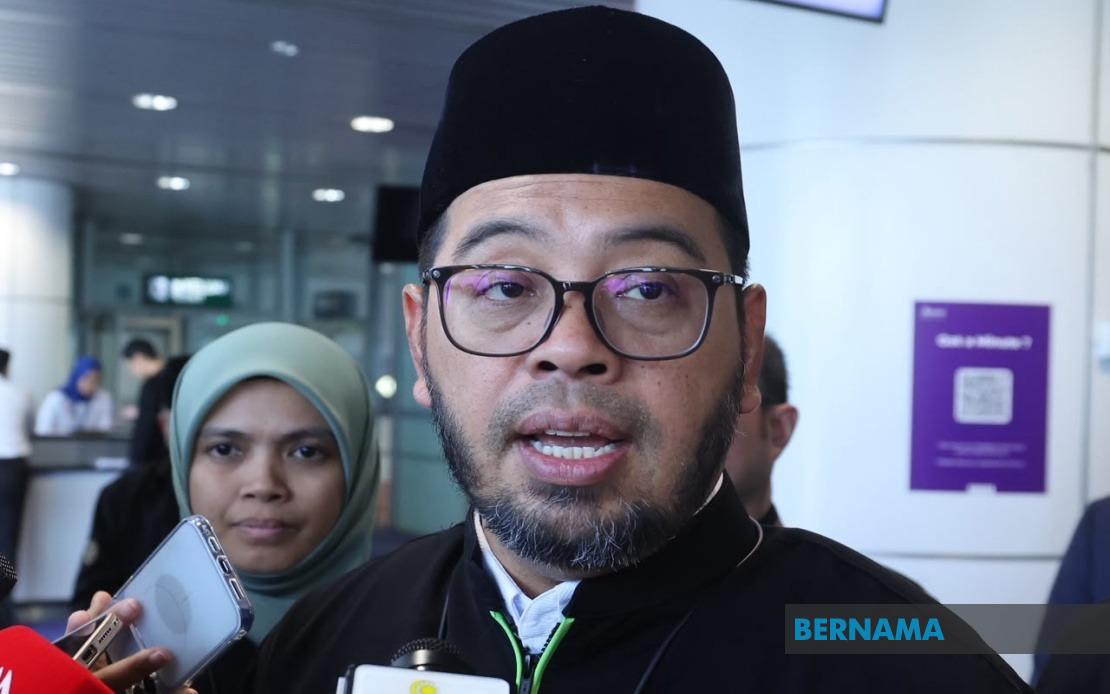
Dr Zulkifli Hasan, who holds the position of Minister in the Prime Minister's Department (Religious Affairs), announced the achievement following the arrival of the final flight carrying Malaysian pilgrims back from the Holy Land. The minister attributed the success to the seamless collaboration between Tabung Haji, Malaysia's dedicated haj management agency, the Royal Malaysia Police, and other relevant authorities who maintained vigilance throughout the entire season. This multi-agency approach proved instrumental in dismantling potential scam networks before they could victimise pilgrims.
The enforcement strategy employed both conventional and modern surveillance techniques to intercept fraudsters. Physical monitoring operations at Kuala Lumpur International Airport provided on-the-ground intelligence gathering capabilities, enabling authorities to identify suspicious activities during the departure and arrival of pilgrims. Simultaneously, digital surveillance on social media platforms allowed agencies to track online scams and fraudulent advertisements targeting prospective haj pilgrims, a particularly effective approach given the prevalence of such schemes on messaging applications and social networks.
The zero-scam achievement represents a substantial improvement in consumer protection within Malaysia's religious tourism sector. In previous years, scammers exploited the emotional significance of the haj pilgrimage and the complexity of arrangements to defraud hopeful pilgrims of significant sums. By successfully preventing such crimes during the 2026 season, authorities have demonstrated that coordinated, proactive enforcement can effectively deter and eliminate organised scam operations targeting vulnerable populations.
Beyond fraud prevention, Tabung Haji implemented several administrative reforms that enhanced the overall haj experience for Malaysian pilgrims. The organisation achieved a notable reduction in its deferment rate, declining from 50 per cent in the previous year to just 18 per cent during the 2026 season. This improvement resulted from proactive engagement with prospective pilgrims, including early notifications about haj offers and continuous preparation campaigns designed to equip pilgrims with necessary information and documentation well in advance of their journeys.
The final haj flight of the season transported 258 pilgrims from Madinah to Kuala Lumpur International Airport aboard Malaysia Airlines flight MH 8385, arriving at 12.10 pm local time. The successful completion of all repatriation flights underscored the operational efficiency maintained throughout the entire season, with coordinated transportation logistics ensuring the safe and timely return of all Malaysian pilgrims.
The achievement carries significant implications for Malaysia's standing as a Muslim-majority nation managing the pilgrimage process. Eliminating scams enhances public confidence in official haj management structures and encourages greater participation in the legitimate Tabung Haji system. For pilgrims themselves, the enforcement success means reduced personal financial risk and greater assurance that their haj arrangements are legitimate and properly regulated. This builds trust in government institutions responsible for facilitating one of Islam's five pillars.
Tabung Haji Chairman Tan Sri Abdul Rashid Hussain and Deputy Minister Marhamah Rosli were present during the welcome ceremony for returning pilgrims, symbolising the government's commitment to prioritising haj management and pilgrimage security as a core policy objective. The visible leadership engagement sends a clear message to potential scammers that haj fraud remains a serious enforcement priority with sustained political backing.
The reduction in deferment rates simultaneously addressed a longstanding problem affecting haj administration. High deferment numbers had previously strained the haj waiting list system and created opportunities for unofficial intermediaries to exploit pilgrims desperate to complete their pilgrimage. By improving communications and preparation processes, Tabung Haji reduced barriers to pilgrimage completion, thereby narrowing pathways through which scammers could insert themselves into the process.
Looking forward, the successful 2026 season provides a template for sustaining zero-scam performance in future haj cycles. The integrated approach combining airport security, digital surveillance, and advance notification systems has proven effective and should be institutionalised as standard practice. Continued investment in technology-enabled monitoring of social media and communication platforms will remain essential as scammers inevitably adapt tactics to circumvent enforcement measures.
For Malaysian Muslims, the elimination of haj scams removes a significant concern from the pilgrimage decision-making process. This success demonstrates that legitimate pathways through Tabung Haji offer reliable, fraud-free alternatives to risky unofficial arrangements. As pilgrimage costs remain substantial for ordinary Malaysians, protecting pilgrims from financial exploitation becomes particularly important for ensuring equitable access to the haj across all socioeconomic groups.

