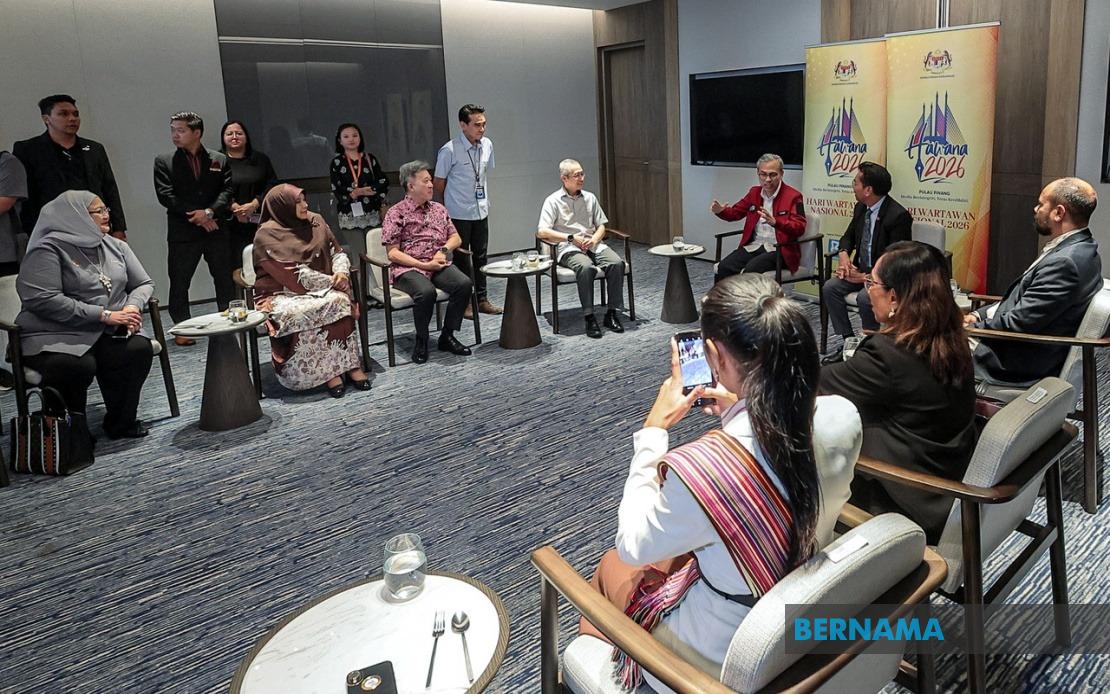
Malaysia is pursuing a comprehensive partnership with Timor-Leste to deepen media cooperation through multiple government agencies, Communications Minister Datuk Fahmi Fadzil announced during a high-level meeting at the HAWANA 2026 conference in Butterworth on June 20. The initiative reflects growing recognition of the importance of regional media collaboration in Southeast Asia, particularly as nations grapple with information integrity and press freedom challenges.
The proposal emerged from discussions between Fahmi and Timor-Leste's Secretary of State for Social Communication, Expedito Loro Dias Ximenes, who led a delegation to Malaysia for the conference. Accompanying Ximenes were senior figures from Timor-Leste's national news agency, Agencia Noticiosa de Timor-Leste (TATOLI), including president Noemio Mateus Soares Falcao and deputy president Madalena DE JCP Carlos. The meeting underscored the bilateral commitment to strengthening institutional bonds within the journalism and broadcasting sectors.
A cornerstone of Malaysia's proposed partnership involves leveraging expertise through the Tun Abdul Razak Broadcasting and Information Institute (IPPTAR), which Fahmi indicated would host specialized training sessions for Timor-Leste journalists. This initiative carries particular significance for a nation rebuilding its media infrastructure following independence, as access to training from a neighbouring regional player with established broadcast systems could enhance professional standards across Timor-Leste's news operations. The arrangement reflects a broader trend of ASEAN nations investing in human capital development within their media sectors.
Beyond training programs, the framework envisions expanded institutional collaboration between Bernama and Radio Televisyen Malaysia (RTM) with their Timor-Leste counterparts. Such partnerships typically encompass news exchange agreements, technical cooperation on broadcasting standards, and content-sharing arrangements that benefit both parties. For Malaysia, engagement with Timor-Leste's media sector represents an opportunity to strengthen diplomatic ties and expand its soft power influence across the region during a period of competitive positioning among regional powers.
A notable dimension of the discussions involved press freedom rankings, where the two ministers compared their nations' performances in the World Press Freedom Index compiled by Reporters Without Borders. Timor-Leste currently ranks highest within Southeast Asia and 30th globally out of 180 countries, a standing that reflects the nation's relatively robust protections for journalistic activity despite its young democratic institutions. Malaysia, by contrast, occupies the second position regionally, indicating progress but also suggesting room for improvement in the regional hierarchy.
Fahmi emphasized that the MADANI Government has invested considerable effort in enhancing Malaysia's press freedom rankings over the past three to four years, a claim supported by documented improvements compared with earlier administrations. However, he candidly acknowledged that Malaysia's current standing leaves considerable scope for further advancement. This candour is significant within the Malaysian context, as previous governments often resisted comparative assessments that placed the nation behind regional peers, and the minister's willingness to reference Timor-Leste's superior ranking signals a shift toward more transparent engagement with press freedom metrics.
The timing of this initiative coincides with the sixth edition of HAWANA, a biennial gathering of approximately 1,000 media professionals from Malaysia and abroad. The conference theme, 'Media Integrity Strengthens Credibility,' frames these bilateral discussions within a broader conversation about institutional resilience and public trust in news media. Prime Minister Datuk Seri Anwar Ibrahim was scheduled to officially open the conference, lending high-level political endorsement to the media cooperation agenda and signalling the government's commitment to elevating journalism standards as part of its broader institutional reform program.
The delegation's presence at HAWANA provided an ideal forum for substantive engagement beyond formal diplomatic channels, allowing news agency executives, broadcast directors, and communications officials to establish working relationships alongside the ministerial discussion. This multi-level engagement—spanning political leadership, agency heads, and technical specialists—indicates that Malaysia views the relationship as requiring sustained institutional commitment rather than symbolic gestures. Participants included Communications Ministry secretary-general Datuk Abdul Halim Hamzah, Bernama chairman Datuk Seri Wong Chun Wai, and Broadcasting director-general Ashwad Ismail, among others.
For Malaysia, closer media ties with Timor-Leste also carry strategic value within a regional context where information flows and narrative framing increasingly influence diplomatic relationships. As China and other powers expand media engagement across Southeast Asia, Malaysia's proactive approach to bilateral media partnerships reflects a conscious effort to maintain influence and presence within the region's information ecosystem. Training Timor-Leste journalists and facilitating content exchanges can foster professional networks and institutional ties that subtly amplify Malaysian perspectives within an important regional partner nation.
Timor-Leste's perspective on the partnership likely reflects its own development priorities. As a relatively new state still consolidating democratic institutions, access to Malaysian media expertise and training resources offers tangible capacity-building benefits without the political strings sometimes attached to engagement with larger powers. The partnership also aligns with Timor-Leste's integration within ASEAN regional frameworks, as media cooperation increasingly features within broader regional agendas concerning digital governance, misinformation, and institutional strengthening.
The proposal to establish regular training programs through IPPTAR carries implications beyond the bilateral relationship. Such arrangements could establish a template for Malaysia's broader engagement with other ASEAN neighbours facing similar media development challenges, potentially positioning Malaysian institutions as regional hubs for journalism training and broadcast expertise. This positioning could yield soft power benefits while contributing genuine value to neighbouring nations' institutional development.
Moving forward, the success of this partnership will depend on translating the announced intentions into substantive programming and sustained institutional engagement. Media cooperation agreements sometimes remain largely symbolic without dedicated resources and clear implementation timelines. Malaysian officials will need to ensure that training commitments are honoured, that news exchange arrangements produce tangible content flows, and that technical cooperation delivers measurable improvements in Timor-Leste's broadcasting capacity. Regular follow-up meetings and progress assessments will be essential to maintaining momentum beyond the initial enthusiasm generated during the HAWANA conference.

