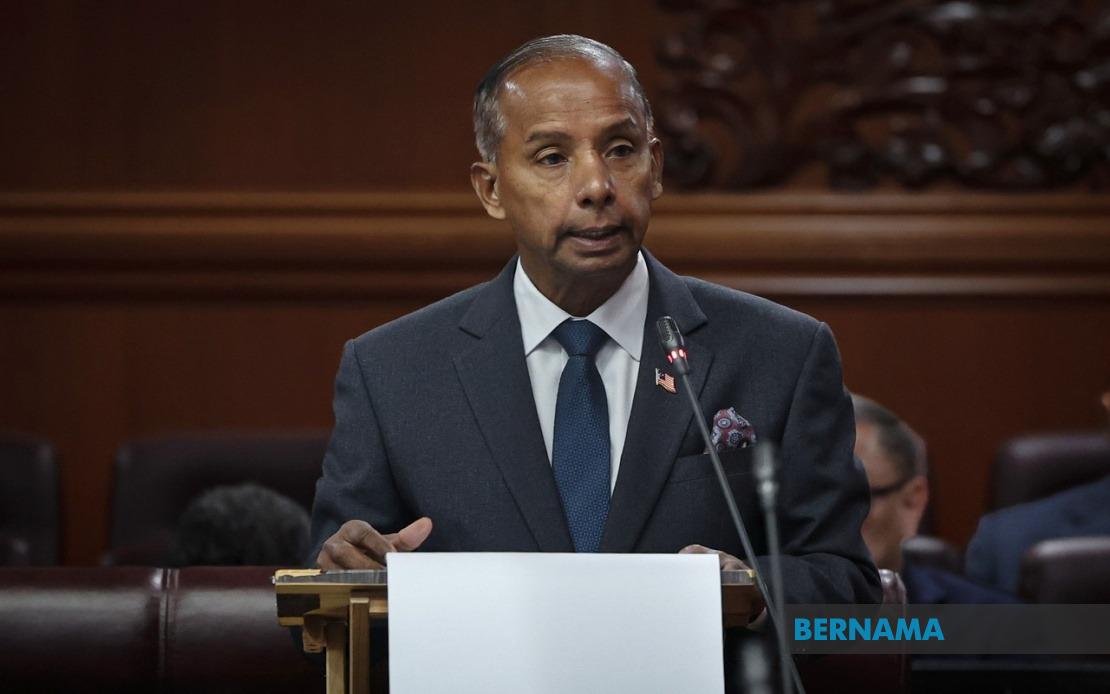
Malaysia is moving to strengthen its witness protection framework by introducing transitional financial support for individuals exiting the scheme, a significant policy shift that recognises the challenges faced by those who have provided testimony in high-stakes criminal proceedings. The Witness Protection (Amendment) Bill 2026, which cleared the lower house on July 14, was debated in the Dewan Negara on July 22, with Deputy Minister M. Kulasegaran in the Prime Minister's Department outlining the rationale for the new measure. The amendment adds a crucial support mechanism that addresses what has long been a practical vulnerability in Malaysia's witness protection system.
Under the proposed legislation, witnesses who complete their participation in the programme will become eligible to receive one-time assistance packages funded by the government. This support is designed to ease the difficult transition from a protected existence back into ordinary society, an adjustment that requires significant practical and financial planning. Kulasegaran clarified that the assistance encompasses three primary areas: housing support, transportation costs associated with relocating from protective facilities to permanent residences, and logistical aid for transferring children to new educational institutions. Each component addresses real-world obstacles that programme participants typically encounter when rebuilding their lives independently.
The introduction of exit assistance fills a substantial gap in Malaysia's existing Witness Protection Act 2009, which has governed the scheme for more than a decade and a half. That legislation established comprehensive protections and support services while individuals remain active participants, including security measures, accommodation, and living expenses. However, it contained no formal mechanism to assist witnesses after the Attorney General determines that protection is no longer necessary or when the underlying legal proceedings have concluded. This created a situation where vulnerable individuals suddenly faced the world without structured support, despite having sacrificed privacy and stability to serve the justice system.
The new bill empowers the director-general of the Protection Division within the Prime Minister's Department to determine the scope and nature of assistance provided to departing participants. This grant of authority is carefully calibrated to ensure that support is calibrated as necessary and reasonable, preventing both insufficient aid and unsustainable long-term entitlements. Kulasegaran was explicit that this assistance represents a one-time intervention rather than permanent welfare provision, establishing clear parameters around government responsibility. The design acknowledges that witnesses need targeted help during the critical early period of reintegration but are expected to achieve self-sufficiency thereafter.
The legislative framework encompasses six clauses altogether, extending beyond the exit assistance provision. The amendments collectively aim to strengthen multiple dimensions of witness protection, including enhanced safety protocols, improved welfare provisions, and more robust physical security measures. These improvements reflect accumulated experience from administering the existing programme and feedback from stakeholders involved in prosecuting serious crimes, corruption cases, and high-profile matters where witness testimony proves essential to securing convictions. The government's investment in strengthening this infrastructure sends a clear signal about its commitment to making it possible for citizens to cooperate with law enforcement and the courts without fear.
For Malaysia's legal system, this development carries substantial implications. Witnesses in major criminal and corruption cases often face genuine personal danger, financial disruption, and severe social dislocation. Without adequate post-programme support, many potential witnesses might decline to participate, creating a chilling effect on prosecutions. The exit assistance package removes a significant disincentive and makes participation more feasible for ordinary citizens who might otherwise be unable to absorb the costs of relocation and reestablishment. This should modestly improve the prosecution's capacity to secure testimony in complex cases, particularly those involving organised crime or white-collar offences where witnesses have accumulated knowledge.
The regional context further illuminates the significance of this reform. Witness protection frameworks across Southeast Asia vary considerably, with some jurisdictions offering more comprehensive support than others. Malaysia's approach, once implemented, will place it among countries with more considered exit provisions, though still short of the most generous systems. The amendment reflects a maturing understanding that justice systems have responsibility not only to protect witnesses during proceedings but also to facilitate their reintegration once they have fulfilled their civic obligation. This principle is increasingly recognised internationally as essential to sustainable prosecutorial capacity.
Practical implementation will require careful coordination between the Protection Division and multiple agencies handling housing, education, and social services. The financial commitment, while not quantified in the parliamentary discussion, represents a modest but meaningful investment in the justice system's infrastructure. Funding must be adequate to provide genuine assistance without creating perverse incentives for individuals to seek protection status opportunistically. The director-general will bear responsibility for maintaining these boundaries while exercising discretion fairly across diverse cases.
From a policy perspective, the amendment demonstrates responsiveness to a genuine systemic deficiency identified through the practical operation of existing legislation. Rather than making dramatic structural changes, the government has chosen a focused intervention that preserves the fundamental architecture of the 1996 act while addressing its most glaring limitation. This incremental approach minimises disruption while delivering concrete improvements. The measure's passage through both legislative houses without apparent controversy suggests broad consensus that the reform addresses a genuine need.
Looking forward, the effectiveness of the exit assistance provision will depend substantially on how generously it is funded and how skilfully it is administered. Witnesses whose relocation expenses and housing support are merely token offerings may feel abandoned rather than aided, potentially damaging the reputation of the programme among potential future participants. Conversely, adequately resourced assistance that genuinely facilitates reintegration could meaningfully improve both witness safety and willingness to participate. The coming months will be crucial for determining how the Protection Division operationalises these provisions and what levels of support become standard practice.

