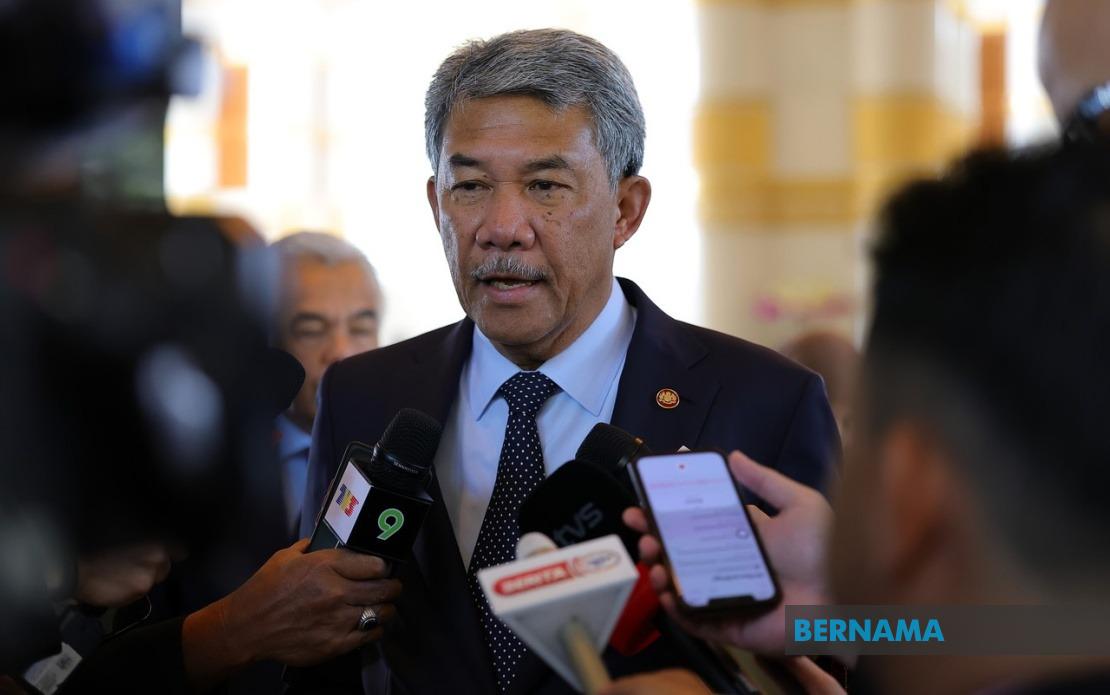
Malaysia has committed to pursuing regional solutions through established ASEAN diplomatic channels in response to escalating transboundary haze affecting multiple areas across Southeast Asia. Foreign Minister Datuk Seri Mohamad Hasan underscored this approach during his working visit to Brunei, emphasising that the regional bloc represents the most effective institutional mechanism for resolving such cross-border environmental challenges. The decision reflects a strategic preference for multilateral engagement over unilateral action, positioning the matter within the broader framework of ASEAN cooperation and collective problem-solving.
Official diplomatic correspondence will be initiated through multiple channels to address the crisis comprehensively. Malaysia's Ministry of Natural Resources and Environmental Sustainability is preparing a formal letter to the ASEAN Secretariat, establishing the issue as a matter requiring regional attention. Simultaneously, Minister Datuk Seri Arthur Joseph Kurup will correspond directly with his Indonesian counterpart, ensuring bilateral engagement complements the multilateral approach. This dual-track strategy demonstrates recognition that tackling transboundary pollution requires both institutional coordination and direct state-to-state dialogue, particularly with the primary source country.
The transboundary haze issue has assumed heightened diplomatic prominence, featuring prominently in bilateral discussions at the highest levels. Prime Minister Datuk Seri Anwar Ibrahim and Brunei's Sultan Hassanal Bolkiah are expected to discuss the haze problem during their annual leaders' consultation on August 22, concurrent with the Malaysia-Brunei Exchange of Letters meeting. This scheduling reflects the shared environmental concern affecting both countries and signals that haze mitigation has become embedded within the broader bilateral agenda alongside economic, security, and cultural cooperation matters.
The current air quality situation across Malaysia's Sarawak region exemplifies the severity of the crisis and the urgency underpinning diplomatic efforts. Serian District Police Headquarters recorded an Air Pollutant Index reading of 217 as of 4 pm on August 21, placing the area in the "very unhealthy" category and posing significant public health implications. Nine additional Sarawak locations registered unhealthy API measurements, ranging from 108 to 186, with Sri Aman recording 186, Sarikei 173, Kuching 171, Samarahan 170, Sibu and Samalaju jointly at 156, Bintulu 153, Mukah 125, and Kapit 108. This widespread distribution across Sarawak's districts underscores that haze impacts extend throughout the state rather than concentrating in isolated pockets.
The reliance on ASEAN as the institutional mechanism reflects both practical necessity and diplomatic tradition within the region. ASEAN's established protocols and mechanisms provide a formal framework through which member states address transnational environmental issues without resorting to confrontational bilateral disputes. The preference for multilateral engagement also distributes diplomatic pressure across the organisation rather than isolating any single member, potentially making partner countries more receptive to discussions about emissions sources and pollution prevention measures. This institutional approach has historically proven effective in managing regional tensions when coupled with genuine commitment from participating nations.
The transboundary haze phenomenon remains a recurring challenge for Southeast Asian nations, particularly during certain seasonal periods when wind patterns and agricultural burning in neighbouring countries combine to degrade air quality across borders. Malaysia's experience with previous haze episodes has informed the current diplomatic response, with policymakers drawing on past negotiations and collaborative frameworks. The involvement of environmental ministry officials alongside foreign affairs representatives indicates a recognition that technical expertise must complement diplomatic messaging, ensuring discussions address both immediate mitigation measures and longer-term prevention strategies.
Indonesia's role as the primary source country for transboundary haze creates both a diplomatic sensitivity and an opportunity for engagement. Direct ministerial correspondence allows for technical discussion of emission sources, enforcement of existing regulations against burning in plantation areas, and potential joint monitoring mechanisms. The bilateral channel also provides space for Malaysia to articulate specific grievances and proposed solutions without the formality that might accompany public statements through ASEAN structures. This approach balances firmness in addressing the problem with diplomatic courtesy essential for maintaining broader bilateral relations.
The timing of this diplomatic push, occurring during bilateral meetings in Brunei, leverages established consultation frameworks rather than requiring emergency convening of special sessions. The Malaysia-Brunei dialogue provides a ready platform for discussing regional issues affecting both nations and demonstrates how bilateral partnerships function as components of broader ASEAN cooperation. Brunei's position as a fellow ASEAN member facing similar air quality challenges strengthens Malaysia's hand in advocating for coordinated regional responses through the organisation's structures.
Public health considerations underscore the urgency of diplomatic efforts. Residents in affected areas face respiratory complications and other health risks associated with prolonged exposure to unhealthy air quality levels. Schools and workplaces may require operational adjustments if haze persists, affecting economic productivity and educational outcomes. The cumulative impact on population health creates domestic political pressure for officials to demonstrate effective crisis management through tangible diplomatic initiatives and measurable improvements in air quality readings.
Moving forward, the success of Malaysia's ASEAN-centred approach will depend substantially on receptiveness from neighbouring countries and the organisation's capacity to translate diplomatic statements into concrete action. The effectiveness of formal letters to the ASEAN Secretariat and bilateral ministerial correspondence will ultimately be measured through changes in emissions practices and improvements in regional air quality. Malaysian policymakers appear confident that multilateral mechanisms offer the best prospects for addressing the crisis, though this confidence rests on assumption of genuine cooperative intent from partner nations grappling with economic and developmental pressures that sometimes conflict with environmental priorities.

