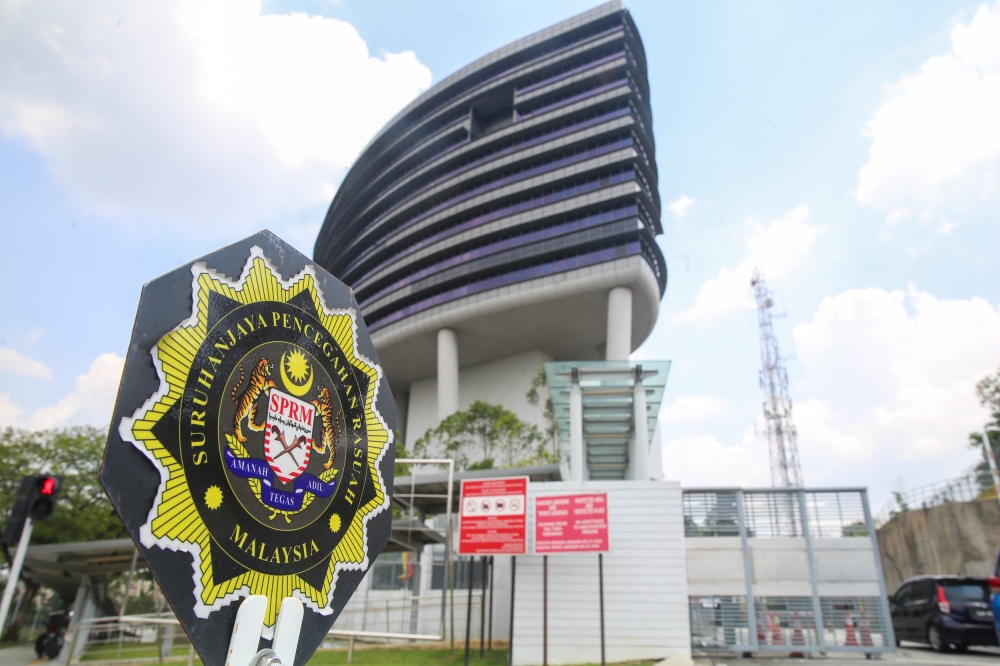
Malaysia is positioning itself as a regional leader in the fight against corruption by hosting a major gathering of anti-graft authorities from across Southeast Asia and beyond. The Malaysian Anti-Corruption Commission will convene the 22nd Asean-PAC meeting, bringing together anti-corruption bodies, law enforcement agencies, and international partners in a coordinated effort to tackle organised wrongdoing that increasingly crosses national boundaries.
The timing of this convocation reflects growing recognition within the region that corruption cannot be combated effectively through isolated national efforts alone. Illicit financial flows, money laundering networks, and sophisticated corruption schemes routinely span multiple jurisdictions, creating enforcement gaps that sophisticated criminals exploit. By gathering regional counterparts under a single framework, participating agencies seek to establish shared intelligence protocols, harmonise investigative standards, and create mechanisms for rapid cross-border cooperation when cases demand it.
Asean-PAC, formally the Asean Plus China, Japan, Korea, and Russia working group on anti-corruption, represents one of the region's most institutionalised mechanisms for fighting graft. The grouping includes not only Southeast Asian nations but also major regional economic powers and development partners whose financial systems are intertwined with the region's. This expanded membership creates opportunities for knowledge transfer and capacity-building that benefit smaller economies lacking resources for sophisticated anti-corruption infrastructure.
For Malaysia specifically, hosting this conference carries particular significance. The country has undertaken substantial institutional reforms in recent years, investing in enhanced investigative capabilities and legal frameworks. The MACC itself has undergone structural improvements aimed at improving efficiency and public confidence. By positioning itself as convenor and host of this gathering, Malaysia reinforces its commitment to regional anti-graft work while potentially elevating its standing as a serious player in the governance and transparency space.
The meeting agenda typically encompasses technical discussions on investigative methodologies, asset recovery frameworks, and international legal cooperation mechanisms. Participants examine case studies where cross-border collaboration succeeded in bringing wrongdoers to account, identifying best practices that can be replicated elsewhere. These forums also provide informal channels through which officials develop personal relationships and trust, facilitating smoother cooperation when urgent cases arise outside formal procedures.
One critical dimension involves coordinating efforts to prevent the movement of ill-gotten gains across the region. Corruption proceeds frequently travel through banking channels, property transactions, and trade finance mechanisms that connect multiple countries. When anti-corruption agencies in different jurisdictions understand each other's procedures, legal frameworks, and institutional capabilities, they can more effectively freeze suspect assets and trace money trails that might otherwise disappear into the formal economy.
The gathering also addresses capacity gaps that persist across the region's anti-corruption ecosystem. While some Southeast Asian nations maintain world-class investigative units and prosecution teams, others face resource constraints, limited specialised training, and incomplete legal frameworks. Asean-PAC provides a platform where advanced agencies share technical expertise and help build capability elsewhere. This levelling-up process strengthens the region overall, creating fewer weak points that criminals might exploit.
International participants bring perspectives shaped by their own anti-corruption challenges and solutions. China, Japan, and Korea have grappled with corruption within their own systems and developed sophisticated countermeasures. Russia's participation provides insight into the corruption patterns and enforcement approaches prevalent in non-Southeast Asian contexts. These external viewpoints help regional participants contextualise their challenges within broader global patterns and identify approaches that succeed in comparable environments.
For Malaysian readers and policymakers, this hosting responsibility underscores the country's role within regional institutional architecture. As Southeast Asia's largest economy by nominal GDP and home to crucial financial hubs like Kuala Lumpur, Malaysia benefits significantly from credible, effective anti-corruption systems across the region. Corruption in neighbouring countries generates spillover effects through illicit finance and organised crime that inevitably touch Malaysian territory and institutions. Conversely, robust anti-graft cooperation makes Malaysia a more attractive destination for legitimate investment and business activity.
The broader context involves shifting international attitudes toward corruption and governance. Multilateral institutions, development agencies, and sophisticated investors increasingly scrutinise the corruption risk profiles of jurisdictions where they operate. Nations perceived as serious about tackling graft enjoy competitive advantages in attracting capital and talent. The Asean-PAC meeting reinforces regional commitment to these standards, signalling to the international community that Southeast Asia takes anti-corruption seriously as a shared priority.
Longer-term implications for Malaysia involve building durable institutional relationships that transcend political transitions. Anti-corruption cooperation works most effectively when agencies develop mutual understanding and trust that persists across election cycles and leadership changes. By hosting the Asean-PAC meeting and facilitating these connections, Malaysia strengthens networks that will provide operational value for years to come, regardless of future domestic political developments.
The meeting also provides opportunity for the MACC to learn from regional peers and international observers. Exposure to different investigative approaches, prosecutorial strategies, and institutional arrangements helps the MACC refine its own operations and identify areas where Malaysia's anti-corruption framework might benefit from enhancement. This peer engagement complements Malaysia's domestic reform efforts and helps ensure that institutional improvements remain aligned with international best practice standards.

