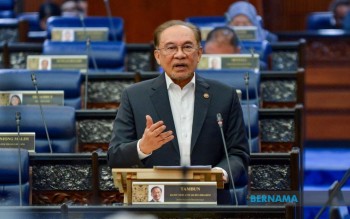
The Malaysian government is moving forward with plans to examine the feasibility of building a strategic national petroleum reserve, according to an announcement by Prime Minister Datuk Seri Anwar Ibrahim. The initiative represents a significant policy pivot towards enhanced energy independence, reflecting growing concerns about potential disruptions to global fuel supplies and heightened geopolitical tensions that could threaten the country's economic stability.
Anwar unveiled the decision following the National Energy Council Meeting No. 1 2026, which he chaired in Kuala Lumpur on July 15. The deliberations centred on reinforcing Malaysia's broader energy transition objectives while simultaneously addressing immediate vulnerabilities in the nation's petroleum supply chain. The dual-track approach underscores the government's recognition that rapid renewable adoption must coexist with prudent conventional energy management until alternative sources achieve full operational maturity across all sectors.
The rationale for establishing petroleum reserves stems from Malaysia's exposure to external shocks. In an era marked by unpredictable geopolitical conflicts, trade sanctions, and recurring supply chain disruptions—as witnessed during recent global crises—countries without strategic buffers face acute risks of fuel shortages and price volatility. By studying the mechanics and costs of maintaining a strategic reserve, Malaysia positions itself to withstand potential supply interruptions that could destabilise industries from transportation to power generation, thereby protecting both consumer interests and national economic performance.
Simultaneously, Malaysia is accelerating its energy transition agenda in line with the National Energy Transition Roadmap (NETR). As of December last year, renewable energy capacity reached 31 percent of total installed generation, reflecting sustained progress in reducing reliance on coal-fired power stations. This trajectory aligns with regional commitments to climate sustainability while diversifying Malaysia's energy sources to mitigate exposure to volatile fossil fuel markets. The expansion of renewable capacity serves multiple strategic objectives: reducing carbon emissions, enhancing long-term energy independence, and creating new economic opportunities in green technology sectors.
A critical enabler of this renewable integration is the Corporate Renewable Energy Supply Scheme (CRESS), which has been strengthened through integration with Battery Energy Storage System (BESS) technology. Battery storage addresses a fundamental challenge in renewable deployment—intermittency—by capturing excess generation during peak production hours and releasing it during periods of high demand or low renewable output. This innovation allows corporations to rely more confidently on renewable power sources while maintaining operational reliability, thereby accelerating private sector adoption of clean energy.
In the transport sector, Malaysia is pursuing multiple pathways toward sustainability. The B15 biodiesel initiative demonstrates commitment to renewable fuels, with Petronas developing a dedicated biofuel hub in Pengerang, Johor to scale production and reduce costs. Biodiesel represents an immediate practical solution for existing diesel-powered vehicles and infrastructure, requiring minimal engine modifications whilst reducing carbon intensity. This gradualist approach acknowledges that not all transport modes can transition to electrification simultaneously, particularly heavy-duty logistics and industrial vehicles that form the backbone of Malaysia's supply chains.
Electric vehicle adoption is also accelerating across public transit networks. The deployment of 250 electric buses and 800 kilometres of electrified rail coverage demonstrates tangible progress toward cleaner urban mobility. These projects not only reduce urban air pollution and noise pollution—critical quality-of-life improvements for Malaysian cities—but also reduce operational costs for public transport authorities by lowering fuel and maintenance expenditures. As these systems mature and costs decline, they will likely catalyse faster adoption in the private sector.
Particulously noteworthy is Malaysia's emerging hydrogen economy, exemplified by Phase 1 of the hydrogen hub development for the Autonomous Rapid Transit (ART) system in Sarawak. Hydrogen represents a long-term decarbonisation pathway for sectors resistant to electrification, including high-temperature industrial processes, long-haul transport, and potentially aviation. Sarawak's hydrogen initiative positions Malaysia as a potential regional leader in this emerging technology, potentially creating export opportunities and attracting foreign investment in hydrogen infrastructure and production.
The integration of these various initiatives—petroleum reserves, renewable capacity, battery storage, biodiesel, electrified transport, and hydrogen development—reflects sophisticated energy policy that balances immediate security needs with long-term sustainability imperatives. Rather than adopting a binary choice between fossil fuels and renewables, Malaysia is constructing a diversified portfolio that leverages different technologies according to their technical maturity and economic viability. This pragmatic approach resonates with Southeast Asian policymaking, where resource constraints and development priorities necessitate careful sequencing of energy transitions.
For Malaysian businesses and consumers, these policies carry direct implications. Companies can increasingly access cheaper, cleaner renewable energy through CRESS arrangements, reducing operational costs and carbon footprints—increasingly important for export competitiveness. Public transport users will experience improved air quality and potentially lower fares as electrified networks achieve economies of scale. Energy security improvements reduce risks of fuel price shocks that disproportionately impact lower-income households and vulnerable industries.
The geopolitical context cannot be overlooked. Malaysia's strategic location on global shipping lanes and its role as a regional energy hub mean that global energy crises resonate acutely domestically. By developing petroleum reserves, Malaysia mitigates vulnerability to externally-imposed supply disruptions. This independence enhances the country's diplomatic flexibility and economic resilience in navigating an increasingly multipolar world where great power competition shapes global energy markets and infrastructure investments.
Moving forward, the government's detailed studies on petroleum reserve mechanics—including storage capacity, geographic distribution, maintenance costs, and strategic replenishment schedules—will determine implementation timelines. Meanwhile, the renewable transition continues apace, suggesting Malaysia will arrive at a more balanced energy architecture within five to ten years. Success depends on sustained political commitment, adequate financing, technological innovation, and effective coordination across federal and state governments, energy companies, and private sector participants.

