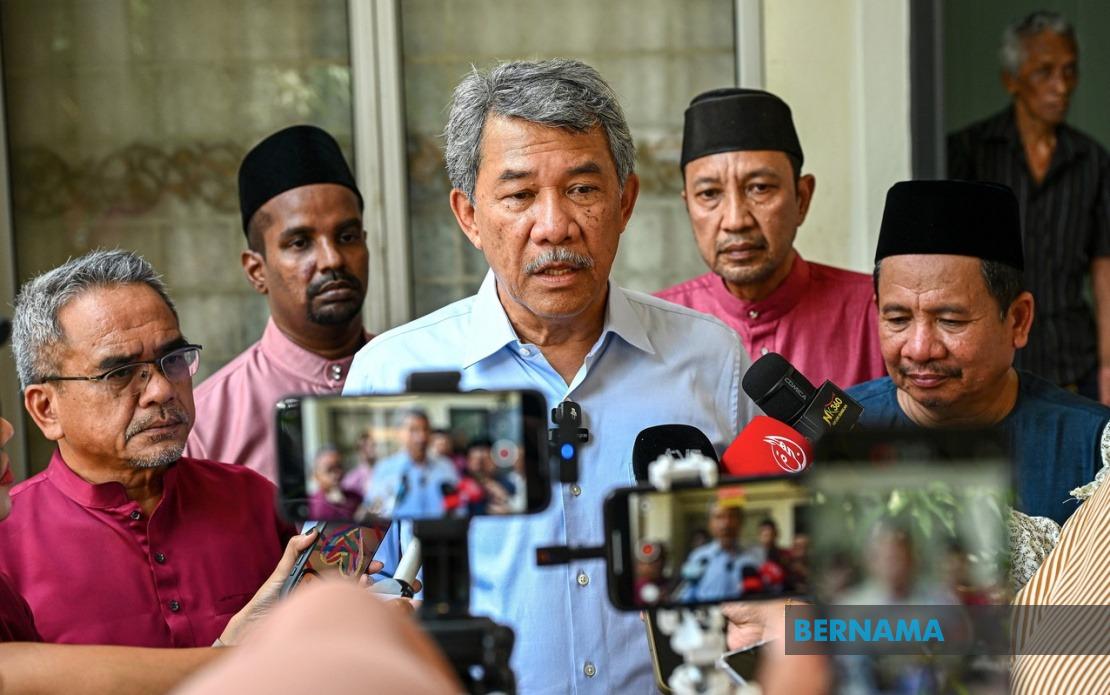
Malaysia's approach to repatriating Myanmar refugees centres on a deliberate verification process that prioritizes individual safety over speed, according to Foreign Minister Datuk Seri Mohamad Hasan. Speaking after a community engagement event in Seremban on August 14, he outlined a cautious framework designed to protect vulnerable populations returning to an uncertain security environment in their homeland. This measured stance reflects the complex humanitarian and diplomatic considerations that Malaysia must balance as it hosts a significant refugee population displaced by Myanmar's internal instability.
The repatriation process will depend heavily on coordination between the United Nations High Commissioner for Refugees and Malaysia's Home Ministry, both of which will evaluate each refugee's circumstances and the conditions awaiting them upon return. Rather than processing large groups simultaneously, Mohamad Hasan indicated that Malaysia intends to send identified individuals back in stages, allowing time to monitor conditions and ensure no returnee faces persecution or endangerment. This incremental approach contrasts with reports that Myanmar's government was prepared to receive up to 5,000 of its nationals from Malaysia via maritime transport, suggesting Kuala Lumpur will not be pressured into hastened departures regardless of external timelines.
The Foreign Minister instructed Malaysia's Ministry of Foreign Affairs to engage directly with Myanmar's government through diplomatic channels to coordinate logistics and security assurances. This bilateral communication aims to establish confidence that returnees will not face retribution or danger from state or non-state actors upon landing in Myanmar. Given the country's ongoing political turmoil and military administration, such assurances remain critical. Malaysia's insistence on gradual processing means that the initial cohort of 1,000 refugees already cleared for return can proceed without waiting for larger numbers to accumulate, demonstrating flexibility within the safety framework.
Mohamad Hasan's statements underscore Malaysia's position that refugee repatriation is fundamentally a matter of human welfare, not merely administrative convenience. By emphasizing that Malaysia has "no need to wait until there are 5,000 people," he rejected any suggestion of rush or bulk processing that might compromise individual assessments. This principle holds particular significance for Southeast Asia, where cross-border displacement remains a persistent challenge and where neighbouring states must grapple with both humanitarian obligations and sovereignty concerns. Myanmar's protracted crisis continues to generate new displacement, meaning Malaysia's refugee population may grow even as repatriations proceed.
The role of ASEAN in this situation receives formal acknowledgement through Mohamad Hasan's reference to the organization's collective responsibility. He stressed that ASEAN member states must address the Myanmar refugee challenge together rather than allowing individual nations to absorb disproportionate burdens. The Five-Point Consensus, ASEAN's diplomatic framework for responding to Myanmar's instability, remains central to the region's strategy. This consensus emphasizes dialogue, non-interference, and collective problem-solving, principles that inform how repatriation should be conducted transparently and with safeguards against political pressure from Myanmar's military leadership.
Myanmar's internal security environment continues to deteriorate, with armed opposition groups, civilian defence forces, and military factions engaged in sustained conflict across multiple regions. This fragmentation means that safety assessments must be location-specific and regularly updated. Returnees destined for areas experiencing active fighting face different risks than those returning to relatively stable zones. Malaysia's multi-layered verification process recognizes these variations, ensuring that individual cases are evaluated against current ground realities rather than generic assumptions about the country's stability. Such precision requires ongoing intelligence gathering and coordination with international organizations monitoring the situation.
The UNHCR's involvement ensures that repatriation follows international humanitarian standards and that Malaysia's process meets obligations under refugee conventions. The UN body will independently verify refugee status and assess whether return is genuinely voluntary and safe, providing a buffer against political or administrative pressure that might compromise individual choice. This institutional oversight strengthens Malaysia's credibility as a responsible host nation and provides protection for vulnerable individuals who might otherwise face coercion to leave. For refugees themselves, UNHCR involvement offers recourse and monitoring mechanisms that bilateral arrangements alone cannot provide.
Myalaysia's refugee population includes ethnic minorities from Myanmar, religious minorities, and political dissidents whose return carries particular risks. Some individuals face potential prosecution or violence based on their identity or past activities, making blanket repatriation dangerous regardless of official assurances from Naypyidaw. The Foreign Ministry's engagement with Myanmar's government serves partly to negotiate case-specific protections and to establish written guarantees against retaliation. Whether such guarantees prove enforceable remains uncertain, underscoring why Malaysia insists on the ability to halt repatriations if circumstances change.
Regional implications of Malaysia's approach extend beyond bilateral Myanmar-Malaysia relations to influence how Southeast Asia manages refugee crises more broadly. If Malaysia demonstrates that careful, rights-respecting repatriation processes can succeed without sacrificing efficiency, other nations facing similar pressures may adopt comparable frameworks. Conversely, if repatriations result in documented returns to harm, the diplomatic and humanitarian costs to Malaysia and ASEAN will be substantial. This precedent-setting dimension explains why Mohamad Hasan's emphasis on safety carries weight beyond immediate humanitarian concerns; it shapes regional norms around refugee protection during complex political transitions.
The Foreign Minister's statements also reflect domestic political considerations within Malaysia, where refugee populations occasionally generate public concern about resource allocation and security. By framing repatriation as conditional on safety verification rather than automatic, the government can demonstrate responsiveness to citizen concerns while maintaining international humanitarian standing. This balancing act requires visible processes and transparent criteria, qualities that staged repatriation with UNHCR oversight provides more effectively than rushed departures.
Looking forward, Malaysia's repatriation timeline remains uncertain because conditions in Myanmar continue evolving unpredictably. The 1,000 individuals identified for immediate return may depart within months, or repatriations may slow if Myanmar's security situation deteriorates further. Mohamad Hasan's emphasis on flexibility and conditional return suggests that Malaysia will not be bound by predetermined schedules if safety concerns emerge. This principled stance, rooted in humanitarian obligation rather than political expediency, shapes how the region will respond to displacement crises for years to come.

