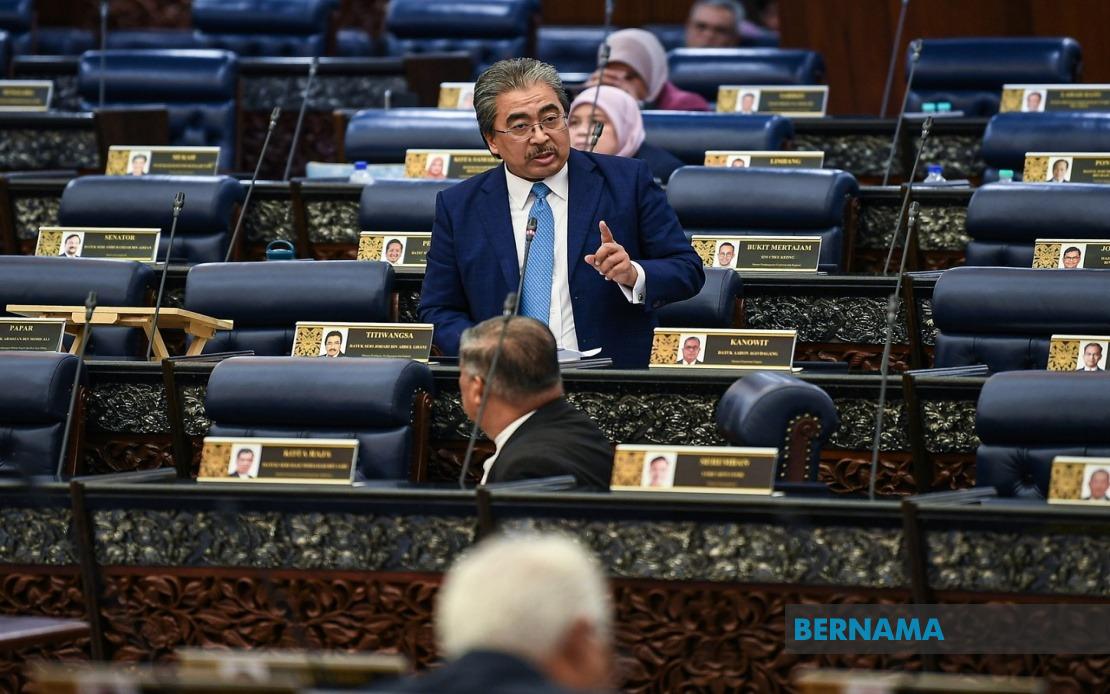
Malaysia is moving swiftly to establish a regulatory framework that will prohibit the importation of goods manufactured through forced labour, marking a significant step in aligning the nation's trade practices with international standards. Investment, Trade and Industry Minister Datuk Seri Johari Abdul Ghani announced the initiative during parliamentary proceedings, emphasising that the government recognises the urgency of addressing this compliance gap before facing potential economic consequences from its largest trading partners.
The announcement comes amid mounting pressure from the United States, which has flagged Malaysia as one of 54 countries lacking adequate legal safeguards against importing such products. In June 2026, the US unveiled preliminary findings from its investigation into 60 nations' enforcement of forced labour restrictions, revealing a troubling global pattern of non-compliance. Malaysia's inclusion in this list poses a credible threat to bilateral trade relations and could trigger punitive measures that would ripple across the Malaysian economy.
The Inter-Agency Task Force on Forced Labour, chaired by the Ministry of Investment, Trade and Industry, will drive the development and implementation of this mechanism. The composition of the task force reveals the scope of coordination required, bringing together the Ministry of Finance, Ministry of Foreign Affairs, Ministry of Home Affairs, Ministry of Human Resources, and Ministry of Transport. Additionally, the Attorney-General's Chambers, Royal Malaysian Customs Department, Malaysian Border Control and Protection Agency, Royal Malaysian Police, Malaysian Investment Development Authority, and Malaysian External Trade Development Corporation will contribute expertise and enforcement capacity.
The timing of this initiative is critical. The United States has communicated an indicative tariff of 10 per cent on Malaysian exports, set to take effect after July 24, specifically targeting the country's failure to address forced labour concerns. While the US investigation into forced labour issues is nearly complete, the broader market access investigation remains ongoing, suggesting that additional trade friction could emerge. For Malaysian policymakers, these parallel investigations represent a dual threat that demands immediate and comprehensive action.
Currently, Malaysia operates without explicit legislation or enforcement mechanisms targeting imports made with forced labour. This legal vacuum has exposed the country to international scrutiny and has positioned it at a disadvantage compared to trading partners with established frameworks. The absence of such provisions not only reflects a regulatory oversight but also raises concerns about Malaysia's commitment to international labour standards and responsible supply chain practices. Multinational corporations sourcing from Malaysia may face reputational risks and pressure from global consumers increasingly conscious of ethical procurement.
The mechanism under development will need to balance multiple objectives. It must satisfy stringent US requirements, harmonise with international labour standards promoted by the International Labour Organization, and account for Malaysia's complex position as both an exporter and importer of goods. The task force will need to establish clear definitions of forced labour, develop screening protocols for imports, create enforcement procedures, and establish penalties for violations. These elements must be implemented without unduly disrupting legitimate trade flows or imposing unreasonable compliance burdens on Malaysian businesses.
For Malaysian exporters, particularly those in labour-intensive sectors such as palm oil, electronics manufacturing, and textiles, the establishment of this import ban mechanism carries dual implications. While the primary purpose is to regulate inbound goods, Malaysia's own exports face increasing scrutiny regarding labour practices. Companies operating in these sectors must recognise that strengthened domestic controls over forced labour imports signal a broader governmental commitment to labour rights enforcement that will inevitably extend to export supply chains. Proactive measures to audit supplier practices and ensure fair labour conditions will become competitive necessities.
The economic stakes are substantial. Malaysia's trade relationship with the United States generates hundreds of billions of ringgit annually across multiple sectors. A 10 per cent tariff on all Malaysian exports would constitute a severe shock to the economy, affecting manufacturers, exporters, and ultimately consumers through higher prices and reduced economic growth. Beyond immediate tariff impacts, such measures could trigger investor concerns about Malaysia's regulatory reliability and trade policy environment, potentially dampening foreign direct investment flows that have underpinned the nation's development trajectory.
From a regional perspective, Malaysia's experience underscores a broader challenge confronting Southeast Asian nations. As global supply chains become increasingly scrutinised and international labour standards gain prominence, countries throughout the region face similar pressures to strengthen their regulatory frameworks. Malaysia's proactive approach in establishing this mechanism could position it as a regional leader in responsible trade practices, potentially offering a model for neighbouring economies grappling with comparable issues. Conversely, delayed action could invite broader sanctions that extend beyond forced labour concerns to encompass other trade compliance matters.
The development of this mechanism also reflects evolving global trade dynamics where non-tariff measures—regulations addressing labour rights, environmental protection, and human rights—have become as consequential as traditional tariffs. For Malaysian businesses and policymakers, understanding and adapting to this reality is essential for sustained economic competitiveness. The coming months will be crucial as the task force formulates specific provisions and implements enforcement procedures that must satisfy both international expectations and domestic realities.
Successful implementation will require sustained coordination across government agencies, active engagement with the private sector to ensure practical feasibility, and clear communication with trading partners regarding Malaysia's commitment to compliance. The government will also need to invest in capacity-building for customs officials and border agencies responsible for identifying and preventing imports of goods made with forced labour. Training programmes, intelligence-sharing mechanisms, and technological solutions such as enhanced supply chain traceability will be necessary components of a credible enforcement framework.
As Malaysia navigates this regulatory transformation, the broader lesson extends beyond forced labour concerns. The nation's ability to adapt swiftly to international standards while maintaining economic vitality will determine its resilience in an increasingly interconnected and demanding global trading environment. The Inter-Agency Task Force on Forced Labour represents both a defensive response to immediate US pressure and a strategic investment in Malaysia's long-term trade competitiveness and international standing.

