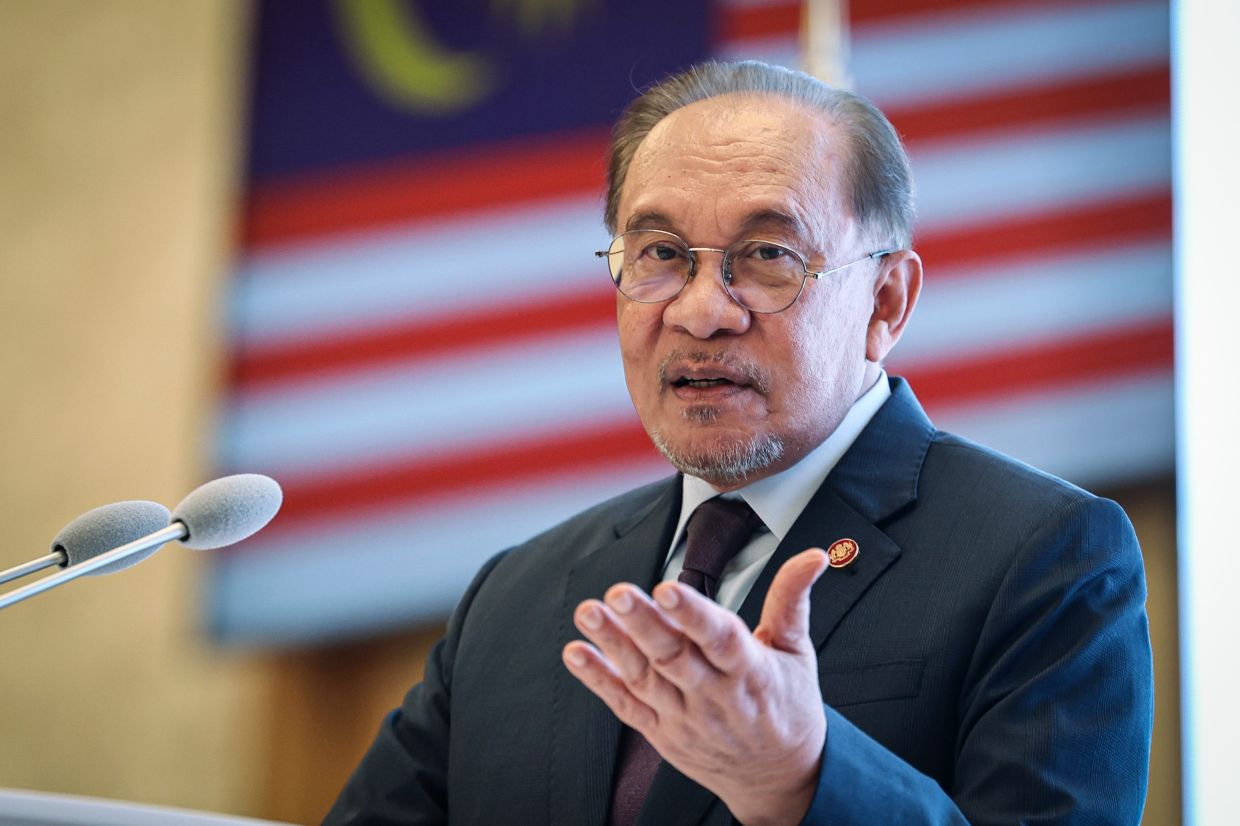
The Malaysian government is signalling openness to a carefully calibrated approach to taxation reform that could blend elements from two competing systems while avoiding the pitfalls of either. Prime Minister Datuk Seri Anwar Ibrahim, speaking during the closing of the Budget 2027 engagement session in Putrajaya, confirmed that policymakers are willing to study a proposal combining features of the GST with Malaysia's current SST regime. However, Anwar was emphatic that any reform would preserve the SST as the national taxation foundation, with only selective components from the GST considered for integration—a position reflecting deeper philosophical disagreements about whom the tax burden should ultimately fall upon.
The distinction between these two tax architectures carries substantial implications for ordinary Malaysians and shapes how government revenue is collected across the economy. A broad-based consumption tax like the GST theoretically captures revenue more comprehensively but affects virtually all citizens through increased prices on goods and services. By contrast, the SST targets specific products and services, allowing governments greater flexibility in determining what gets taxed and at what rate. Anwar's insistence on retaining the SST as the core system suggests the administration remains committed to a taxation model that, in principle, exempts essential items and lower-income households from certain levies—even if implementation varies in practice.
Anwar's resistance to adopting a GST-style system stems from concern about regressive taxation effects, particularly given the current cost-of-living crisis affecting Malaysian households across income levels. He emphasised repeatedly that a broad-based consumption tax would impose obligations on citizens who have never previously borne direct tax responsibilities, fundamentally altering the social contract between government and taxpayer. In the present economic climate, where purchasing power remains constrained and inflation continues pressuring household budgets, introducing such a system would likely prove politically untenable and economically damaging to lower-income segments of society. The Prime Minister framed this not merely as a technical preference but as a matter of principle and social fairness.
The proposal to examine hybrid elements reflects ongoing internal government discussions about optimising Malaysia's tax system for greater progressivity—a term meaning that those with higher incomes or greater capacity to pay should bear proportionally larger tax burdens. Under a purely regressive system, lower-income households pay a larger percentage of their earnings in tax, while progressive systems reverse this dynamic. Malaysia's SST framework, when properly calibrated, permits progressive elements by exempting basic necessities and applying differential rates across product categories. Incorporating specific GST features—such as enhanced administrative efficiency or improved compliance mechanisms—without adopting the GST's universality could theoretically deliver operational improvements without sacrificing progressivity.
The timing of this announcement, coinciding with the Budget 2027 engagement session, reflects broader preparations for the government's fiscal framework in the coming year. The budget itself, themed "Malaysia MADANI: Menggapai di Langit, Mengakar di Bumi," is scheduled for parliamentary tabling on October 9, signalling that detailed taxation discussions are underway across government ministries and agencies. The presence at today's session of Finance Minister II Datuk Seri Amir Hamzah Azizan, Deputy Finance Minister Liew Chin Tong, Treasury officials, and Bank Negara Malaysia Governor Datuk Seri Abdul Rasheed Ghaffour underscores the complexity and high-level attention devoted to tax policy formulation.
For Malaysian business and industry stakeholders, any movement toward incorporating GST elements could carry mixed implications. Businesses often prefer broad-based consumption taxes because they create administratively simpler systems with fewer exemptions and special cases to manage. However, such systems typically shift compliance burdens to merchants and suppliers rather than final consumers. The government's apparent willingness to study hybrid approaches suggests awareness that businesses need predictability and clarity in tax rules, yet the emphasis on retaining SST as the foundation indicates reluctance to embrace the full GST framework that private sectors sometimes advocate.
The proposal also reflects Malaysia's position within the region and broader global taxation trends. Southeast Asian neighbours have experimented with various consumption tax models, from Singapore's Goods and Services Tax to Indonesia's Value Added Tax system. Malaysia's cautious approach—studying combinations rather than wholesale adoption of either system—demonstrates how local political economy and social conditions shape tax policy differently across the region. What works administratively in one jurisdiction may face resistance in another based on differing governance contexts, income distributions, and political priorities.
Anwar's repeated emphasis on his fundamental disagreement with GST's broad-based nature reveals the ideological dimension underlying technical tax debates. Progressive taxation is increasingly central to how governments justify their fiscal systems to publics concerned with inequality and fairness. By positioning the government as protective of lower-income citizens against regressive taxation, Anwar is articulating a vision of tax policy aligned with the Malaysia MADANI agenda, which emphasises equitable development and social solidarity. This framing carries political significance beyond mere technical discussion, establishing parameters within which reform discussions will unfold.
The government's willingness to study rather than immediately implement changes also reflects political prudence. Tax reform remains inherently contentious, touching fundamental relationships between state and citizen. The engagement session itself, bringing together industry representatives, NGOs, economists, and civil service officials, indicates inclusive consultation processes are underway before concrete proposals emerge. This consultative approach contrasts with how previous governments introduced major tax changes—often with limited public preparation—and suggests the current administration seeks broader stakeholder buy-in before proceeding.
Regarding implementation timelines, Anwar did not indicate when detailed findings from this study would emerge or how long the government might require to evaluate proposals. The examination process could extend beyond the 2027 budget cycle, particularly given the complexity of redesigning taxation systems that affect millions of economic transactions daily. Any recommendations would need vetting across finance ministry departments, central bank analyses, revenue authority reviews, and ultimately cabinet approval before parliamentary legislation. The extended timeline also permits continued economic data gathering and comparative analysis with regional tax systems, strengthening evidence bases for eventual decisions.
Looking forward, the government's position suggests that major taxation overhaul remains unlikely in the immediate term, but gradual refinement of existing SST structures toward enhanced progressivity is plausible. This middle path—neither pursuing comprehensive GST adoption nor maintaining the status quo indefinitely—reflects political realities of governing a diverse nation with competing economic and social priorities. For Malaysian investors, businesses, and households, the key takeaway is that tax policy discussions remain active and will likely produce incremental rather than revolutionary changes, at least through the 2027 budget period and potentially beyond.

