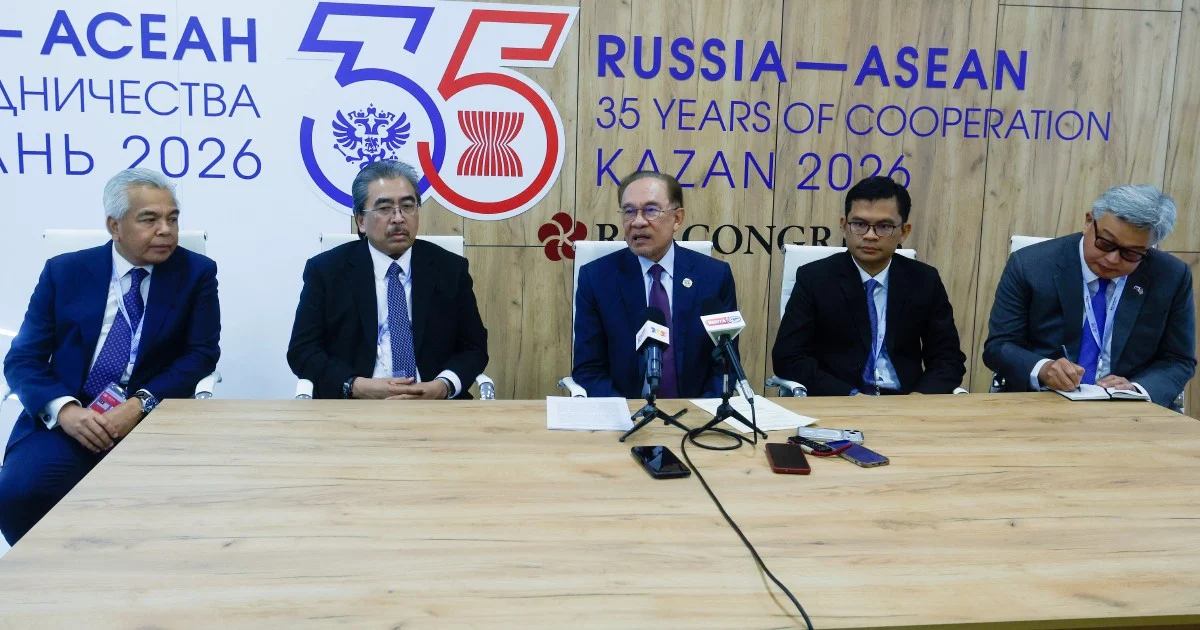
Prime Minister Datuk Seri Anwar Ibrahim has instructed government agencies to fast-track the implementation of visa-free travel for Russian nationals, reflecting Malaysia's determination to rebuild its tourism economy in the post-pandemic era. The directive, made during an engagement in Kazan, underscores the administration's focus on unlocking new visitor markets and reversing the decline in international arrivals that has hampered the sector's recovery.
The decision represents a pragmatic shift in Malaysia's visa policy aimed at capitalising on Russia's significant source market for tourism. By removing bureaucratic barriers to entry, the government seeks to position Malaysia as an accessible and welcoming destination for Russian travellers, a demographic historically drawn to Malaysia's beaches, business opportunities, and cultural attractions. The move acknowledges that visa requirements have often deterred potential visitors from visiting Southeast Asia, particularly from markets where alternative destinations in Europe and Asia have already adopted more liberal entry policies.
Russia's tourism potential for Malaysia extends beyond leisure travel. Russian investors, business professionals, and entrepreneurs have demonstrated interest in Malaysia's financial services, real estate, and trading sectors over the past decade. By facilitating easier entry, the government hopes to simultaneously attract business visitors and facilitate commercial engagement, creating a dual benefit that extends the initiative's impact beyond pure tourism spending.
The tourism sector remains critical to Malaysia's economic strategy, particularly given its historical contribution to foreign exchange earnings and employment. The industry has faced unprecedented challenges in recent years, with international visitor arrivals declining significantly as pandemic-related restrictions and travel uncertainty reshaped global mobility patterns. Recovery has proven slower than anticipated, requiring targeted interventions to restore pre-crisis visitor volumes. Within this context, the Russian market represents an underexploited opportunity that could generate substantial revenue and employment.
Geopolitically, the timing of this initiative carries significance for regional positioning. Strengthened travel ties with Russia align with Malaysia's broader foreign policy emphasis on maintaining balanced, multi-directional relationships across major powers. Enhanced tourism flows typically translate into improved bilateral understanding and people-to-people connections, potentially strengthening diplomatic and economic foundations between the two nations. This approach reflects Malaysia's tradition of pragmatic, non-aligned foreign policy that pursues opportunities across diverse geopolitical actors.
The expedited implementation timeline suggests that the Prime Minister recognises tourism's urgency as a job creation and revenue-generation instrument. Government agencies will likely need to coordinate closely to streamline visa processing, update diplomatic protocols, and establish reciprocal arrangements with Russian authorities. The instruction's emphasis on speed indicates that bureaucratic delays and procedural obstacles should be minimised, enabling the policy to take effect relatively quickly.
Other Southeast Asian nations have already adopted visa-free or visa-on-arrival policies for Russian visitors, creating competitive pressure for Malaysia to follow suit. Thailand, Vietnam, and Cambodia have benefited from increased Russian tourism following the removal of visa barriers, and Malaysia's delayed adoption of similar measures has potentially cost the country thousands of visitor arrivals annually. Aligning Malaysia's policy with regional competitors ensures the country does not fall behind in attracting this affluent, mobile demographic.
The financial implications for Malaysia's tourism industry could be substantial. Russian tourists typically spend at higher levels compared to some other Asian markets, particularly in hospitality, dining, shopping, and entertainment sectors. A significant increase in Russian visitor numbers would generate multiplier effects throughout the economy, benefiting hotels, airlines, restaurants, tour operators, and retail businesses concentrated in major urban centres and resort destinations.
Implementation will require coordination between the Immigration Department, Foreign Ministry, and tourism promotion agencies to ensure seamless execution. Clear communication with Russian authorities regarding entry requirements, while maintaining security and border management standards, remains essential. The government must balance openness with appropriate security protocols, ensuring that visa-free access does not compromise Malaysia's ability to monitor visitor movements or maintain public safety.
The initiative also signals confidence in Malaysia's ability to attract and accommodate increased visitor volumes. Airport facilities, accommodation capacity, and transport infrastructure will come under pressure if Russian tourist arrivals increase substantially, prompting potential secondary investments in tourism-related infrastructure. This demand-side stimulus could support broader economic growth and create construction and service sector employment.
For Malaysian tourism businesses, the announcement provides strategic clarity regarding future market opportunities. Tour operators, hotel chains, and tourism service providers can begin developing Russian-language marketing materials, staffing strategies, and service customisation to cater to this emerging demographic. Regional tourism authorities in Sabah, Sarawak, and peninsular Malaysia can tailor promotional campaigns targeting Russian media and travel platforms.
The decision demonstrates how Malaysia's political leadership recognises tourism's centrality to post-pandemic economic recovery. By removing administrative friction for specific high-value markets, the government employs a targeted approach that maximises benefit while maintaining manageable implementation complexity. This pragmatic strategy, coupled with the geographic and cultural appeal Malaysia offers to Russian travellers, positions the country to capture meaningful market share in a segment previously underserved by visa policies.

