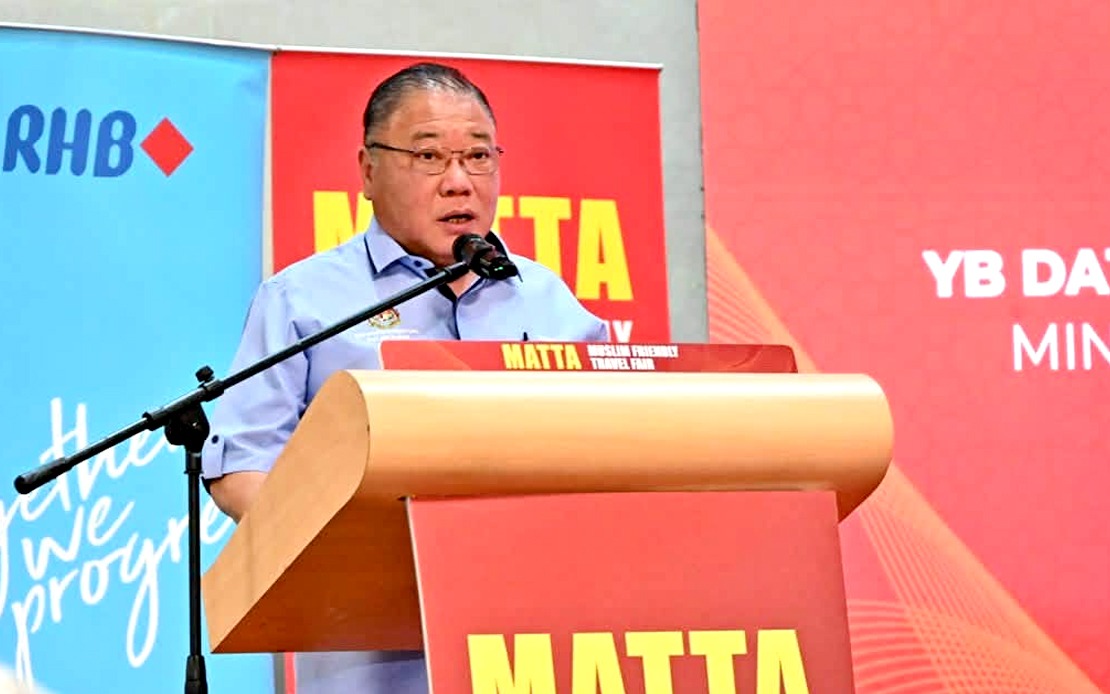
The Malaysian government is moving to regulate the umrah travel industry through the introduction of a floor pricing system coupled with mandatory service standards, addressing growing concerns about dangerously cheap packages that have left pilgrims stranded or unable to complete their religious obligations. Tourism, Arts and Culture Minister Datuk Seri Tiong King Sing unveiled the strategy at the Malaysian Association of Tour and Travel Agents (MATTA) Muslim Friendly Travel Fair 2026 in Kuala Lumpur, signalling heightened government scrutiny of an industry that has attracted criticism for its race-to-the-bottom pricing practices.
The initiative represents a significant intervention in the umrah market, where operators have increasingly competed by slashing prices to unsustainable levels. Under the new framework, travel companies will be required to establish a minimum price floor below which packages cannot be offered, while simultaneously providing transparent itemisation of all included services. This dual approach seeks to eliminate the false economy created by loss-leader pricing, where operators accept bookings at prices that make it financially impossible to deliver basic service standards.
Tiong emphasised the urgency of the regulatory push during his address, revealing that senior government officials, including those at Tabung Haji and the Minister in the Prime Minister's Department (Religious Affairs), had convened to develop the policy. The involvement of Tabung Haji, the sovereign wealth fund responsible for managing Malaysian pilgrims' savings, underscores the seriousness with which policymakers view the issue and the government's protective stance toward citizens undertaking religious journeys.
The concrete problem the regulation targets is stark: Malaysian pilgrims have been left unable to return home or unable to perform their umrah rituals after arriving at their destinations, trapped by operators who accepted bookings at prices insufficient to cover promised services. These scenarios represent not merely commercial failures but spiritual and financial tragedies for devout Muslims and their families. By establishing a price floor, the government aims to ensure that every operator entering the market maintains sufficient revenue to honour their contractual obligations.
Operators will retain flexibility in product differentiation through tier-based categories such as Premium, Gold, Silver, and Platinum packages, allowing them to serve different customer segments while maintaining quality standards within each tier. However, each category must respect the government-mandated minimum price for that particular level. This structure preserves market competition based on service quality and value proposition rather than reckless price undercutting.
The regulatory intervention also reflects broader competitive pressures in the Muslim-friendly tourism sector. Tiong pointed to Macau as an emerging competitor, highlighting how the region has strategically expanded halal dining options, developed Muslim-friendly hotel facilities, installed prayer spaces in airports, and created dedicated travel information systems for Muslim visitors. Malaysia's umrah industry cannot afford to allow reputational damage from poorly executed pilgrimages when regional competitors are actively courting the same Muslim traveller base.
The umrah market carries particular significance for Malaysia's Muslim-friendly tourism ecosystem. Unlike the government-regulated Hajj pilgrimage, umrah is a voluntary journey that pilgrims can undertake at any time of year, making it far more commercially driven. The market includes substantial numbers of international Muslim tourists, not merely Malaysian citizens, making Malaysia's reputation as a reliable umrah destination valuable for the broader tourism economy. Substandard packages and stranded pilgrims generate negative word-of-mouth that extends far beyond individual complaints.
Tiong's remarks at the MATTA event also positioned the pricing initiative within a larger strategy to strengthen Malaysia's leadership in Muslim-friendly hospitality. Beyond umrah, the government is calling on industry stakeholders to invest in continuous innovation, deepen collaborative relationships across the tourism value chain, and amplify international marketing campaigns. The implication is that regulatory fixes for pricing must be accompanied by proactive sector development to maintain competitive advantage.
The government's approach acknowledges that pilgrims represent a distinct category of traveller with unique vulnerabilities. Unlike leisure tourists who can negotiate terms or seek refunds, religious pilgrims often operate under time constraints, spiritual deadlines, and emotional investment that make them less likely to complain or dispute charges. Operators have historically exploited this dynamic by offering packages that appear affordable but strip back essential services. By intervening at the pricing level, the government removes the temptation for operators to make promises they cannot keep.
Implementation details remain to be clarified, particularly around the mechanism for setting and updating minimum prices and the enforcement mechanisms for operators who violate requirements. The involvement of Tabung Haji suggests the fund may play a role in certification or oversight, leveraging its existing relationship with Malaysian pilgrims and its capacity to vet operators. Regulatory coordination across tourism, religious affairs, and consumer protection agencies will be essential.
The policy also sends a market signal that will affect industry consolidation and operator sustainability. Marginal operators relying on unsustainably low pricing will face closure or forced consolidation, potentially reducing the total number of umrah providers but improving average service quality. Established operators with more robust business models may view the price floor as stabilising regulation that eliminates unfair competition from undercutting rivals.
For Malaysian pilgrims and their families, the regulation offers material reassurance that government is taking responsibility for protecting citizens undertaking sacred journeys. This protective posture reflects cultural and religious values central to Malaysian governance, particularly in a nation where Islam holds constitutional significance. The policy demonstrates that market freedom in the tourism sector has limits when public welfare and religious interests intersect.

