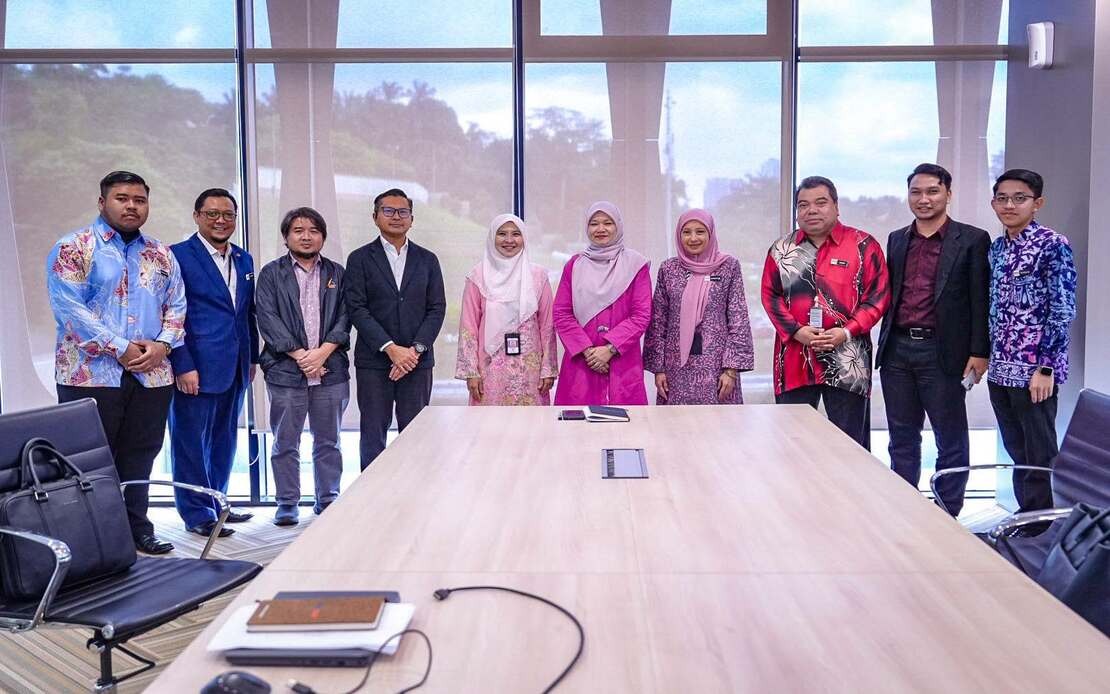
Malaysia's Education Ministry has committed to launching broad-based advocacy initiatives aimed at educating stakeholders about three critical pieces of child protection legislation. The programmes will cover the Child Act 2001, the Anti-Bullying Act 2026, and the Sexual Offences Against Children Act 2017, with rollout planned across schools nationwide. Education Minister Fadhlina Sidek announced the initiative following high-level discussions with Malaysia's Human Rights Commission, signalling a coordinated government approach to strengthening safeguards for young people in educational settings.
The collaborative effort brings together two significant institutional players in Malaysia's child welfare framework. SUHAKAM's delegation, led by Children's Commissioner Dr Farah Nini Dusuki and Dr Mohd Al Adib Samuri, met with the Education Ministry to forge closer working relationships on child protection matters. This partnership reflects recognition that awareness of existing laws remains insufficient among educators, parents, and students themselves, despite the legislation being on the statute books for several years in some cases.
The timing of this initiative carries particular significance given Malaysia's ongoing struggles with bullying and sexual harassment in educational environments. Schools across the country have reported incidents ranging from physical intimidation to cyberbullying, with some cases escalating to serious criminal matters. By systematically introducing advocacy programmes across the education sector, the government aims to shift from reactive responses to proactive prevention and awareness-building. Students, teachers, and school administrators will gain clearer understanding of their rights and responsibilities under these laws.
The Anti-Bullying Act 2026, being the most recent legislation among the three, represents Malaysia's legislative response to a problem that has become increasingly visible through social media and news reports. The Act provides a framework for addressing bullying in schools, but effective implementation depends heavily on awareness among those who must enforce and comply with it. Teachers need to recognise the legal definitions of bullying; students need to understand what constitutes reportable conduct; and parents require knowledge of their child's protections under law. The advocacy programmes will bridge these knowledge gaps systematically.
Similarly, the Sexual Offences Against Children Act 2017 criminalises a range of harmful behaviours and establishes protocols for protecting young people from sexual exploitation and abuse. Yet research suggests that many Malaysians remain unfamiliar with its specific provisions, which can include online offences and grooming behaviour. Enhanced awareness campaigns will help parents recognise warning signs of potential abuse and empower children to report inappropriate conduct by trusted adults or peers. Schools serve as ideal venues for disseminating this critical information, as educators have daily contact with young people and can reinforce protective messaging.
The Child Act 2001, while longer-established than its companion legislation, continues to require reinforcement and broader understanding. The Act provides comprehensive protection for children's rights across multiple domains including education, health, and safety from exploitation. However, implementation has been inconsistent across different states and institutions. Systematic advocacy through the education sector will help standardise understanding of children's entitlements and parental obligations, creating more uniform protection nationwide.
Fadhlina's emphasis on creating a safe learning environment reflects international best practices in child protection. Countries with lower rates of school-based violence and harassment typically implement comprehensive, multilayered awareness programmes combined with strong enforcement mechanisms. Malaysia's approach of partnering the Education Ministry with SUHAKAM follows this model, leveraging the ministry's reach into schools and SUHAKAM's expertise in human rights advocacy and child protection. This institutional collaboration signals commitment beyond rhetoric to sustained, coordinated action.
The broader context for this initiative includes growing public concern about child safety in Malaysia. Media reports of bullying incidents leading to serious harm, sexual abuse cases, and exploitation have prompted calls for stronger protective measures. While legislative frameworks exist, the gap between law and lived reality remains substantial. Advocacy programmes represent an attempt to narrow this gap by changing behaviour and institutional culture within schools. When teachers, students, and parents understand legal protections and obligations, enforcement becomes more effective and preventive capacity increases.
For Malaysian educators, these programmes will provide professional development on recognising and responding to concerning behaviours within legal frameworks. Teachers often find themselves unsure about their reporting obligations, the distinction between minor misconduct and criminal conduct, and appropriate interventions. Structured training based on these three key laws will clarify their roles and responsibilities. This clarity benefits teachers by providing legal protection when they act in good faith to report concerns, and benefits children by ensuring consistent, informed responses to harmful situations.
The timing also reflects Malaysia's international obligations and commitments regarding child protection. As a signatory to the Convention on the Rights of the Child and other human rights instruments, Malaysia faces expectations to translate legal commitments into practical protection. Advocacy programmes demonstrate active implementation of existing laws rather than passive legislative compliance. For Malaysia's standing in regional and international human rights assessments, such visible commitment to child protection matters significantly.
Stakeholder engagement will prove critical to the success of these advocacy initiatives. Beyond the Education Ministry and SUHAKAM, effective rollout requires cooperation from state education departments, school principals, teacher unions, parent-teacher associations, and non-governmental organisations working in child protection. The ministry's approach of framing this as a collaborative initiative rather than top-down directive increases likelihood of genuine institutional buy-in and sustained implementation. Schools that understand the rationale behind these programmes, rather than viewing them merely as compliance requirements, will implement them more effectively.
For parents and broader Malaysian society, these programmes represent an opportunity to develop collective understanding of how laws protect their children. Parental awareness of the Anti-Bullying Act, the Sexual Offences Against Children Act, and the Child Act can translate into better home-based supervision, more informed conversations with children about safety, and confidence in knowing which agencies to contact when concerns arise. The Education Ministry's commitment to rolling out this advocacy suggests the programmes will extend beyond schools to reach families through various channels.
Moving forward, measuring the effectiveness of these advocacy initiatives will determine whether they deliver meaningful improvements in child safety. Baseline studies of awareness levels before and after the programmes, monitoring of incident reporting rates, and feedback from school communities will provide evidence of impact. The ministry and SUHAKAM should establish clear metrics and evaluation mechanisms to ensure accountability and identify areas requiring additional focus. This data-driven approach would strengthen ongoing efforts and provide evidence for scaling successful elements across the education sector.

