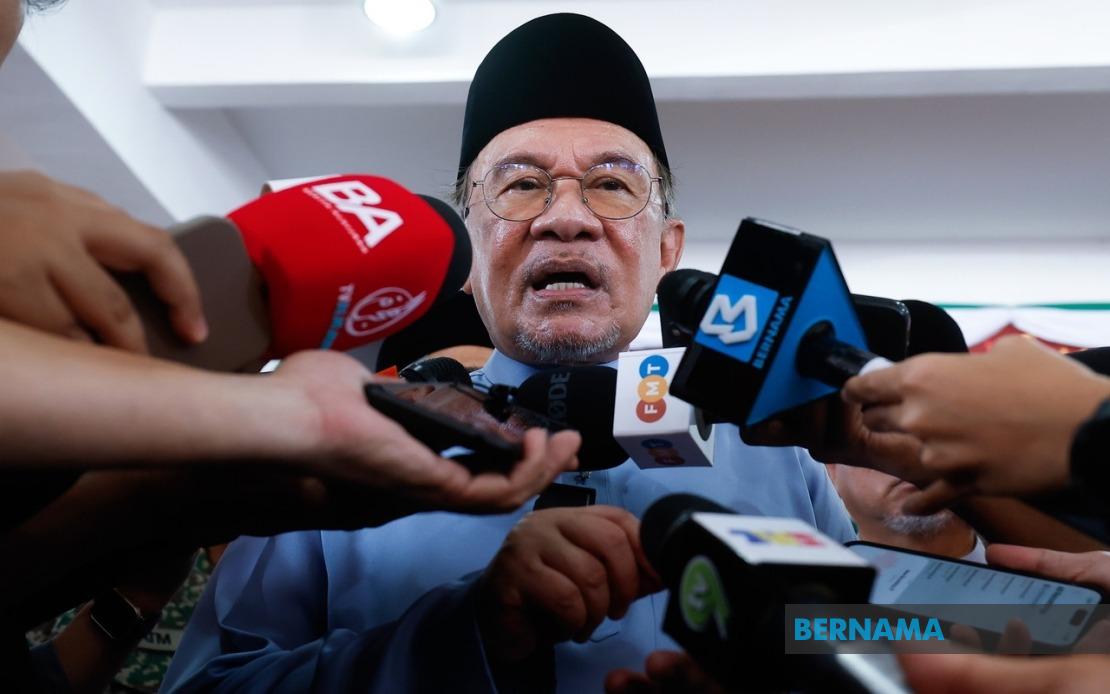
Prime Minister Datuk Seri Anwar Ibrahim has committed the government to sustained negotiations with the United States over tariffs recently imposed on Malaysia, signalling that discussions will intensify if current outcomes prove inadequate for protecting national economic interests. Addressing journalists during an event at the Army Basic Training Centre (PUSASDA) in Port Dickson, Anwar conveyed measured optimism about Malaysia's position within the broader tariff framework, while simultaneously indicating readiness to escalate diplomatic efforts should circumstances warrant further intervention.
The tariff matter centres on Malaysia's compliance with international standards regarding the prohibition of goods manufactured through forced labour. The United States, through its Trade Representative Ambassador Jamieson Greer, implemented new Section 301 duties across 60 economies following investigations determining insufficient enforcement mechanisms. Malaysia, alongside Cambodia and Indonesia, received the lowest applicable rate of 10 per cent, reflecting a relative position of advantage compared to the 12.5 per cent duty imposed on most other nations subjected to these sanctions.
Anwar attributed the comparatively lenient tariff classification to ongoing diplomatic efforts spearheaded by Minister of Investment, Trade and Industry Datuk Seri Johari Abdul Ghani. The Prime Minister's remarks indicate that Malaysia's negotiating team has already achieved a degree of success in positioning the country favourably within the tiered tariff structure. Nevertheless, his statement that "further negotiations would continue" suggests the government views the current arrangement as potentially transitional rather than a final settlement, with officials reserving the right to pursue additional concessions.
The forced labour issue represents a significant vulnerability for Malaysian manufacturing and export sectors, particularly given the country's substantial presence in labour-intensive industries such as electronics, textiles, and palm oil production. The United States determination that Malaysia had failed to effectively implement and enforce bans on forced labour imports carries reputational implications beyond the immediate financial impact of tariffs. For Malaysian policymakers, addressing these compliance gaps has become essential not merely to reduce tariff exposure but to signal commitment to international labour standards and protect market access more broadly.
The strategic context of these negotiations extends beyond bilateral Malaysia-US relations. The tariff action reflects broader American scrutiny of global supply chains and labour practices, a theme increasingly prevalent in Washington's trade policy framework. Malaysia's relatively favourable tariff classification, shared only with Cambodia and Indonesia among ASEAN members, positions the country within a select group, yet simultaneously highlights the vulnerability of regional producers to future tariff escalations should enforcement standards be deemed inadequate.
Anwar's public assurance that Malaysia remains "relieved that the tariff is relatively low" serves a dual purpose domestically and internationally. For local stakeholders, particularly exporters and manufacturers, such statements provide reassurance that government engagement has yielded tangible benefits. Internationally, the measured tone conveys Malaysia's pragmatic acceptance of the tariff regime while preserving diplomatic flexibility to challenge or modify terms should negotiations progress favourably.
The involvement of Johari Abdul Ghani in direct negotiations underscores the issue's significance within Malaysia's trade and investment portfolio. As the minister responsible for these portfolios, Johari's role places responsibility squarely within a dedicated institutional framework rather than ad hoc diplomatic channels. This structural arrangement suggests Malaysia approaches the negotiations as a sustained, professional engagement requiring specialised expertise in trade law and international commerce.
Malaysia's eligibility for consideration under a tariff-rate quota programme represents an additional dimension to these discussions. This mechanism, designed to encourage greater utilisation of American cotton and textile products within Malaysian manufacturing, introduces reciprocal elements to the relationship. By potentially expanding imports of US inputs, Malaysian producers could access preferential tariff treatment, creating incentive structures that align commercial interests with compliance objectives.
The broader regional context proves noteworthy for understanding Malaysia's bargaining position. As ASEAN seeks greater cohesion on trade matters and collective engagement with major trading partners, Malaysia's experience navigating US tariff frameworks carries implications for the region. Cambodia and Indonesia's parallel positioning under identical duty rates suggests either coordinated regional responses or independent but convergent assessments by American authorities regarding ASEAN economies' forced labour compliance.
For Malaysian businesses, the tariff situation introduces both immediate cost considerations and longer-term strategic planning requirements. While the 10 per cent rate represents a material expense increase compared to zero tariff conditions, manufacturers must assess whether operational adjustments, supply chain reconfiguration, or enhanced forced labour monitoring represent viable responses. These decisions ripple across employment, productivity, and competitiveness metrics throughout the sector.
Anwar's public commitment to persistence in negotiations carries significance beyond the immediate tariff dispute. The statement reinforces the government's dedication to defending economic interests through diplomatic channels rather than confrontational posturing. This approach aligns with Malaysia's broader foreign policy orientation emphasising multilateral engagement and rule-based international commerce, even when outcomes prove suboptimal.
Moving forward, the trajectory of these negotiations will likely depend on Malaysia's demonstrable progress in implementing and enforcing forced labour prohibitions. The government's messaging regarding continued talks should therefore be interpreted within this context: diplomatic engagement proceeds in tandem with substantive reforms addressing the underlying compliance concerns. Success in negotiations may ultimately correlate with verifiable improvements in Malaysia's labour standards enforcement infrastructure and practices.

