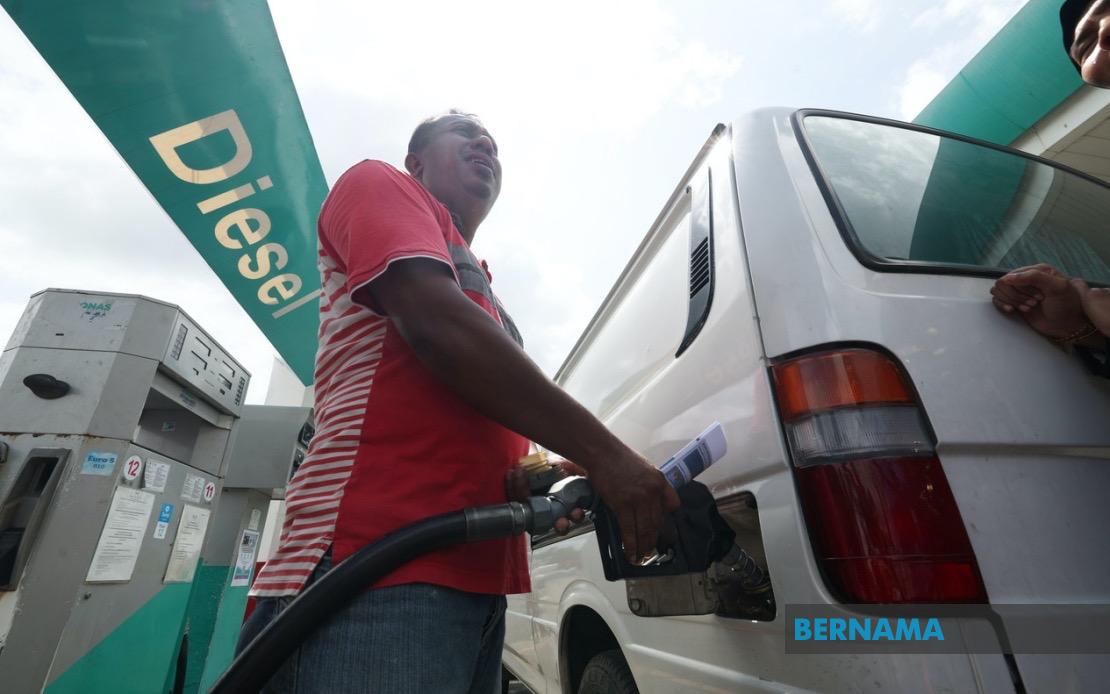
Malaysia's government will implement a significant adjustment to diesel pricing beginning July 2026, with subsidised fuel available to eligible citizens at RM2.10 per litre, according to an announcement by Prime Minister Datuk Seri Anwar Ibrahim. The decision represents a strategic pivot in how the nation manages fuel subsidies, shifting toward a more targeted approach designed to ensure benefits reach intended recipients while managing the considerable fiscal burden these programmes place on the national budget.
The pricing structure aligns with the MADANI Government's broader subsidy reform agenda, which has prioritised efficiency and sustainability in public spending. Under this new framework, the distribution of subsidised diesel will operate similarly to the existing BUDI MADANI RON95 scheme for petrol, utilising MyKad identification verification to confirm eligibility and prevent misuse. This mechanism addresses longstanding concerns about subsidy leakage, where fuel intended for domestic consumers is diverted to commercial operators or smuggled across borders to neighbouring countries, particularly Thailand.
The targeted subsidy model represents a departure from blanket fuel pricing controls that previously applied equally across the population regardless of income or consumption patterns. By limiting heavily subsidised diesel access to verified Malaysian citizens, the government aims to protect vulnerable populations and moderate-income earners while reducing the drain on federal finances. Such precision in subsidy delivery has become increasingly important as Malaysia's fiscal position tightens and competing demands for government spending intensify across healthcare, education, and infrastructure development.
Finance Minister II Datuk Seri Amir Hamzah Azizan will provide comprehensive details regarding implementation procedures during a media briefing scheduled for Kuala Lumpur. This additional explanation from the finance ministry underscores the complexity of rolling out a nationwide subsidy scheme that requires coordination between multiple agencies, including the Ministry of Domestic Trade and Cost of Living, the Malaysian Petroleum Resource Corporation, and various fuel distribution networks. Stakeholders across the supply chain need clear guidance on verification protocols, pricing mechanisms, and transition arrangements.
The announcement carries particular significance for Malaysian businesses and transport operators, who constitute substantial diesel consumers for heavy vehicles, generators, and industrial applications. The availability of subsidised fuel at RM2.10 per litre could provide some relief to logistics companies and manufacturers grappling with elevated operational costs. However, the verification requirement through MyKad may create friction if commercial operators face restrictions or procedural complications in accessing the subsidised rate, potentially necessitating a separate arrangement for legitimate business use.
For Malaysia's broader economy, diesel pricing policy remains strategically consequential. The transport and logistics sector, critical to the nation's export competitiveness and domestic supply chains, remains vulnerable to fuel cost fluctuations. A subsidised diesel price that remains reasonably stable provides predictability for businesses planning operations and setting prices for goods and services. Yet the fiscal cost of sustaining such subsidies continues to constrain government flexibility in other policy areas, creating ongoing tension between immediate relief and long-term fiscal sustainability.
The timing of this announcement, delivered during an official ceremony in Bintulu related to port authority transitions, indicates the government's commitment to communicating subsidy policy changes directly to stakeholders and the public. By situating the announcement within a broader development context—the conversion of Bintulu Port from federal to state management—the government frames fuel pricing within wider narratives of regional development and economic transformation in Sarawak.
Regional dynamics further contextualise Malaysia's subsidy decisions. Neighbouring countries with differing fuel pricing policies create arbitrage opportunities that require careful management. Thailand's retail diesel prices and broader ASEAN market conditions influence Malaysian consumers' purchasing decisions and expectations. The targeted subsidy approach, combined with MyKad verification, represents Malaysia's attempt to balance domestic affordability concerns with the economic realities of maintaining expensive price supports in an increasingly integrated regional market.
Implementation success will depend heavily on the technological and administrative systems deployed to verify eligibility in real time across petrol stations nationwide. The BUDI95 programme for petrol has operated for several years, providing operational experience and lessons that should inform diesel subsidy administration. However, diesel distribution networks differ substantially from petrol networks, with significant quantities supplied to commercial users, fleet operators, and industrial consumers, requiring distinct verification and tracking mechanisms.
The reduction to RM2.10 per litre represents a measured approach rather than an immediate subsidy elimination, acknowledging the economic hardship that sudden fuel price spikes impose on transport-dependent communities and small businesses. Phased, predictable changes allow economic actors to adjust their cost structures and business models incrementally, reducing the shock associated with abrupt price adjustments that can cascade through supply chains and contribute to inflation.
Looking forward, the success of this targeted diesel subsidy model will generate important policy lessons for Malaysian policymakers evaluating broader subsidy reform across multiple sectors. If verification systems prove effective, administrative costs remain manageable, and leakage substantially decreases, similar approaches might extend to other commodities and services where universal subsidies currently drain government resources. Conversely, implementation challenges could inform more cautious approaches to subsidy targeting in future policy adjustments.

