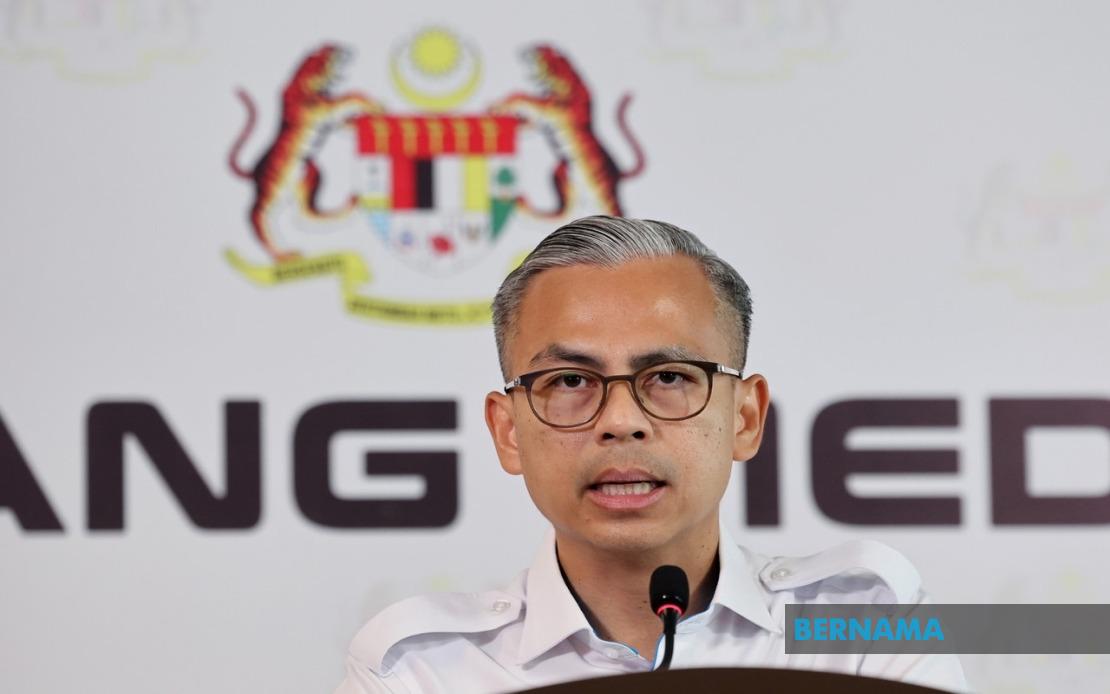
The Malaysian government has resolved to establish a comprehensive regulatory framework for e-commerce platforms, requiring them to register with authorities as part of broader consumer protection measures. Communications Minister Datuk Seri Fahmi Fadzil made the announcement following a Cabinet meeting in Putrajaya on August 26, revealing that the Finance Ministry and Ministry of Communications will collaborate on implementation. The initiative stems from mounting public concerns escalated to Prime Minister Datuk Seri Anwar Ibrahim, encompassing complaints from individual consumers, platform operators themselves, and traditional brick-and-mortar retailers who feel disadvantaged by unregulated online competition.
The thrust of the government's approach centres on addressing specific vulnerabilities in the current e-commerce ecosystem that have generated public alarm. Consumer complaints have flagged the sale of electrical and electronic products that fail to meet established safety standards, a particularly serious concern given the potential fire and injury hazards associated with non-compliant appliances and gadgets. Equally troubling for Malaysian consumers are questions surrounding the halal status of products listed on these platforms—an issue of religious and cultural significance for the Muslim-majority population. Fahmi stressed that consumer protection remains the administration's paramount objective, with any regulatory intervention designed specifically to safeguard buyers rather than to penalise legitimate platform operators.
Clarifying the government's intentions, Fahmi explicitly stated that authorities harbour no desire to shut down e-commerce platforms or impose blanket restrictions on their operations. Instead, the emphasis falls on ensuring that merchandise made available through these channels adheres to Malaysia's established product standards and regulatory requirements. For electrical and electronic items, compliance with standards promulgated by SIRIM (Standards and Industrial Research Institute of Malaysia) becomes mandatory. Similarly, products claiming halal certification must conform to Malaysia's recognised halal standards, protecting consumers from misleading or fraudulent labelling that could undermine trust in the halal certification system.
The regulatory infrastructure for implementing these measures already exists in fragmented form across multiple government agencies, providing a foundation upon which the new framework can be constructed. The Finance Ministry and Inland Revenue Board already operate their own registration systems that could be leveraged or harmonised. The Malaysian Communications and Multimedia Commission has established experience through its recent licensing regime for social media platforms, offering institutional knowledge and procedural templates applicable to the e-commerce sector. This multi-agency approach reflects the complex, overlapping jurisdictions involved in regulating digital commerce, where consumer safety, taxation, telecommunications, and religious compliance intersect.
Engagement with industry stakeholders forms a critical component of the rollout strategy. Fahmi signalled that both the Finance Ministry and MCMC intend to conduct workshops and consultative sessions with e-commerce platform operators, drawing lessons from the social media licensing framework that has already required platforms to justify their moderation approaches and compliance mechanisms. This consultative process aims to develop workable registration procedures that balance regulatory objectives with operational feasibility, avoiding the pitfall of imposing requirements so onerous that they accidentally discourage legitimate businesses or drive commerce to unregulated channels.
The empirical case for intervention has been reinforced by data compiled by MCMC documenting the frequency and nature of consumer grievances. From January 1 through August 25, 2025, the commission received 1,964 complaints related to e-commerce platform transactions or activities. The volume has accelerated markedly during 2025, with 1,147 complaints lodged in that year alone compared to 817 received across the entire previous period cited. Of these complaints, 191 specifically involved electrical or electronic products, validating concerns about non-compliant goods. Only four complaints directly addressed halal certification authenticity issues, yet the strategic importance of protecting Malaysia's halal brand from misuse extends beyond raw complaint volumes, as reputational damage could undermine the nation's standing in halal-conscious markets worldwide.
The complaints also encompassed a broader category of fraudulent activity, with scams representing a significant subset of reported problems. MCMC continues active investigation into 118 complaints that remain unresolved, suggesting that the complaint volume reflects genuine ongoing problems rather than isolated incidents. This investigative pipeline indicates capacity constraints within the regulatory apparatus—a factor that registration and licensing requirements might either exacerbate or alleviate depending on how the system is designed and resourced.
For Malaysian consumers, the proposed regulatory changes offer potential benefits aligned with international best practices in digital commerce governance. Consumers gain assurance that products offered on major platforms have undergone some form of vetting process, particularly regarding safety-critical items like electronics. Halal consumers receive protection against counterfeit or misleading halal claims that might otherwise proliferate unchecked on unregulated marketplaces. However, regulatory costs inevitably flow through supply chains, potentially raising consumer prices unless enforcement focuses on eliminating truly non-compliant actors rather than merely multiplying compliance burdens on responsible operators.
The initiative sits within Malaysia's broader digital economy governance agenda, where policymakers have grappled with balancing innovation and commerce expansion against consumer protection and regulatory oversight. Unlike some jurisdictions that have adopted hands-off approaches, Malaysia is edging towards the regulatory middle ground adopted by Singapore and other advanced Southeast Asian economies—establishing clear rules while engaging stakeholders collaboratively rather than imposing requirements unilaterally. The e-commerce framework under development will likely establish precedent for how Malaysia regulates other digital platforms and services.
For regional competitors and traders across Southeast Asia, Malaysia's registration requirements carry implications for platform architecture and compliance strategies. Platforms serving Malaysian consumers will need to implement additional registration procedures, potentially different from those required in Thailand, Indonesia, or Vietnam. This fragmentation across the region reflects the absence of harmonised digital commerce standards within ASEAN, placing operational burdens on cross-border platforms while potentially offering protection to domestic operators familiar with local regulatory nuances. As Malaysia implements this framework, other Southeast Asian governments will likely monitor outcomes to inform their own regulatory decisions.
The timeline for implementation remains unspecified, with Fahmi indicating only that immediate steps would be taken to introduce the measures. The consultation phase with platform operators will likely extend several months before regulatory requirements crystallise into enforceable rules. During this interval, compliance costs and procedural requirements will be negotiated between government agencies and industry representatives, with the final design reflecting compromises between maximal consumer protection and operational feasibility. The success of this regulatory initiative will ultimately depend on whether it effectively eliminates genuinely harmful products and practices without inadvertently creating barriers that fragment Malaysia's e-commerce market or push transactions towards informal, entirely unregulated channels.

