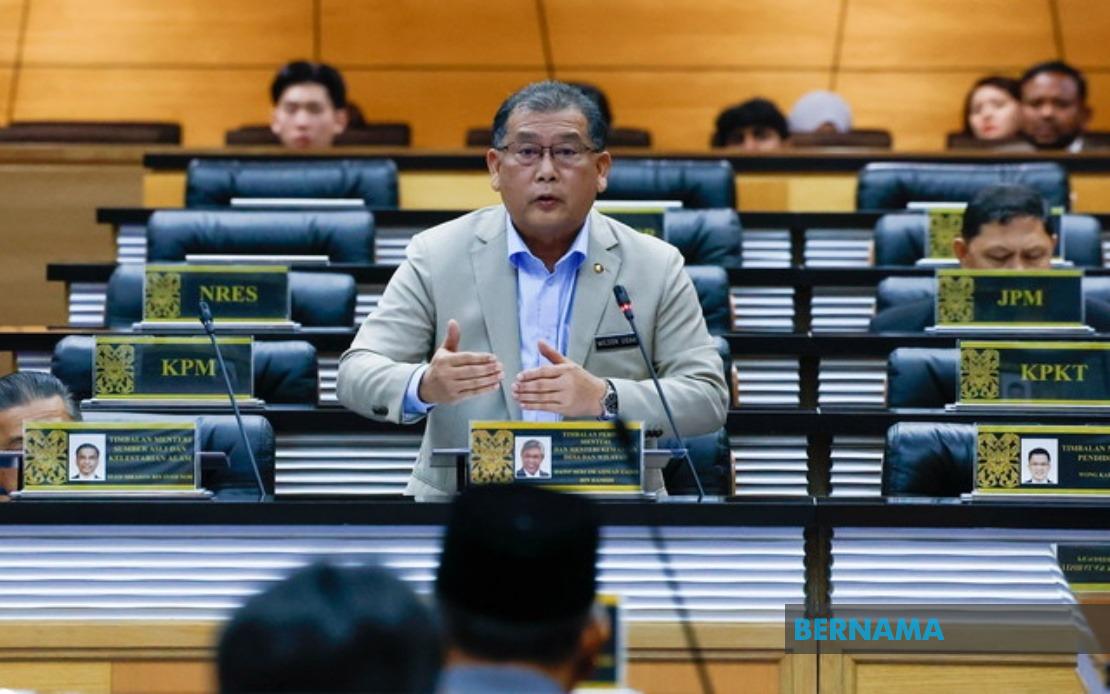
Malaysia's disaster management infrastructure is undergoing a significant overhaul with the planned rollout of 15 permanent disaster relief centres (PPKB) spanning nine states, beginning this year. The initiative represents a fundamental shift in how the nation prepares for and responds to natural disasters, particularly the devastating seasonal floods that regularly affect vulnerable communities. Datuk Wilson Ugak Kumbong, representing the Ministry of Rural and Regional Development, announced the phased implementation during a parliamentary session, signalling the government's commitment to building more resilient disaster response mechanisms across the country.
The development trajectory for these facilities reveals an ambitious yet realistic timeline. Two centres in Johor and Pahang have achieved full operational status, positioning them as blueprints for subsequent installations. Nine additional facilities are currently under active construction, while four more remain in the crucial planning and procurement phases. This staggered approach allows authorities to refine operational procedures based on early deployments, ensuring that later-stage facilities incorporate lessons learned from initial implementations. The geographical distribution across nine states acknowledges the diverse disaster vulnerabilities across Malaysia, recognizing that flood patterns and seasonal risks vary significantly between coastal, highland, and lowland regions.
The concept underpinning these permanent centres addresses a persistent challenge within Malaysia's disaster response framework. Traditionally, schools have served as makeshift relief shelters during emergencies, a practice that inevitably disrupts the academic calendar and forces students to miss critical instructional time. This dual-use model, introduced in 2023, transforms dedicated facilities into community assets during normal periods, eliminating wasteful vacancy while maintaining emergency readiness. When disasters strike, these centres activate immediately without the logistical complications of clearing school buildings or establishing temporary infrastructure. The approach reflects contemporary thinking in disaster management, where preparedness and normal-time utility are seamlessly integrated rather than treated as competing priorities.
Each permanent relief centre incorporates comprehensive facilities designed to accommodate substantial displaced populations with dignity and care. The open hall configuration can shelter up to 500 victims simultaneously, while dedicated dining facilities and kitchen areas ensure adequate nutrition during crises. Treatment rooms address immediate medical needs, recognizing that disaster-affected communities often face health vulnerabilities. Critically, the centres include accessible facilities for persons with disabilities, toilets catering to diverse needs, prayer spaces, and psychologically sensitive environments for vulnerable groups including children and elderly evacuees. This thoughtful design acknowledges that emergency shelters serve not merely as temporary housing but as spaces profoundly affecting the mental and physical wellbeing of crisis-affected communities.
Site selection for these facilities follows a strategic methodology grounded in empirical flood risk assessment. Priority has been given to localities with documented histories of severe flooding, ensuring that infrastructure investment directly addresses communities facing greatest danger. However, the evaluation process transcends local decision-making, requiring proposals to navigate the State Disaster Management Committee before reaching the National Disaster Management Agency (NADMA) for comprehensive assessment and final approval. This layered approval structure balances state-level knowledge of regional vulnerabilities with national capacity for standardization and quality assurance, preventing politically motivated placement while ensuring facilities are genuinely needed.
Simultaneously, authorities are addressing immediate preparedness gaps through targeted resource allocation to existing temporary shelter infrastructure. NADMA approved RM4.44 million in April for upgrading facilities at 25 designated temporary relief sites operating under Ministry of Education supervision. These enhancements maximize the utility of currently deployed shelter networks whilst permanent facilities come online. Additionally, the government provides maintenance and minor repair funding up to RM50,000 for shelters activated following the Northeast Monsoon season, a critical intervention ensuring that structures used during seasonal disasters remain in optimal condition for subsequent emergencies. This layered investment approach prevents infrastructure degradation that commonly occurs when facilities experience intensive emergency use followed by extended dormancy.
For Malaysian disaster-prone states like those in the eastern coast experiencing regular flooding, this infrastructure development carries substantial implications. The permanent centres promise to accelerate response times, as facilities need only be activated rather than hastily established during crisis conditions. Communities in frequently affected areas gain assurance that their displaced neighbours will access coordinated shelter with proper sanitation, meals, and medical support rather than congregating in overcrowded schools. The predictability of response infrastructure builds community confidence in government preparedness, encouraging residents to evacuate proactively rather than remaining in dangerous conditions due to anxiety about shelter adequacy.
The initiative also addresses longstanding inefficiencies in resource coordination during disasters. Purpose-built centres with designated storage spaces for emergency supplies eliminate the chaos of improvised logistics and ensure that aid distribution follows systematic protocols. Training personnel specifically for permanent facility management creates specialist disaster response cadres, improving operational consistency across different emergency events. The specialization contrasts sharply with ad hoc arrangements where school administrators suddenly assume shelter management responsibilities without specific preparation.
Regional competitiveness has emerged as an unstated dimension of this expansion. Singapore and Thailand maintain sophisticated emergency management infrastructure, and Malaysia's investment in permanent disaster relief infrastructure positions the country more favourably within regional comparisons of disaster preparedness. For Southeast Asia's increasingly urbanized and climate-vulnerable nations, Malaysia's model demonstrates that systematic infrastructure investment can institutionalize disaster response rather than relegating crisis management to reactive improvisation.
Government officials have emphasized that disaster management cannot rest solely on NADMA's institutional shoulders. The deputy minister underscored a comprehensive whole-of-government and whole-of-society approach requiring coordination among federal and state governments, private sector participation, and community engagement. This philosophy reflects recognition that effective disaster response demands voluntary cooperation from businesses providing resources, community organizations mobilizing local support, and citizens understanding their roles during emergencies. Private companies can contribute logistical expertise, supply chains, and volunteer personnel, whilst community leaders ensure information flows and maintain social cohesion during displacement.
Looking forward, NADMA is negotiating development allocations for constructing subsequent-phase facilities nationwide, with particular attention to Perak and other underserved regions. The procurement process, though necessarily deliberate, should accelerate as established designs reduce planning complexity. Within several years, Malaysia's disaster relief infrastructure will comprise a network of purpose-built facilities strategically positioned across vulnerable areas, fundamentally transforming how the nation shelters its most vulnerable citizens during natural disasters. The transition from school-dependent emergency sheltering to dedicated community facilities represents institutional maturation in disaster governance, reflecting hard lessons learned from successive seasonal flood events and a determined commitment to reducing human suffering during inevitable future disasters.

