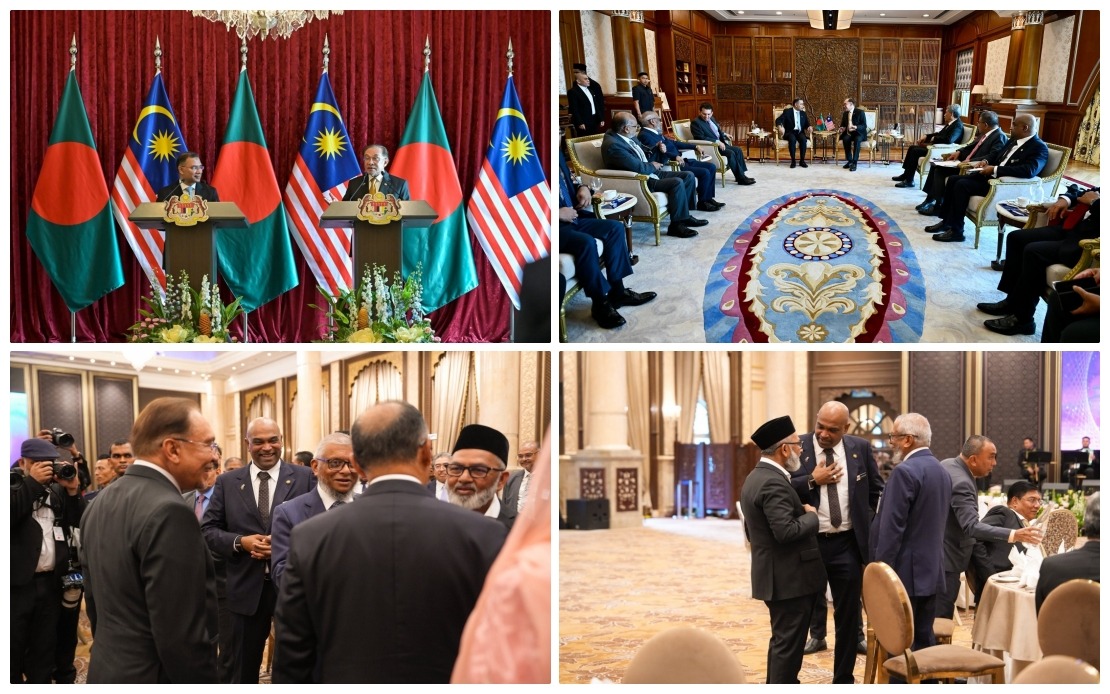
Malaysia and Bangladesh have committed to establishing a Joint Working Group aimed at safeguarding the integrity of labour migration between the two nations. The initiative emerged from high-level bilateral talks between Prime Minister Datuk Seri Anwar Ibrahim and visiting Bangladeshi counterpart Tarique Rahman, signalling strengthened diplomatic ties and shared concern over worker exploitation. The announcement underscores growing recognition in Southeast Asia that the recruitment of migrant labour demands rigorous governance structures to protect vulnerable workers while meeting legitimate economic needs.
Datak Seri R. Ramanan, the Human Resources Minister, pledged that Malaysia's Ministry of Human Resources (KESUMA) would intensify efforts to oversee foreign worker recruitment with greater rigour and transparency. His commitment reflects Malaysia's stated intention to align recruitment practices with international standards on worker protection, particularly given the scale of Bangladeshi labour inflow into the Malaysian economy. The minister's public statement, issued through official channels, represents a formal acknowledgement that gaps in governance have previously enabled malpractice and that corrective measures are now institutional priorities.
Bangladesh ranks among Malaysia's primary sources of migrant workers, supplying significant labour to construction, manufacturing, plantation, and domestic service sectors. This dependency makes bilateral cooperation essential, as disruptions to migration flows could disrupt Malaysian industries reliant on foreign labour. Conversely, ensuring ethical recruitment protects Bangladesh's reputation and safeguards its citizens abroad from the documented risks of wage theft, contract substitution, unsafe working conditions, and physical abuse that have historically plagued informal recruitment networks.
The newly established Joint Working Group will undertake a comprehensive evaluation of the existing Memorandum of Understanding governing labour migration between the two countries. This review process is critical, as the current framework may contain outdated provisions that fail to address contemporary challenges such as digital wage payment systems, the rights of female migrant workers, and enforcement mechanisms for breaches. By examining the existing arrangement critically, both nations can identify specific weaknesses and design more robust protections.
Beyond assessment, the Joint Working Group's mandate includes drafting a modernised Memorandum of Understanding that reflects present-day labour market dynamics and international best practices. This updated agreement will likely incorporate stronger provisions around contract transparency, employer verification, worker grievance mechanisms, and dispute resolution processes. Such upgrades are particularly important as Malaysia's labour-importing sectors have evolved, with service industries and professional roles now supplementing traditional manufacturing and agriculture roles.
The timing of this initiative coincides with Tarique's first official bilateral visit abroad since assuming the Bangladesh premiership in February, highlighting the political importance both governments attach to stable labour migration relations. For Anwar's administration, demonstrating commitment to ethical worker recruitment serves multiple purposes: it addresses international criticism regarding migrant worker welfare, strengthens Malaysia's standing among source countries, and reinforces the government's stated commitment to rule of law and ethical governance across all sectors.
Worker welfare represents a central pillar of the envisioned cooperation framework. Malaysian employers have faced repeated allegations of underpaying, overworking, and confining foreign workers, while recruitment agents in both countries have been implicated in documenting cases of contract fraud and debt bondage arrangements. The Joint Working Group's focus on welfare mechanisms suggests both governments recognise that transparency alone is insufficient—active monitoring, complaint channels, and enforcement authority are essential complements to written agreements.
The commitment to ethical recruitment further addresses concerns regarding discrimination and exploitation rooted in vulnerability. Bangladeshi workers, particularly women entering domestic service, face heightened risks of wage withholding, movement restrictions, and sexual harassment. Enhanced governance mechanisms can theoretically reduce these risks through pre-departure training, employer vetting, and accessible complaint mechanisms that do not jeopardise workers' legal status or employment contracts.
From a Malaysian economic perspective, formalising recruitment governance serves long-term interests. Sectors dependent on migrant labour benefit from stable, predictable supply chains; countries facing chronic labour shortages risk industrial disruption if source nations restrict emigration due to documented abuse. Bangladesh has in the past threatened to suspend worker exports to countries with poor treatment records, making governance improvements an investment in Malaysian economic stability.
The initiative also reflects evolving regional norms around migration management. ASEAN member states increasingly recognise that competition for migrant workers—and potential source country retaliation—creates mutual incentives for elevated standards. Malaysia's proactive stance here may influence other labour-importing nations in the region to similarly upgrade their recruitment oversight, contributing to a gradual elevation of baseline protections across Southeast Asia.
Implementing these governance enhancements will require sustained political will and institutional capacity-building. KESUMA must expand its monitoring and enforcement apparatus to effectively inspect worksites, investigate complaints, and sanction errant employers and recruiters. Similarly, Bangladesh's expatriate welfare ministry requires resources to conduct pre-departure briefings, maintain liaison offices in Malaysia, and provide emergency assistance to workers in distress. The Joint Working Group's success ultimately depends on both governments allocating sufficient budgets and personnel to translate agreements into tangible protections.
The path forward entails translating diplomatic commitment into operational reality. As the Joint Working Group convenes to evaluate existing arrangements and draft modernised terms, the genuine test will emerge in implementation—whether the resulting mechanisms effectively prevent exploitation, provide accessible recourse for aggrieved workers, and hold recruiters and employers accountable. For Malaysian readers, the stakes are substantial: improved governance can reduce reputational damage to Malaysia's business environment, stabilise labour supply, and demonstrate that economic growth need not come at the cost of human dignity.

