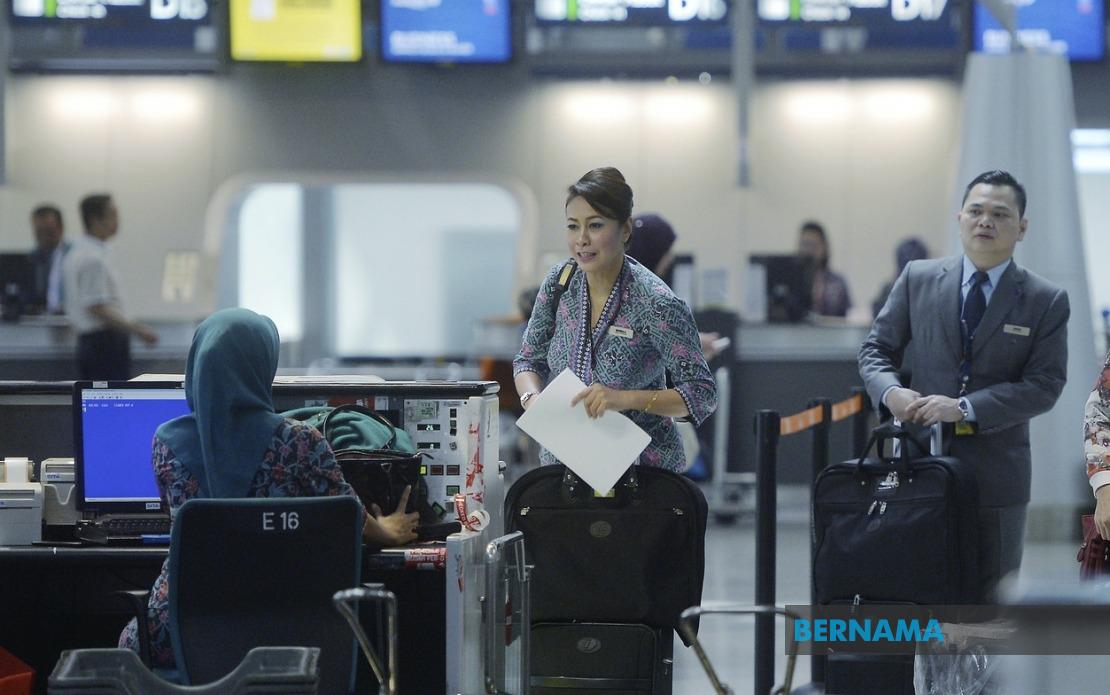
Malaysia's aviation security framework is set for significant upgrades as authorities respond to a high-profile drug smuggling case that exposed potential vulnerabilities in existing screening protocols. The Malaysian Border Control and Protection Agency (AKPS) has announced plans to enhance security procedures affecting pilots and flight crew at airports across the country, signalling a coordinated effort between government bodies to prevent similar incidents in future.
The decision follows a collaborative meeting led by Transport Ministry secretary-general Datuk Seri Jana Santhiran Muniayan, which brought together AKPS, the Royal Malaysia Police (PDRM), and Malaysia Aviation Group (MAG) to conduct a comprehensive review of current airport security measures. The involvement of Malaysia's largest airline group underscores the aviation industry's commitment to strengthening safeguards, though the incident has raised uncomfortable questions about the effectiveness of existing systems at one of Southeast Asia's busiest aviation hubs.
The catalyst for this security overhaul was the arrest of a 39-year-old Malaysian pilot in Indonesia on July 29, who allegedly attempted to smuggle approximately 25 kilogrammes of ecstasy worth around Rp60 billion into the country. The pilot, who had just arrived at Soekarno-Hatta International Airport in Jakarta following an international passenger flight from Kuala Lumpur, was apprehended with the drugs concealed in his luggage. Indonesia's Director-General of Customs and Excise, Djaka Budi Utama, confirmed the arrest and the discovery, adding another troubling dimension to regional drug trafficking concerns.
What makes this case particularly significant for Malaysian aviation authorities is the fact that the suspect successfully cleared all security screening procedures at Kuala Lumpur International Airport (KLIA) before departure on July 28. According to AKPS director-general Datuk Seri Mohd Shuhaily Mohd Zain, routine scanning of both the suspect's luggage and person revealed no suspicious imagery that would have triggered additional investigation or detention. The pilot passed standard security protocols without raising any red flags, suggesting that current detection methods may have substantial limitations or that screening procedures require more rigorous implementation.
This security gap is particularly concerning given the trust placed in aviation personnel. Pilots and crew members occupy positions of responsibility within the aviation system, and their movements through airports typically involve different access protocols compared to ordinary passengers. The fact that someone in such a role could potentially exploit existing security loopholes highlights the need for more comprehensive vetting procedures specifically tailored to aviation staff rather than relying solely on the same scanning equipment used for general passenger screening.
Mohd Shuhaily indicated that all relevant agencies are treating the incident with appropriate gravity. He stated that more comprehensive screening procedures for all pilots, crew members, and airport staff will be implemented in the near future, though he did not specify a timeline for these enhancements. The announcement suggests that the current screening regime, which apparently functioned adequately for detecting conventional prohibited items, may be insufficient for detecting concealed narcotics or other contraband that requires more sophisticated detection methodologies.
The involvement of Malaysia Aviation Group in these discussions reflects the industry's awareness that security breaches by personnel directly damage public confidence in aviation safety and the integrity of Malaysian carriers operating in international markets. MAG's representatives were described as treating the matter with considerable seriousness, indicating that the airline sector recognizes reputational and operational consequences stemming from employee misconduct, particularly when it involves transnational crime and drug trafficking.
Authorities have acknowledged that they are awaiting detailed feedback from the Royal Malaysia Police to understand specifically how the suspect managed to pass screening procedures at KLIA. This investigative approach suggests that the initial security review is focused not merely on upgrading equipment or procedures generally, but on identifying the precise weaknesses that permitted this specific breach. Understanding the methodology used may reveal systematic vulnerabilities that extend beyond this single incident and could potentially have been exploited by other individuals.
The case also reflects broader regional concerns about drug trafficking networks using aviation professionals as conduits. Southeast Asia remains a significant transit region for illicit narcotics moving between major producing areas and consumer markets, and aviation workers with international access represent particularly valuable assets for trafficking organizations. The fact that a Malaysian pilot was willing to risk his career and freedom for what appears to be a single smuggling operation suggests either desperation or involvement in a larger criminal enterprise, raising questions about recruitment methods used by traffickers to penetrate the aviation sector.
For Malaysian readers and regional observers, this incident serves as a reminder that security vulnerabilities can exist at any level of the aviation system, regardless of how professional or trustworthy an individual's position appears. The response from Malaysian authorities indicates an appropriate recognition that screening procedures must evolve to address emerging threats and that personnel with privileged airport access require heightened scrutiny. The enhanced screening framework being developed will likely set standards that may influence security practices across the region.
The implementation of more rigorous screening for aviation personnel will inevitably add procedural complexity and time requirements for pilots and crew at Malaysian airports. Industry stakeholders will need to balance enhanced security measures against operational efficiency, though public safety imperatives typically take precedence in such calculations. The success of these enhanced procedures will depend not only on technological upgrades but also on consistent, professional implementation across all airports nationwide and sustained cooperation between aviation authorities, law enforcement, and industry operators.
Moving forward, the cases of aviation personnel involved in smuggling operations typically receive scrutiny not only from national authorities but also from international aviation bodies concerned with maintaining the integrity of global aviation networks. Malaysia's proactive response to this incident through coordinated inter-agency review and commitment to enhanced screening demonstrates appropriate crisis management, though observers will be watching to see whether announced improvements translate into tangible, effective security upgrades that prevent similar breaches in the future.

