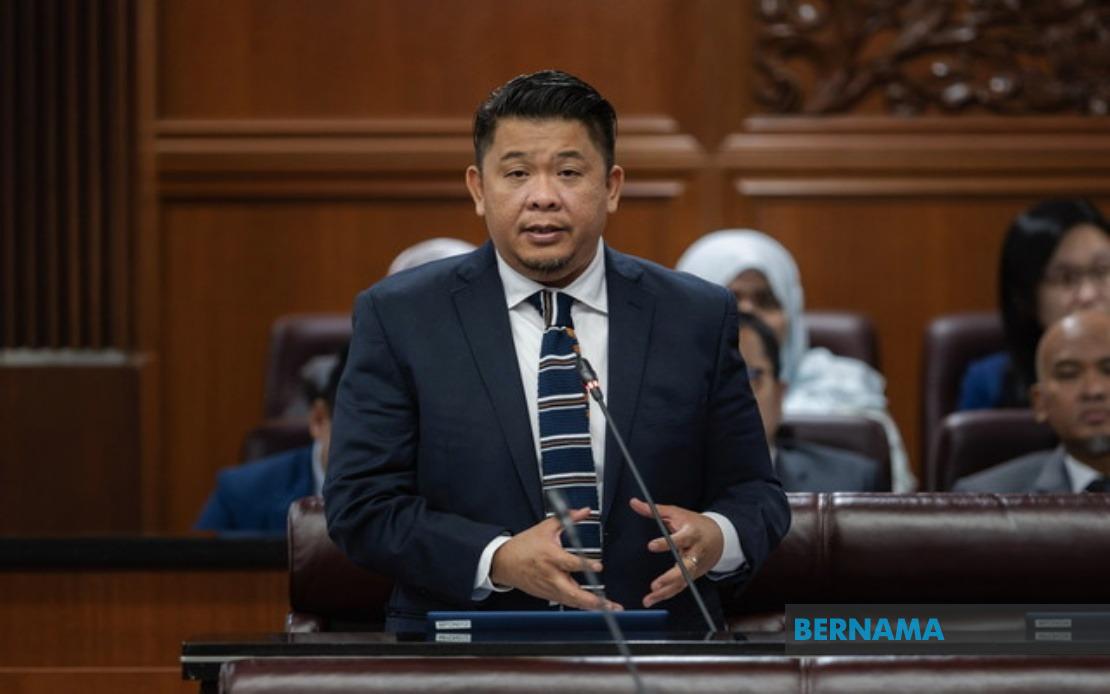
The Malaysian government is maintaining close surveillance over more than 21,000 of its nationals dispersed throughout 14 countries experiencing armed conflict, according to statements made by Deputy Foreign Minister Datuk Lukanisman Awang Sauni during parliamentary proceedings. The systematic tracking operation underscores Kuala Lumpur's commitment to safeguarding citizens abroad as geopolitical tensions remain volatile across multiple regions, particularly in West Asia where thousands of Malaysians—including students, workers, and religious pilgrims—remain stationed.
Wisma Putra's preparedness framework represents the culmination of lessons learned from previous international crises that directly affected Malaysian nationals. The Foreign Ministry has drawn extensively on its experience managing past contingencies to construct a multi-layered security architecture that extends beyond mere reactive measures. This forward-looking approach incorporates predictive mapping of potential flashpoints, pre-established communication channels, and resource allocation strategies designed to function seamlessly should circumstances require immediate intervention. The comprehensiveness of these arrangements reflects recognition that any future instability could escalate rapidly, necessitating responses measured in hours rather than days.
The evacuation contingency plan operates as an integrated system involving coordination across government bodies, humanitarian organisations, private sector entities, and military resources. Datuk Lukanisman's disclosure that Petroliam Nasional Bhd (Petronas) maintains independent evacuation protocols for its overseas workforce exemplifies how Malaysia's strategic approach distributes responsibility across multiple stakeholders rather than centralising operations within a single ministry. This distributed architecture enhances resilience, as corporate entities can mobilise resources and personnel with greater agility than bureaucratic structures typically permit. Airlines capable of providing charter flights have similarly been incorporated into the planning matrix, ensuring rapid transportation capacity should large-scale evacuations become necessary.
The Royal Malaysian Air Force (RMAF) represents the cornerstone of Malaysia's logistical capacity for large-scale emergency repatriation. By integrating military aviation assets into civilian evacuation frameworks, the government creates redundancy that prevents commercial airline unavailability from constraining rescue operations. This hybrid approach has proven particularly valuable in conflict zones where commercial carriers either suspend operations entirely or charge prohibitively expensive rates, creating circumstances where military intervention becomes indispensable for protecting ordinary citizens who lack diplomatic status or corporate backing.
All Malaysian diplomatic missions maintain individually tailored contingency plans that reflect the unique security profiles of their respective locations. Rather than imposing standardised protocols that may prove inadequate for specific regional contexts, Wisma Putra has empowered embassy and consular staff to develop operational frameworks grounded in granular knowledge of local conditions. These location-specific plans include precise inventories of Malaysian populations, communication methodologies optimised for particular conflict environments, and evacuation sequencing that prioritises vulnerable individuals including children, elderly persons, and those with medical requirements. The continuous updating of these plans ensures they remain responsive to evolving circumstances rather than becoming obsolete through static assumptions.
Malaysian citizens currently abroad or contemplating international travel are being encouraged to utilise the government's registration systems as primary mechanisms for maintaining contact with diplomatic missions. The e-Consular platform offers straightforward digital enrollment, while email and telephone options accommodate those with limited internet connectivity. Additionally, the MyWorldAlert application functions as a push-notification system delivering real-time security advisories and emergency contact information directly to registered users' mobile devices. These registration mechanisms fundamentally enable the Foreign Ministry's tracking operations—without citizen participation in registration systems, the government's capacity to locate and assist nationals during crises becomes substantially compromised.
The West Asian conflict that erupted earlier in 2024 prompted the Foreign Ministry to issue three successive travel advisories, each calibrated to reflect evolving security assessments across the region. These advisories represented more than administrative formalities; they communicated to Malaysian nationals and intending travellers that the government was actively monitoring developments and prepared to escalate protective measures should conditions warrant. The gradual reopening of regional airspace following the ceasefire announcement on April 8 demonstrated that security improvements can materialise relatively swiftly, though remaining vigilance remains warranted given the fragility of recent stabilisation efforts in Middle Eastern contexts.
The concentration of Malaysians in conflict-affected countries reflects broader patterns of labour migration and religious pilgrimage that characterise Malaysian society. Tens of thousands of Malaysians work in petrochemical industries across the Gulf, pursue educational opportunities in major urban centres throughout West Asia, and undertake religious journeys for umrah (Islamic pilgrimage) purposes. This widespread diaspora distribution, while economically and spiritually significant, creates substantial governmental obligations to maintain protective oversight. The government's systematic approach to tracking these populations demonstrates acknowledgment that economic globalisation and religious freedom cannot be decoupled from security responsibilities toward nationals in vulnerable circumstances.
Risk assessment frameworks incorporated into evacuation planning operate on graduated activation thresholds rather than binary deployment decisions. The Foreign Ministry activates specific plan components proportional to assessed risk levels, local security trajectories, and quantities of affected nationals, thereby avoiding premature mobilisation that could disrupt normal diplomatic operations or trigger market-destabilising responses. This calibrated approach requires sophisticated intelligence gathering and analytical capacity to accurately gauge when threshold conditions have been reached. The coordination mechanisms involving multiple agencies and private entities amplify available intelligence resources, reducing reliance on any single information source and enhancing decision-making reliability under high-pressure circumstances.
For Malaysian readers and policymakers, these evacuation preparations carry significant implications. Individuals contemplating employment, education, or pilgrimage in conflict-affected regions should factor government protective capacity into their risk calculations, rather than assuming absolute safety. Simultaneously, registration through available systems substantially enhances the likelihood of timely assistance should crises materialise. The government's demonstrated commitment to maintaining preparedness reflects understanding that citizens' security abroad constitutes a fundamental national interest requiring continuous resource allocation and institutional attention, even during periods of apparent stability.

