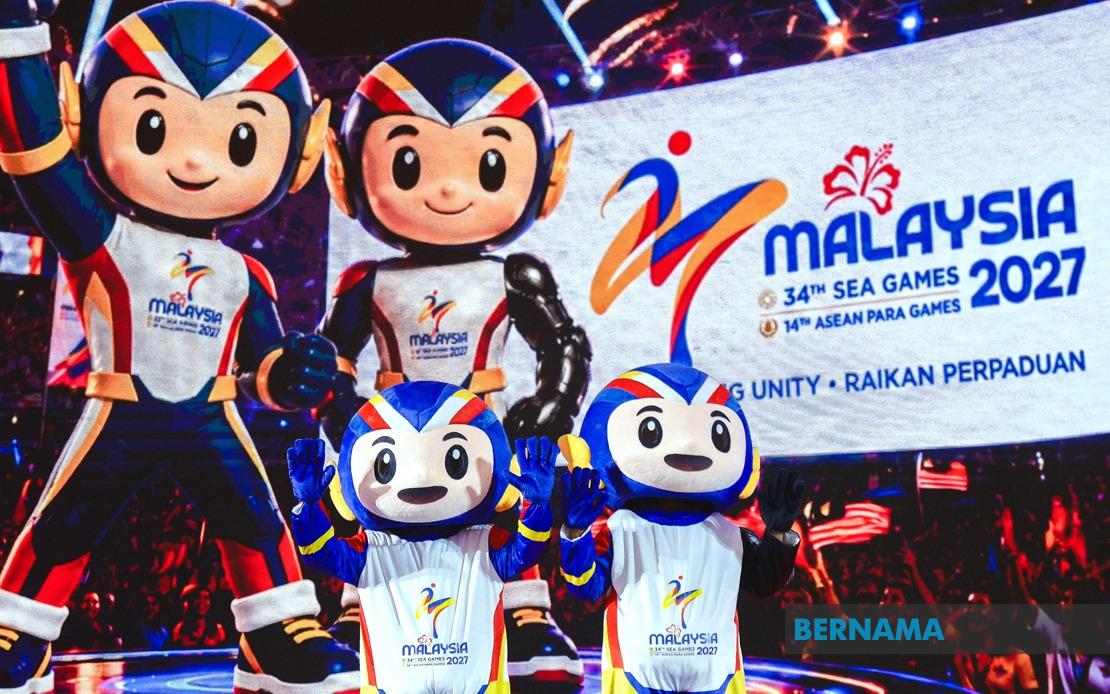
Malaysia has formally introduced 'Celebrating Unity' as the central theme for the 2027 SEA Games and ASEAN Para Games, marking a significant milestone in the host nation's preparations for these major sporting events. Youth and Sports Minister Dr Mohammed Taufiq Johari unveiled the theme alongside the official mascot and logo during a ceremony held in Putrajaya on July 13, signalling the acceleration of Malaysia's readiness to welcome regional athletes and spectators to competitions scheduled across four separate geographical clusters.
The chosen theme carries symbolic weight beyond mere branding—it embodies the collective aspiration of Southeast Asian nations to strengthen bonds through athletic competition and shared cultural values. Dr Mohammed Taufiq explained that 'Celebrating Unity' serves as an overarching message to inspire athletes to transcend personal limitations whilst fostering a sense of continental cohesion. The theme reflects not only the competitive spirit inherent in sports but also the broader regional integration agenda that underpins ASEAN cooperation, positioning these Games as a platform for demonstrating Southeast Asian solidarity on the international stage.
The official mascot, christened TUAH, represents a strategic departure from previous SEA Games editions which typically featured animal-based representations. Instead, organisers opted for a human character design that embodies qualities of dynamism, confidence, and approachability, aligned with modern iconography rather than traditional zoological themes. This choice signals Malaysia's contemporary approach to the Games, emphasising human achievement and relatability over abstract animal symbolism, thereby creating a mascot with greater potential to resonate with younger audiences across digital platforms.
TUAH's design incorporates the colours of Jalur Gemilang, the Malaysian national flag, weaving patriotic symbolism directly into the mascot's visual identity. This integration serves a dual purpose: it reinforces the Games' connection to Malaysian national pride whilst simultaneously asserting the host nation's stewardship of the event. By employing the flag's colours, organisers ensure that every representation of the mascot functions as a subtle reminder of Malaysia's central role as custodian of these regional competitions, strengthening emotional connections between local populations and the Games.
Dr Mohammed Taufiq expressed confidence that TUAH would function as a fortunate emblem for Malaysia's medal prospects, reflecting a traditional belief in mascots' auspicious properties whilst simultaneously acknowledging the practical benefits of an appealing, marketable symbol. The minister's optimism regarding Malaysia's potential to secure overall championship status at home demonstrates governmental commitment to achieving competitive success, with the mascot serving as a unifying emblem for national sporting ambitions. This psychological dimension—where the mascot becomes associated with national victory—adds intangible value to the branding exercise.
Preparations across the four hosting clusters—Sarawak, Penang, Johor, and Kuala Lumpur—are reportedly advancing without major impediments, according to Dr Mohammed Taufiq's assessment. The distributed venue structure represents an innovative approach to hosting, spreading competitions geographically to maximise regional development benefits and reduce infrastructure concentration in a single metropolitan area. This multi-cluster model necessitates sophisticated coordination mechanisms but offers advantages in showcasing diverse Malaysian destinations and distributing economic opportunities across multiple states.
The minister indicated that whilst facility construction and infrastructure development face no significant setbacks, official attention has progressively shifted toward technical and logistical refinements required for seamless event execution. These technical considerations encompass competition scheduling, athlete accommodation, transportation networks, security arrangements, and broadcast infrastructure—the complex operational machinery underlying modern international sporting events. Meeting established timelines for these technical preparations remains critical, as delays in any single component can create cascading complications throughout the broader Games administration framework.
The National Sports Council has established an ambitious benchmark targeting 70 per cent of Malaysian athletes to finish on competitive podiums at Asian-level competitions by year's end, serving as a diagnostic metric for assessing the nation's championship-winning potential at the 2027 Games. This target reflects a data-driven approach to competitive readiness, using measurable performance indicators rather than relying solely on subjective assessments. Achieving this benchmark would provide concrete evidence of systematic improvement in Malaysian athletic performance and training methodologies, validating investment in sports development infrastructure and athlete support programmes.
The Games will unfold across two distinct phases: the main SEA Games will operate from September 18 to 29, 2027, followed by the ASEAN Para Games from October 17 to 23. This sequential scheduling allows separate focus periods for each competition whilst maintaining continuous international sporting activity that keeps global attention directed toward Southeast Asia. The Para Games scheduling immediately following the primary Games ensures that adaptive athletes receive equal prominence and dedicated media coverage, rather than being eclipsed by the preceding event's residual attention. For Malaysia, this extended sporting calendar represents both a logistical challenge and an opportunity to demonstrate regional leadership in inclusive competitive sport.
From a Southeast Asian perspective, these Games function as more than athletic competition—they represent a platform for demonstrating regional prosperity, organisational capability, and commitment to inclusive development. Malaysia's hosting responsibilities arrive at a moment when ASEAN faces diverse geopolitical pressures and internal challenges, making successful Games execution a significant diplomatic achievement. The 'Celebrating Unity' theme acquires additional resonance in this context, serving as a public statement regarding ASEAN's capacity to organise, cooperate, and celebrate collective achievement despite underlying regional complexities. Malaysia's success in hosting will likely influence perceptions of ASEAN's institutional effectiveness and member nations' developmental trajectories.
For Malaysian sports stakeholders, the 2027 Games present substantial opportunities for infrastructure modernisation, athlete development acceleration, and international recognition. The TUAH mascot and 'Celebrating Unity' theme provide cohesive branding around which commercial partnerships, sponsorships, and promotional campaigns can be structured. These Games will command significant media attention throughout Southeast Asia and beyond, creating visibility for Malaysian sporting talent, tourism destinations, and organisational competence. Success in these preparations and the Games themselves could establish Malaysia as a credible host for future mega-sporting events, enhancing the nation's international sporting profile beyond 2027.

