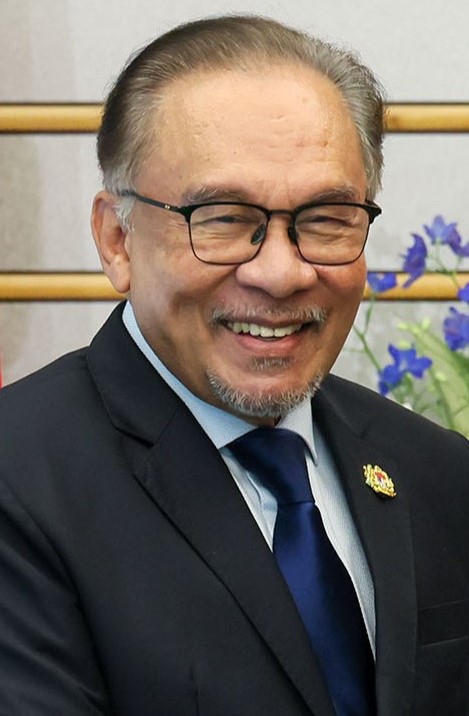
Prime Minister Datuk Seri Anwar Ibrahim has thrown Malaysia's diplomatic weight behind a budding accord between the United States and Iran aimed at resolving their escalating conflict, signalling Kuala Lumpur's support for negotiated settlement over continued tensions in the Middle East. Speaking through a Facebook statement, Anwar welcomed the bilateral understanding and confirmed that both parties intend to formalise their commitment through a memorandum of understanding in the immediate future, marking a potential turning point in one of the region's most intractable geopolitical disputes.
The Malaysian leader specifically acknowledged the instrumental role played by Pakistan in brokering the rapprochement, underscoring the crucial contribution of regional actors in facilitating dialogue where direct engagement had proven difficult. This recognition reflects Malaysia's appreciation for multilateral diplomacy and the importance of respecting the diplomatic channels through which breakthrough agreements often emerge, particularly in conflicts where historical grievances and strategic interests have long complicated negotiations.
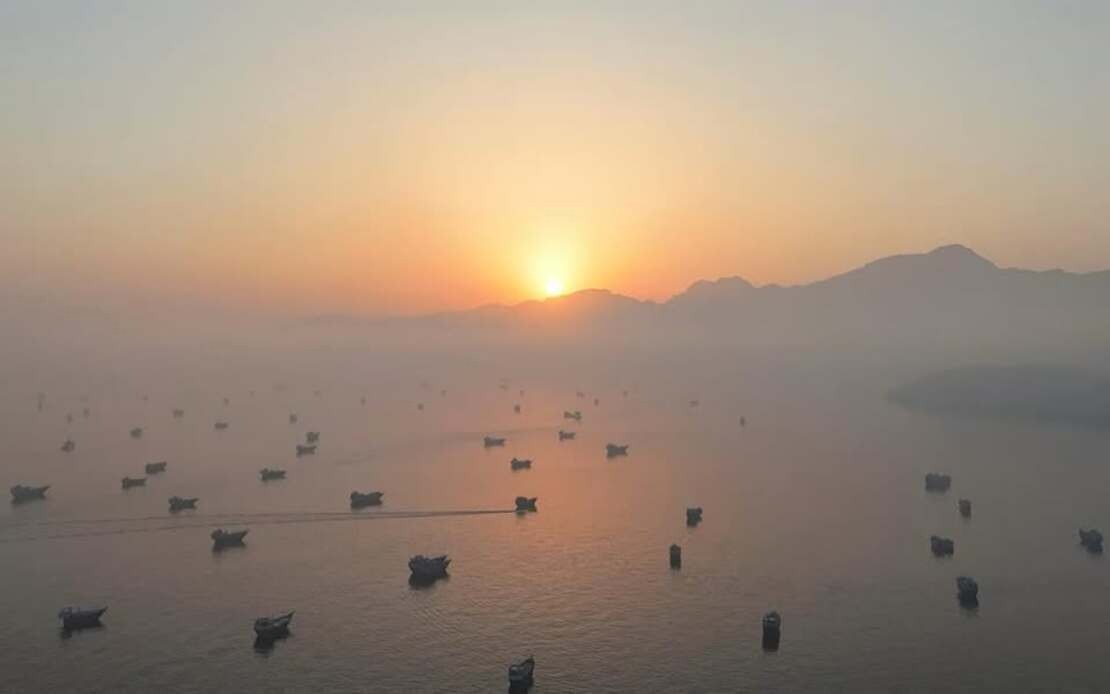
Central to Anwar's concerns is the operational status of the Strait of Hormuz, one of the world's most vital maritime chokepoints through which roughly one-fifth of global petroleum trade flows annually. The potential disruption of this critical waterway poses far-reaching consequences not merely for the Middle East but for economies across Asia and beyond, including Malaysia's own energy security and trade networks. Anwar characterised the strait's continued closure as a "critical artery for global energy security and international trade," emphasising that protracted interruptions serve no constructive purpose and only inflict broader economic pain.
The Prime Minister's intervention reflects Malaysia's vested interest in maintaining stable international shipping lanes and affordable energy supply chains. As a maritime trading nation dependent on unobstructed passage through key waterways, Malaysia has tangible reasons to prioritise the restoration of normalcy through the Hormuz Strait. Beyond immediate commercial considerations, Anwar's statement positions Malaysia within the broader international community concerned with preserving rules-based global trade and preventing regional conflicts from spilling into economic disruption affecting distant nations.
Anwar's appeal to all stakeholders emphasises the necessity of good-faith implementation, rejecting any dilatory tactics or backsliding. He explicitly warned against actions that might undermine the fragile diplomatic momentum, calling on both principals and external parties to refrain from provocative measures that could resurrect hostilities. This cautionary tone acknowledges the delicate nature of the emerging accord and the multitude of actors—state and non-state—who possess capacity to disrupt peace efforts through either deliberate sabotage or miscalculation.
The Malaysian leader further broadened his remarks to encompass the international community's collective responsibility in sustaining diplomatic progress. Rather than adopting a passive stance, Anwar declared Malaysia's readiness to contribute to efforts toward a durable, equitable resolution of the underlying dispute. This proactive posture reflects Malaysia's traditional commitment to inclusive multilateralism and its belief that regional stability benefits all nations, particularly smaller states dependent on predictable international relations.
United States President Donald Trump announced the finalisation of the agreement on Sunday, authorising the reopening of the Strait of Hormuz and dismantling the naval blockade previously maintained by American forces. This development, while welcome from the perspective of global commerce and energy markets, carries significant implications for regional power dynamics and the broader strategic balance in the Middle East. The restoration of Iranian access to international commerce represents a material shift in leverage enjoyed by Tehran and may reshape calculations among regional state actors.
For Southeast Asia and Malaysia specifically, the stabilisation of Middle Eastern affairs carries tangible benefits beyond energy security. Reduced tensions in the Gulf diminish risks of maritime incidents, piracy, and collateral economic disruption that might otherwise ripple through Asian supply chains. The region's manufacturing sectors, dependent on timely procurement of raw materials and energy resources, benefit from predictable access to crucial transit routes and price stability in international commodity markets.
Anwar's measured diplomatic language reflects Malaysia's traditional alignment with international law and consensus-based approaches to conflict resolution, positioning the country as a responsible stakeholder invested in global stability. His emphasis on sustainability, good faith, and restraint from external interference underscores principles that Malaysia itself champions in managing its own regional relationships and disputes. By publicly endorsing the emerging accord while conditioning continued support on faithful implementation, Anwar maintains diplomatic flexibility while signalling clear preferences regarding the international order.
The timing of Malaysia's formal endorsement carries significance given the nation's upcoming roles in regional diplomatic forums and its traditional voice in advocating for developing nations' interests within international organisations. By early alignment with the emerging settlement, Malaysia positions itself as a constructive participant in Middle Eastern affairs while reinforcing its commitment to peaceful resolution of international disputes—a stance consistent with its constitutional foreign policy principles and strategic interests in maintaining an open, rules-based international system.
Looking forward, the successful implementation of the US-Iran understanding will depend substantially on whether both parties honour their commitments and whether external actors respect the diplomatic space required for consolidation of the accord. Malaysia's declared readiness to support the peace process suggests potential pathways for Malaysian participation in confidence-building measures, humanitarian initiatives, or trade normalisation efforts that might accompany full restoration of US-Iran relations. Such engagement would enhance Malaysia's profile as a moderate voice capable of building bridges in challenging geopolitical contexts.