Sixteen veterans of the Malaysian Armed Forces have commenced work as full-time wardens across eight MARA Junior Science Colleges beginning July 1, representing a significant expansion of the military personnel integration programme within Malaysia's premier boarding institutions. The appointments form part of a carefully structured two-year rollout to eventually place experienced former servicemen and women in leadership positions across all 58 MRSM campuses nationwide, addressing longstanding concerns about student welfare and institutional governance in these academically selective environments.
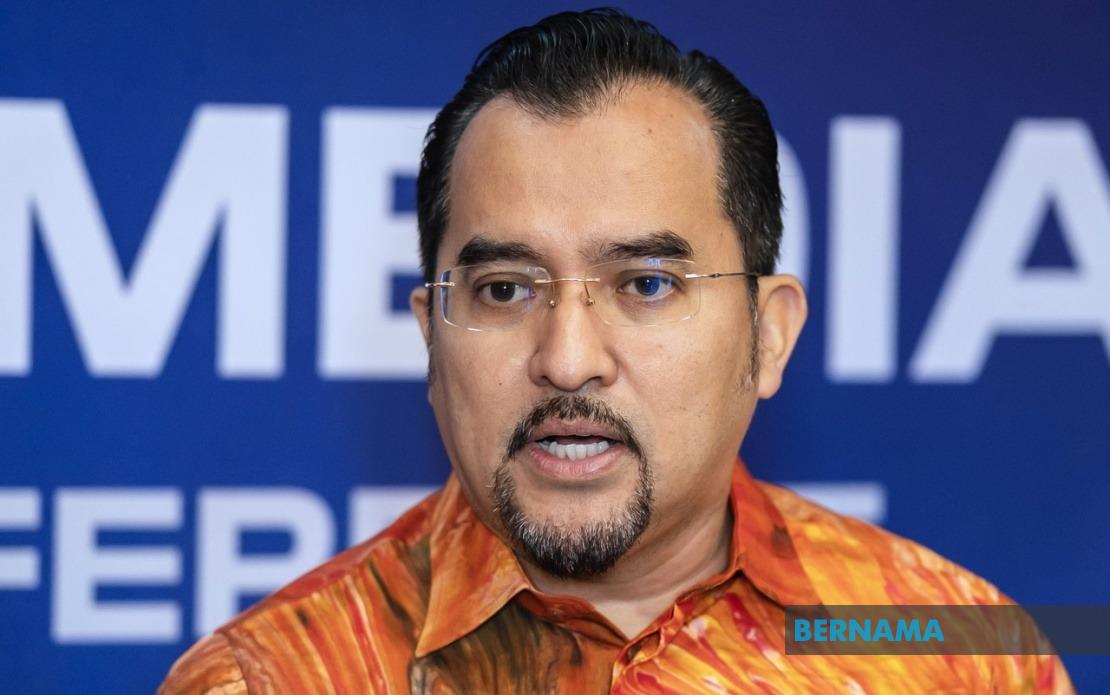
MARА Chairman Datuk Dr Asyraf Wajdi Dusuki framed the initiative as a strategic response to discipline challenges and bullying incidents that have periodically affected Malaysia's residential science colleges. By deploying military-trained personnel with established experience in hierarchical command structures and youth mentorship, the institutions aim to create more structured dormitory environments while maintaining academic rigour. The programme represents the organisation's confidence in former service members as custodians of young talent during crucial formative years.
This current deployment follows a pilot initiative that commenced in October 2025 at MRSM Besut and MRSM Balik Pulau, permitting MARA to refine recruitment protocols and identify best practices before broader expansion. The pilot phase generated valuable operational insights that have shaped the more comprehensive vetting procedures now governing appointments across the eight new institutions. Each college will eventually host four dedicated wardens—two male and two female—creating a gender-balanced approach to residential management previously absent from many traditional boarding settings.
The recruitment landscape reflects substantial interest among the military veteran community, with 162 applications received for female warden positions alone. An intensive selection methodology was deployed, incorporating psychometric assessments through MyNext OCEAN and RIASEC evaluations alongside military-specific psychological testing. Physical interviews conducted in mid-June at MARA's Higher Skills Institute in Kepong involved 147 candidates, with 139 male applicants advancing through preliminary screening by the Veterans Affairs Department and TalentCorp, Malaysia's talent mobilisation agency.
The multi-stage vetting architecture demonstrates institutional commitment to safeguarding measures uncommon in Malaysian education previously. Beyond conventional interviews, candidates undergo fitness evaluations including BMI assessments and bleep tests, ensuring physical capacity to manage dormitory responsibilities. Critically, final screening includes specialised psychological profiling conducted by Malaysian Armed Forces counsellors, specifically examining impulse control, child protection awareness, sexual misconduct risk assessment, and appropriate professional boundaries in student interactions. These measures reflect heightened consciousness of duty-of-care obligations in residential educational settings.
Verification protocols represent perhaps the most rigorous gatekeeping mechanism. GLSB, the MARA subsidiary coordinating recruitment, mandates completion of veteran status confirmation, criminal record checks conducted by the Royal Malaysia Police, and screening against the child sexual offenders registry before any formal appointments proceed. Datuk Dr Asyraf Wajdi emphasised that no offer letters will be issued until all critical assessments conclude, establishing an unambiguous institutional standard prioritising candidate integrity over recruitment timelines.
The stringency of these procedures addresses a critical vulnerability in Malaysian residential education. Boarding institutions concentrate significant numbers of minors under adult supervision in environments where hierarchical relationships concentrate considerable authority. The psychological profiling components, particularly assessments targeting sexual misconduct risk and inappropriate boundary maintenance, acknowledge realities documented internationally regarding institutional vulnerability to abuse when screening procedures prove inadequate. Malaysia's approach, by regional standards, reflects relatively sophisticated risk management architecture.
For the veteran community, the programme represents meaningful civilian reintegration pathways. Former servicemen and women often face employment transitions following military discharge, with civilian labour markets sometimes undervaluing military leadership experience. MARA's initiative positions military discipline, hierarchical understanding, and youth engagement as transferable institutional assets, creating approximately 116 permanent positions across the full 58-college expansion anticipated by 2027. This workforce development angle carries significance for employment policy debates surrounding veteran transition support.
The expansion timeline envisages female warden appointments following male colleague induction, with final psychological screening for female candidates scheduled immediately after the mid-June evaluation period. This staged approach permits institutional learning between phases, allowing refinement of integration protocols based on early experience. The third expansion phase, commencing January 2027, will extend the programme further, gradually establishing the envisioned full complement across all MRSM institutions by programme completion.
For Malaysian parents and education stakeholders, the initiative addresses persistent anxieties regarding residential college safety and bullying prevention. Previous boarding school incidents have generated substantial media attention and parental concern, creating political pressure for demonstrable institutional reform. Deploying military-trained personnel provides tangible visual evidence of strengthened governance, whilst the psychological screening components offer reasonable assurance regarding personnel suitability for sensitive child-centred roles. This combination addresses both substantive safety improvements and the perception of institutional commitment to student welfare.
The collaboration structure—involving MARA, GLSB, Veterans Affairs, TalentCorp, and military psychology services—demonstrates horizontal governance coordination across multiple government agencies. Such multi-institutional coordination, whilst administratively complex, permits expertise pooling and shared accountability for outcomes. The involvement of TalentCorp, typically focused on corporate talent development, illustrates how civilian workforce expertise supports public sector personnel processes, blurring traditional sectoral boundaries.
Beyond the immediate institutional context, the programme carries implications for broader Malaysian conversation regarding veteran employment and social integration. Successful warden placements demonstrate viable civilian career pathways for military personnel, potentially influencing broader workforce development strategies. If the programme demonstrates measurable improvements in campus safety metrics and student discipline records, it may incentivise similar veteran integration initiatives within other government agencies facing manpower constraints or specific operational requirements benefiting from military-trained personnel.
The stated timeline and transparent communication regarding screening procedures signal institutional commitment to public accountability. By publicly articulating assessment criteria and completion schedules, MARA invites scrutiny and establishes measurable benchmarks against which performance can subsequently be evaluated. This transparency contrasts with historical institutional practice in Malaysia, potentially establishing precedent for more open governance models within government-linked entities managing sensitive public functions.

