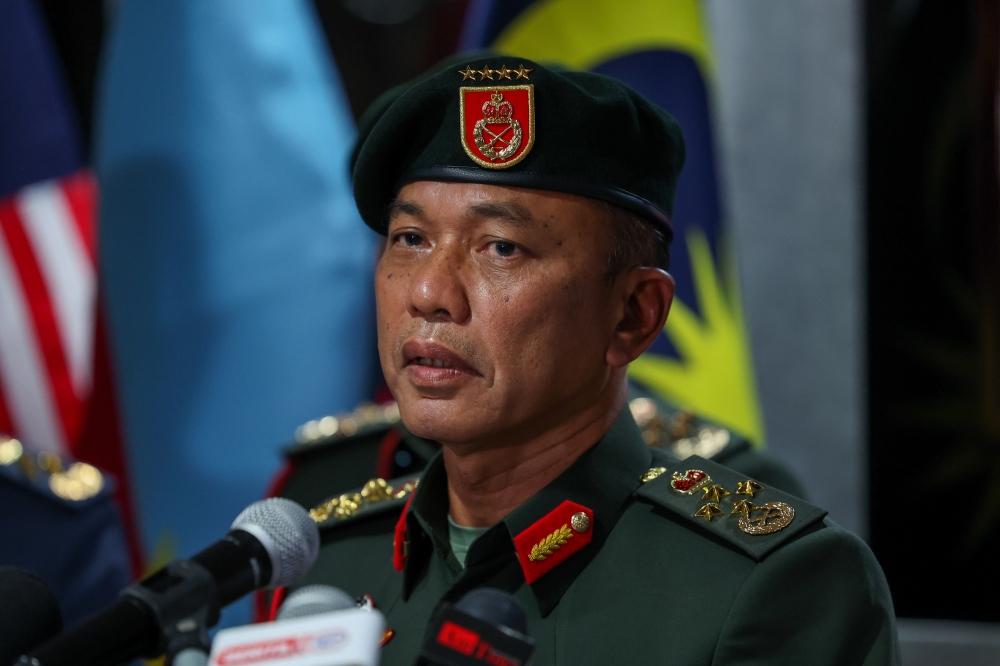
The Malaysian Army (TDM) has moved to counter viral allegations of sexual assault against one of its members, insisting that its own internal investigation discovered no credible basis for the claims circulating on social media. The military's public rebuttal marks an attempt to manage reputational damage stemming from widespread online accusations that have gained significant traction among Malaysian internet users in recent weeks.
The discrepancy between public allegations and the military's investigative findings highlights the growing challenge facing Malaysian institutions when confronted with viral accusations spread across digital platforms. Social media amplification of serious allegations can rapidly generate public concern and scrutiny, regardless of investigative outcomes. The army's statement seeks to address this phenomenon by directly referencing its internal examination of the matter, implying that the allegations lack factual foundation.
Internal military investigations operate within institutional frameworks that differ substantially from civilian judicial processes. The TDM's capacity to conduct independent, transparent inquiries into allegations involving its own personnel remains a subject of ongoing public interest, particularly given Malaysia's historical emphasis on military hierarchy and institutional loyalty. The army's assertion that no evidence supports the claims raises questions about investigative methodology and the standards applied to such sensitive matters within defence establishments.
The nature of allegations spreading through social media platforms presents particular complications for institutional responses. Viral narratives often circulate without verification mechanisms, combining unsubstantiated claims with assumptions and emotional appeals that resonate broadly among online communities. The Malaysian Army's direct denial suggests officials view the reputational threat as significant enough to warrant immediate public communication, a departure from traditional military communication strategies that often minimise engagement with media controversies.
Public trust in institutional investigations depends partly on perceived independence and transparency. Military organisations worldwide face heightened scrutiny when investigating allegations involving their own members, as structural conflicts of interest can undermine public confidence in findings. The army's statement does not specify investigative procedures employed, evidence reviewed, or whether external oversight occurred during the examination process. Such details would typically strengthen public acceptance of institutional conclusions.
The timing and scale of the viral allegations suggest widespread social concern about military accountability and personnel conduct. Malaysian citizens increasingly expect institutional transparency and credible investigation processes, particularly regarding serious allegations. The army's response indicates awareness that dismissing concerns entirely would prove counterproductive, necessitating substantive engagement with the allegations rather than silence or institutional opacity.
For Malaysian media outlets and the broader public, this situation underscores the tension between respecting institutional investigation processes and maintaining scrutiny of military conduct. News coverage of such matters must balance institutional claims against the legitimate public interest in understanding how allegations are handled within the armed forces. The absence of detailed investigative findings in public statements complicates independent assessment of the army's conclusions.
Regionally, the incident reflects broader patterns across Southeast Asian defence establishments managing institutional accountability in the digital age. Military organisations across the region increasingly encounter viral accusations and must develop communication strategies that address public concerns while maintaining institutional credibility. The Malaysian experience may inform how other regional armed forces approach similar challenges.
The implications extend to wider discussions about military discipline and personnel vetting within Malaysia's defence sector. High-profile allegations and institutional responses shape public perceptions of military governance and professionalism. The army's handling of this matter—from investigation through public communication—will influence ongoing evaluations of TDM's commitment to accountability and appropriate conduct standards among personnel.
Stakeholders including civil society organisations, victim advocacy groups, and media observers may seek additional transparency regarding the investigation's scope and methodology. Institutional credibility ultimately depends on demonstrable commitment to rigorous, fair examination processes rather than assertions unsupported by verifiable evidence or procedural detail. The military's statement represents an opening position in what may become an extended discussion about institutional accountability and public trust.
Moving forward, the Malaysian Army faces pressure to clarify its investigative processes and findings in ways that satisfy public expectations for institutional transparency. How military leadership responds to subsequent inquiries about investigative methodology, evidence standards, and oversight mechanisms will significantly shape public perception of institutional accountability. The broader defence sector must grapple with evolving expectations regarding transparency and responsiveness to public concerns about personnel conduct.

