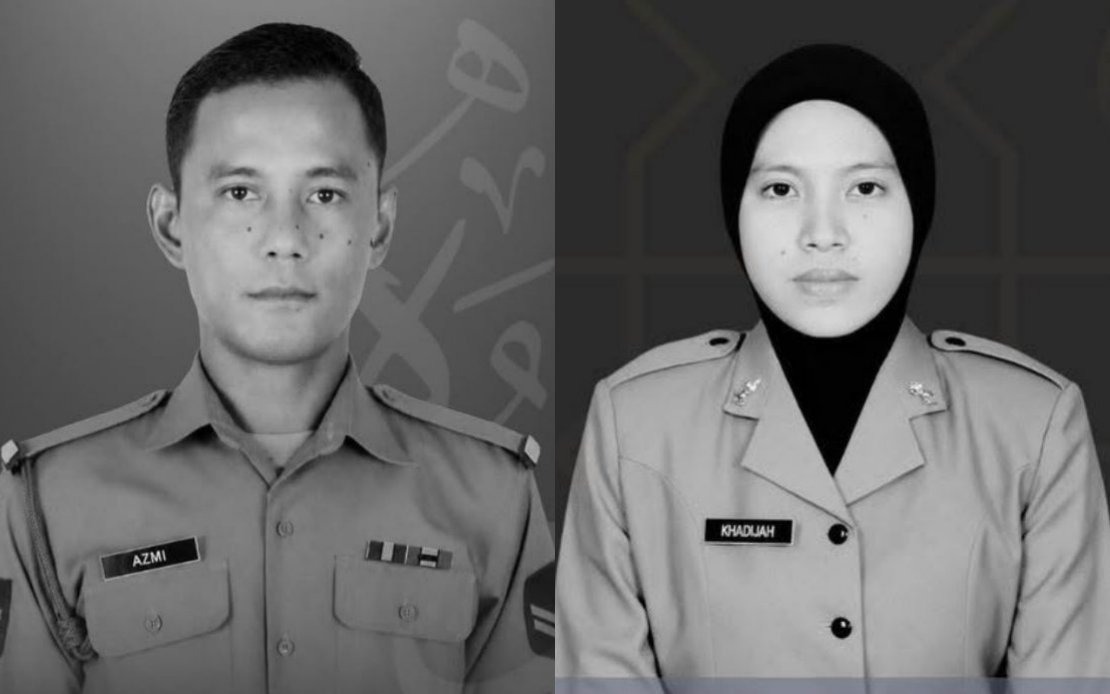
Two Malaysian Army soldiers have been identified following a fatal explosion during grenade-throwing training at Hobart Camp shooting range in Gurun, Kedah, on the morning of June 16. The deceased have been named as Corporal Norazmi Abu Bakar from the 6th Battalion, Royal Malay Regiment (6 RAMD), and Private Siti Khadijah Sungip from the 1st Squadron, Royal Army Engineers Regiment (1 RAJD). Both personnel sustained injuries deemed too severe to survive, with medical staff pronouncing them dead during their emergency transit to Sultan Abdul Halim Hospital (HSAH) in Sungai Petani shortly after the 10.57 am incident.
The tragic event unfolded while the two soldiers were engaged in RAJD Combat Enhancement Training, an exercise conducted under the oversight of the 2nd Infantry Division. Grenade-throwing drills represent a critical component of combat readiness for military units across the region, allowing personnel to develop proficiency with explosive ordnance under controlled conditions. However, such training inherently carries occupational risks that demand rigorous safety protocols and expert supervision. The circumstances surrounding this particular malfunction remain under investigation, with authorities working to establish whether procedural lapses, equipment defects, or other factors contributed to the explosion.
Following notification of the fatality, the Army initiated standard postmortem procedures. The remains have been transferred to Sultanah Bahiyah Hospital in Alor Setar, where forensic examination will be conducted to document the cause and nature of injuries sustained during the blast. These procedural steps, while routine in cases of military personnel deaths, underscore the gravity with which the institution treats such incidents and provide families with comprehensive documentation.
Army Chief General Tan Sri Azhan Md Othman has ordered a comprehensive and expedited investigation to determine precisely what triggered the explosion. His directive reflects institutional commitment to accountability and the identification of systemic vulnerabilities. The senior commander has also personally conveyed expressions of sympathy to the families affected by this tragedy, recognizing the profound loss experienced by those connected to the deceased soldiers. Beyond condolences, General Azhan has urged the bereaved families to draw strength from communal support during this exceptionally difficult period.
The Malaysian military has committed to leveraging findings from the investigative process to strengthen safety frameworks across all training operations. This commitment extends to continuous review and enhancement of protocols governing explosive ordnance handling, range operations, and supervision procedures. The armed forces recognize that maintaining public confidence in its training infrastructure requires transparent acknowledgment of incidents and demonstrated willingness to implement corrective measures. For service members and their families, assurance that lessons will be extracted from such tragedies and translated into operational improvements provides some measure of reassurance that subsequent training will benefit from enhanced safeguards.
Grenade-throwing accidents, though statistically infrequent given the volume of training conducted globally, represent among the most consequential risks within military training environments. The explosive nature of such devices means that even minor deviations from prescribed procedures can result in catastrophic outcomes. Training environments in Malaysia and across Southeast Asia have generally maintained strong safety records through adherence to international best practices and investment in professional instruction. This incident, while tragic, remains an exception rather than an indication of systemic deficiency, though it will undoubtedly prompt renewed attention to procedural compliance and equipment inspection routines.
For the Malaysian Armed Forces, which maintains a sophisticated training infrastructure comparable to regional counterparts, incidents of this nature prompt broader institutional reflection. The 6th Battalion, Royal Malay Regiment, and the Royal Army Engineers Regiment both maintain histories of professional military conduct and operational effectiveness. The loss of trained personnel through training accidents represents not only human tragedy but also depletion of institutional capacity and experience. Both units will likely implement enhanced oversight measures and potentially revise specific training protocols in response to this event.
The broader context of military training safety in Southeast Asia reflects growing international standards and regional cooperation in sharing best practices. Nations within the region have increasingly aligned training methodologies with international protocols governing occupational safety in hazardous environments. Malaysia's commitment to investigating this incident thoroughly and implementing corrective measures aligns with these regional trends toward professionalization and safety consciousness. The incident also highlights the ongoing challenge of balancing training effectiveness with risk mitigation—a tension that military institutions worldwide must continuously navigate.
For families of the deceased soldiers, the investigation and subsequent institutional reforms offer limited solace but represent formal recognition of their loss and commitment to preventing future tragedies. The Malaysian military will likely coordinate closely with the families throughout the investigative process and subsequent implementation of enhanced safety measures, potentially dedicating resources to memorialization and ongoing support. Such engagement reflects evolving standards regarding institutional responsibility toward bereaved military families and acknowledgment that personnel who volunteer for military service deserve comprehensive protection within training environments.
Looking forward, this incident will likely catalyze review not only within Malaysia's military but potentially across the broader regional military community. Southeast Asian defense establishments frequently exchange information regarding training safety and operational procedures, particularly through multilateral defense forums and bilateral engagements. Should investigation findings reveal transferable lessons—whether regarding equipment specifications, supervision protocols, or procedural safeguards—regional partners may benefit from Malaysia's transparent assessment and remedial actions. This potential for knowledge-sharing underscores how even tragic incidents, when addressed professionally and transparently, can contribute to enhanced safety across military institutions throughout the region.