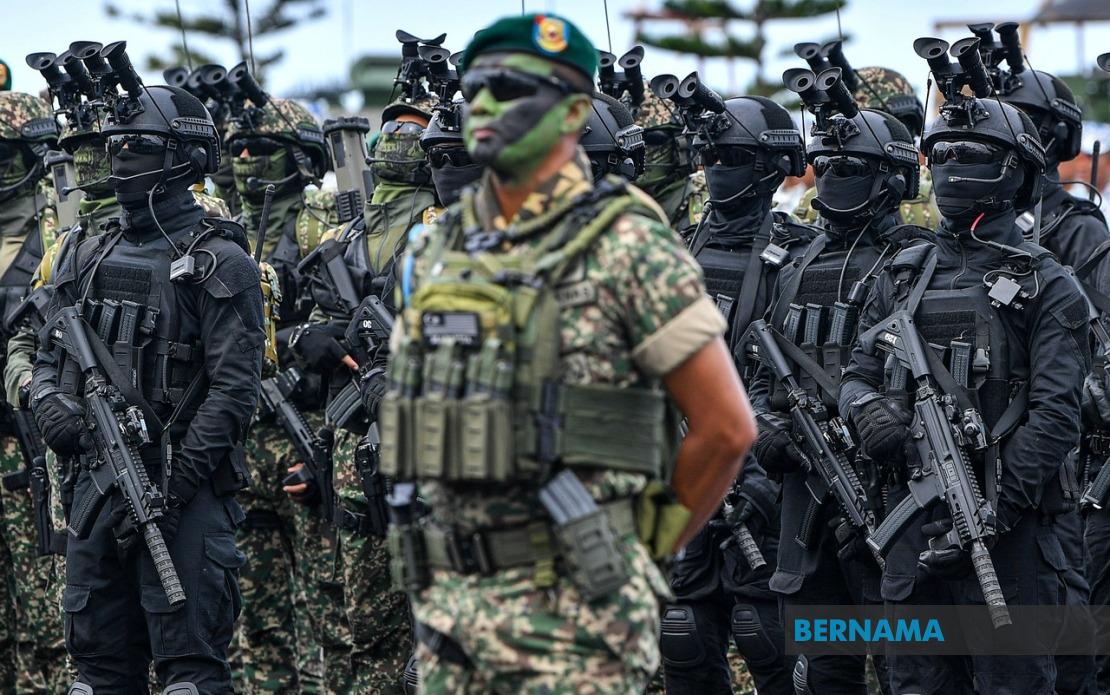
The Malaysian Army has moved swiftly to suspend all hand grenade training operations across its ranks following a devastating blast at Hobart Camp in Kedah that claimed two lives. Defence Minister Datuk Seri Mohamed Khaled Nordin announced the immediate cessation of such activities, signalling the armed forces' commitment to understanding what transpired during the fatal incident and preventing similar accidents in future training cycles.
The decision to impose a moratorium on grenade training underscores the gravity with which military leadership is treating the accident. Rather than continuing routine operations while investigations proceed in the background, the Defence Ministry has chosen to suspend the entire training programme until the board of inquiry completes its comprehensive examination of the incident's root causes. This approach reflects a recognition that systemic vulnerabilities may have contributed to the explosion, and that resuming training without identifying these gaps would be reckless.
Private Siti Khadijah Sungip, a 24-year-old member of the 1st Squadron of the Royal Engineer Regiment, and Corporal Norazmi Abu Bakar, aged 40 and attached to the 6th Battalion of the Royal Malay Regiment, died from severe injuries sustained in the blast on June 16. Both servicemen were en route to Sultan Abdul Halim Hospital in Sungai Petani when they were pronounced dead, highlighting the catastrophic nature of the explosion. Their deaths represent a significant loss to their respective units and raise urgent questions about the adequacy of safety protocols during weapons training exercises.
Mohamed Khaled outlined the investigation's scope during remarks to media personnel, indicating that multiple dimensions of the incident require scrutiny. The technical specifications of the weapons themselves will come under examination, alongside an assessment of the mental preparedness and psychological state of the servicemen involved in the training. The Defence Minister referenced established safety guidelines, noting that once a grenade's pin is withdrawn, military personnel must release it within seven seconds—a critical window that, if mismanaged, creates catastrophic risk.
The investigation will also probe standard operating procedures that govern how the armed forces manage weapons handling and training activities more broadly. This wider examination suggests that the incident may have exposed not merely a single error by individual personnel, but potentially systemic weaknesses in how training is conducted, supervised, and regulated across the security establishment. Such comprehensive review could lead to revisions in SOPs affecting training programmes throughout the military hierarchy.
Mohamed Khaled exercised appropriate caution regarding premature conclusions, declining to speculate about causation before evidence had been properly gathered and analysed. Instead, he directed that the investigation be expedited and that findings be submitted directly to his office upon completion. This hands-on approach signals political attention to the matter and suggests that the Defence Ministry will move decisively on any recommendations emerging from the inquiry.
The suspension of hand grenade training represents a tangible cost to military readiness, as such exercises remain essential for developing competency among combat personnel and engineer units. The Royal Engineer Regiment and Royal Malay Regiment units involved in the blast will face disruption to their training schedules, with potential ripple effects across broader force readiness. However, the Defence Ministry has prioritised safety over schedule adherence—a judgment that reflects lessons learned from military accidents internationally.
For Malaysian servicemembers and their families, the incident carries profound implications. Military personnel depend on their peers to follow safety protocols rigorously during training, particularly when handling explosive devices. The deaths of Siti Khadijah Sungip and Norazmi Abu Bakar represent a stark reminder of the inherent dangers of military service and the irreplaceable nature of human life. Mohamed Khaled's expression of condolences to their families acknowledged this human dimension of the tragedy.
The suspension also carries implications for Malaysia's defence posture within the broader Southeast Asian security context. Any extended disruption to training cycles could affect unit readiness across periods when regional tensions or operational demands may require full capabilities. However, the longer-term risk of resuming training with unaddressed safety vulnerabilities vastly outweighs short-term readiness concerns, and the government's decision reflects this calculation.
Investigations into military training accidents typically examine numerous variables: equipment condition and maintenance records, supervision ratios during training, personnel fatigue levels, environmental conditions, and adherence to established procedures. The breadth of the inquiry suggests that Defence Ministry officials recognise the complexity of the incident and are committed to moving beyond surface-level explanations. Such thoroughness, while time-consuming, builds public and institutional confidence in military safety culture.
The Defence Ministry's expedited approach to the investigation signals that findings will likely emerge within weeks rather than months, allowing for timely remediation and resumption of training activities. However, resumption will only occur once identified deficiencies have been addressed through procedural amendments, equipment upgrades, additional training for supervisory personnel, or other corrective measures deemed necessary by the inquiry board.
Moving forward, the incident may catalyse broader conversations within the Malaysian armed forces about risk management during weapons training and whether additional safeguards—whether technological, procedural, or personnel-related—should be implemented. Regional peer militaries will likely follow developments closely, as lessons from the Hobart Camp incident could inform training protocols across the Southeast Asian region and beyond.

