The Malaysian civil service has reached a notable milestone in its sustainability and efficiency goals, successfully reducing paper consumption by 116,405 reams and achieving cost savings worth RM1.99 million through the implementation of a comprehensive paperless initiative. The accomplishment represents a tangible outcome of the government's broader commitment to digital transformation across its administrative operations, demonstrating that environmental responsibility and fiscal prudence can advance simultaneously within the public sector.
Chief Secretary to the Government Tan Sri Shamsul Azri Abu Bakar announced the achievement during a Digital Economy and Fourth Industrial Revolution Council meeting chaired by Prime Minister Datuk Seri Anwar Ibrahim. The disclosure underscores how specific, measurable digitalisation projects contribute to Malaysia's wider strategic objectives, transforming abstract digital targets into concrete results that benefit both government operations and national resources.
The paperless initiative, which commenced in February with simple transactions designated as the initial conversion category, reflects a phased approach to organisational change within Malaysia's bureaucracy. Rather than attempting wholesale transformation overnight, the government strategically identified lower-complexity processes suitable for immediate digitalisation, allowing departments to build technical competency and user confidence before expanding the programme to more complex administrative functions.
This cost reduction holds particular significance for Malaysia's public finance management, especially as the government balances ambitious development spending with fiscal sustainability. The RM1.99 million annual saving from a single initiative demonstrates the cumulative potential of comprehensive digitalisation across the entire civil service apparatus. If similar efficiencies materialise across multiple administrative domains—from procurement to personnel management—the aggregate savings could meaningfully contribute to budget reallocation toward priority areas such as healthcare, education, or infrastructure.
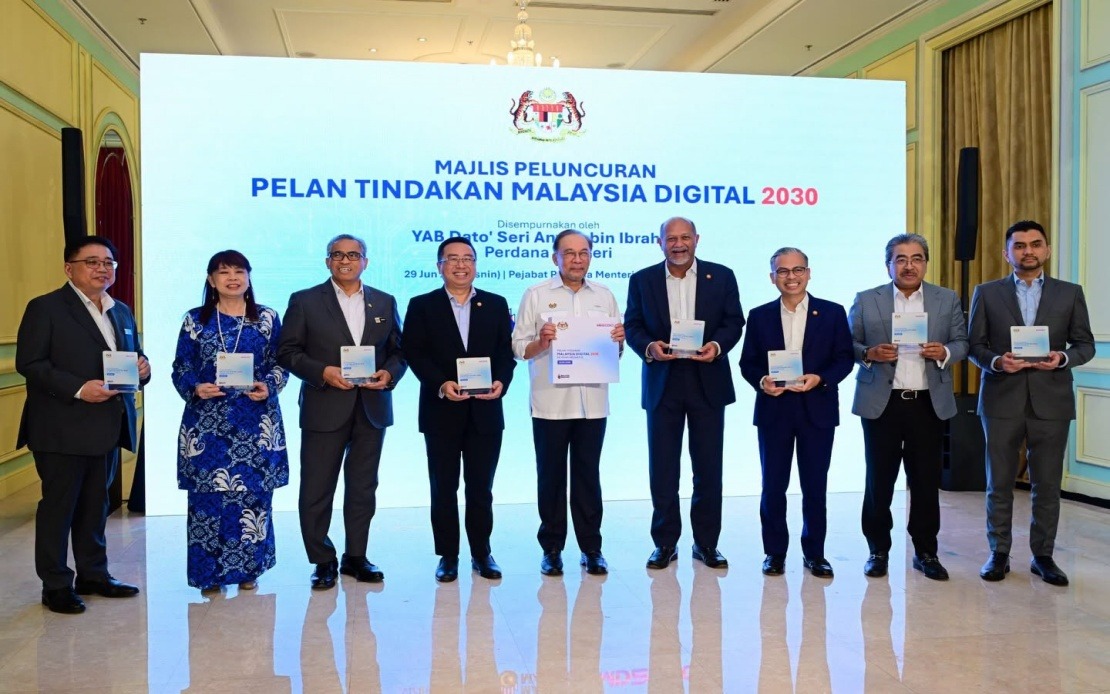
The paperless programme aligns strategically with Malaysia Digital 2030, the comprehensive digitalisation roadmap launched by Prime Minister Anwar Ibrahim during the same council meeting. This framework represents the government's commitment to positioning Malaysia as a digitally advanced nation within the decade, encompassing not merely internal government modernisation but broader ecosystem development that extends to citizens, businesses, and educational institutions.
Particularly noteworthy is the integration of this practical administrative reform with Malaysia's ambition to emerge as an Artificial Intelligence nation by 2030. Digital document management systems and paperless workflows generate standardised, machine-readable data that becomes invaluable for AI applications and advanced analytics. By moving to digital platforms now, the civil service is simultaneously building the data infrastructure necessary for future AI-driven governance innovations, creating long-term strategic benefits beyond immediate cost savings.
The MED4IR council's concurrent focus on MyDigital ID and MyGov initiatives demonstrates how Malaysia is approaching digitalisation across multiple complementary fronts. MyDigital ID serves as a foundational digital identity layer enabling secure transactions, while MyGov provides a centralised government service portal. The paperless initiative functions as an enabling mechanism that gives practical substance to these digital identity and service delivery platforms, transforming them from abstract digital infrastructure into tools that fundamentally reshape how citizens and businesses interact with government.
Expanding digital access across Malaysia's higher education institutions, another priority identified during the council meeting, creates a pipeline of digital-native professionals equipped to sustain and advance government digitalisation efforts. Universities graduating students proficient in digital tools and data literacy produce workforces capable of designing, implementing, and managing sophisticated digital systems. This educational dimension ensures that Malaysia's digital ambitions remain anchored in a talent base capable of realising them operationally.
The MyMAHIR National AI Council for Industry represents another strategic layer within Malaysia's digitalisation framework, deliberately cultivating human expertise alongside technological deployment. Rather than assuming artificial intelligence represents a purely technical matter, the government recognises that sustainable AI implementation requires diverse talent development encompassing data science, domain expertise, ethics, and governance. This holistic talent development approach significantly increases the probability that Malaysia's AI ambitions translate into practical, beneficial applications rather than remaining technological aspirations.
For Malaysian citizens and businesses, the cumulative effect of these initiatives creates a progressively more efficient and responsive government. Paperless processes translate into faster service delivery, reduced delays caused by manual document handling, and improved accessibility for citizens unable to visit physical government offices. Small and medium enterprises benefit from streamlined digital procurement processes and faster licensing approvals. These operational improvements represent the human dimensions of Malaysia's digital strategy, where technological progress manifests as tangible quality-of-life enhancements.
The civil service paperless programme also carries environmental implications relevant to Malaysia's climate and sustainability commitments. Paper production involves significant water usage and forest resources; reducing consumption by over 116,000 reams annually contributes meaningfully to resource conservation. As Malaysia navigates competing pressures from development and environmental stewardship, demonstrating that administrative modernisation delivers environmental benefits alongside economic savings helps resolve apparent tensions between progress and sustainability.
Looking forward, the success of this initial phase suggests momentum for expanding paperless operations across additional government functions and agencies. However, translating this achievement into broader systemic change requires sustained institutional commitment, continued investment in digital infrastructure, and ongoing training for civil servants adapting to new workflows. The government's integration of this practical initiative within the Malaysia Digital 2030 framework indicates such commitment exists at the highest policy levels.

