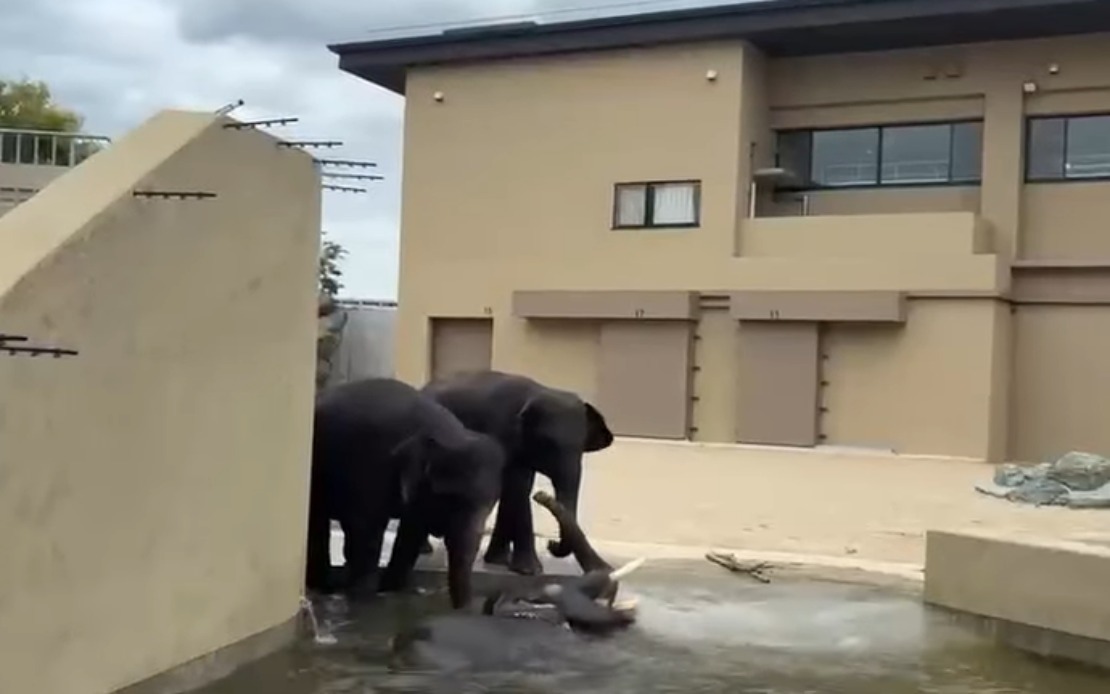
Three Malaysian female elephants residing at Tennoji Zoo in the Osaka region of Japan are making steady progress in their new environment, according to an update from Taiping Municipal Council (MPT). The trio—named Dara, Amoi and Kelat—have all gained weight over recent months, signalling positive adaptation to their current living conditions and the care regimen established by the Japanese facility.
The most dramatic improvement concerns Kelat, who has added 260 kilogrammes to her body weight, substantially exceeding the gains recorded by her companions. Dara has registered a more modest 35-kilogramme increase, while Amoi has put on 30 kilogrammes. These metrics form part of routine health monitoring that the zoo conducts to ensure the animals remain in optimal condition. MPT president Mohamed Akmal Dahalan, speaking from Ipoh on behalf of the local government authority, characterised the weight gains as evidence of the elephants' positive trajectory in Japan.
The three animals arrived in Japan under a formal international cooperation agreement between Tennoji Zoo and Zoo Taiping & Night Safari, which falls under MPT's jurisdiction. This partnership was formalised through separate agreements signed in May and October 2022, establishing a 25-year framework for the elephants' care and management. The extended timeframe underscores the long-term commitment both institutions have made to the welfare of these particular animals, reflecting broader trends in zoo cooperation across Asia where facilities increasingly share expertise in managing large mammals.
Nutrition forms a cornerstone of the elephants' daily welfare programme at Tennoji Zoo. According to Mohamed Akmal, the animal care specialists have developed a comprehensive feeding regimen specifically tailored to the dietary needs of elephants as a species. The diet incorporates various types of hay as the primary source of fibre, supplemented with bamboo shoots and fresh grass—items that reflect the natural vegetation elephants would encounter in their native habitats. Additionally, the zoo provides cabbage and specially formulated pellets designed to deliver essential micronutrients and minerals that free-ranging populations obtain from diverse plant sources across their ranges.
Veterinary oversight remains integral to the ongoing management of the animals. Qualified veterinary officers monitor both the nutritional content of the food provided and the animals' physical responses to their diet. This dual-layer approach—where animal care teams prepare meals according to professional nutritional guidelines while veterinarians track health outcomes—represents best practice in modern zoological settings. The combination ensures that dietary adjustments can be made swiftly should any individual elephant display changing nutritional requirements or health concerns.
MPT has emphasised its commitment to collaborative oversight of the elephants through continued engagement with the Department of Wildlife and National Parks (Perhilitan) Peninsular Malaysia. This partnership allows Malaysian authorities to maintain visibility into the elephants' welfare despite their location thousands of kilometres away. Regular reporting from Tennoji Zoo to both MPT and Perhilitan provides the foundation for this ongoing supervision, enabling Malaysian officials to verify that international standards for elephant care are being consistently met.
The council has also signalled its willingness to participate in any formal review or investigation concerning the elephants, framing such cooperation as part of a broader commitment to transparency and accountability. Mohamed Akmal stressed that MPT remains ready to provide information to relevant authorities and to facilitate any assessments deemed necessary by oversight bodies. This openness reflects the heightened scrutiny that international animal transfers have attracted in recent years, particularly in Southeast Asia where concerns about wildlife welfare in captive settings have grown among advocacy groups and the general public.
However, MPT has cautioned that discussions surrounding the elephants' welfare should be anchored in verified facts and professional assessment rather than speculation or unsubstantiated claims. The council's statement suggests that some public discourse about the animals may have proceeded without adequate reference to scientific evidence or expert evaluation. Mohamed Akmal emphasised that distinguishing between evidence-based concern and unfounded allegation carries implications beyond the three elephants themselves, potentially affecting Malaysia's standing in international wildlife conservation efforts and the bilateral relationships that underpin zoo cooperation agreements.
The broader context of this arrangement reflects growing connectivity among zoological institutions across Asia and beyond. International cooperation in animal management allows facilities to share expertise, pool resources for specialised care, and in some cases facilitate genetic diversity within captive populations. For Malaysia, participation in such programmes positions the country as a contributor to global conservation infrastructure, though it simultaneously invites external scrutiny of local practices and standards.
The situation surrounding these three elephants also highlights ongoing debates about the appropriate balance between conservation, education and animal welfare in zoological settings. While institutions like Tennoji Zoo and Zoo Taiping & Night Safari serve educational functions and participate in conservation initiatives, the fundamental question of whether captive housing meets the complex behavioural and physiological needs of large wild animals remains contested among animal welfare specialists. The weight gains and health indicators reported by MPT address one dimension of welfare—nutritional adequacy—but broader assessments would encompass factors such as space, social interaction, mental enrichment and opportunity for natural behaviours.
Moving forward, the elephants' continued residence in Japan under international agreement will likely remain subject to ongoing public interest and periodic scrutiny. The 25-year timeframe of the current arrangement suggests that any significant changes to the elephants' circumstances would occur only through deliberate renegotiation between the two institutions. For Malaysian observers tracking this programme, the regular health reports from Tennoji Zoo will serve as primary indicators of how the arrangement is functioning in practice, while the broader implications for Malaysia's role in international wildlife management will continue to unfold.

