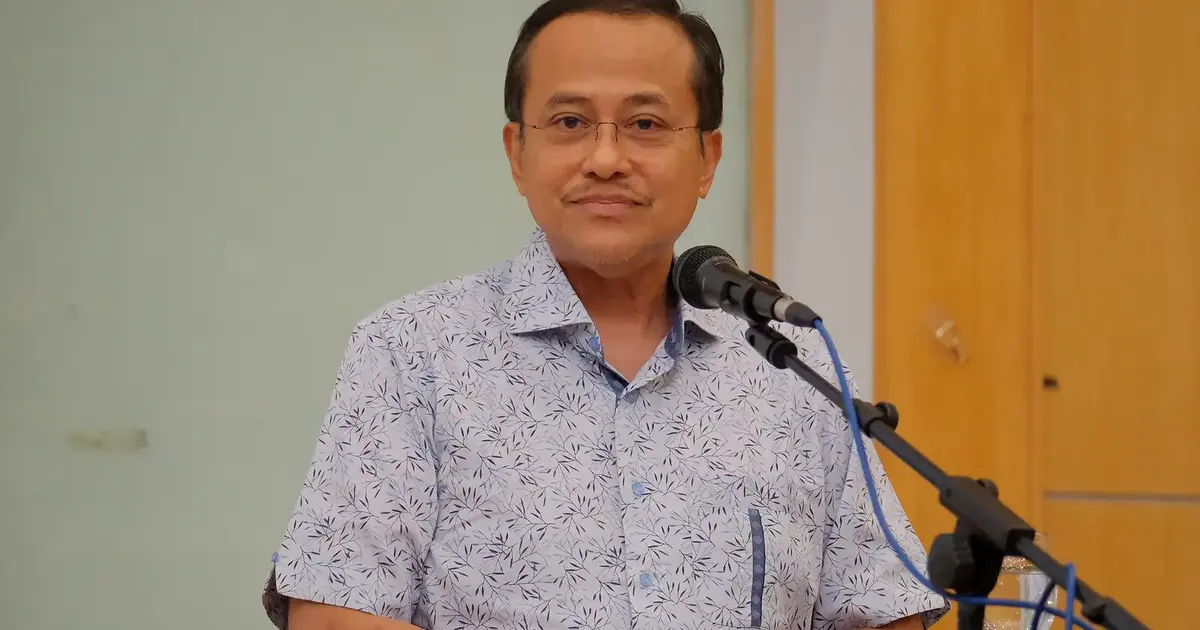
The Malaysian electorate is undergoing a significant recalibration of what it wants from its political leaders, according to Shahril Hamdan, who previously served as information chief for Umno. His observations point to a broader fatigue with the confrontational style of politics that has dominated the nation's discourse in recent years, suggesting voters are gravitating towards figures who project stability and restraint rather than those who rely on provocative statements and inflated commitments.
Shahril's assessment reflects a growing recognition within political circles that the traditional playbook of attention-grabbing rhetoric and sweeping policy proclamations may be losing its appeal to ordinary Malaysians. The shift appears particularly significant given how prominently such tactics have featured in the nation's political landscape, where heated exchanges, dramatic accusations, and bold campaign promises have long served as central pillars of electoral competition. His comments suggest that a subset of voters—potentially substantial—are actively searching for an alternative approach to governance and representation.
The timing of these observations is noteworthy, arriving at a moment when Malaysian politics continues to navigate considerable institutional and social turbulence. Following the series of electoral contests and coalition realignments of recent years, there appears to be an emerging appetite for political leaders who prioritise substance over spectacle, steady governance over sensationalism. This shift may reflect voter weariness from the constant political churn, institutional instability, and governance challenges that have characterised Malaysia's recent political trajectory. Electorate fatigue with protracted disputes, government reshuffles, and political uncertainty could plausibly be driving this preference for calmer, more predictable leadership.
Shahril's invocation of figures like Samsuri as exemplars of this preferred leadership style illuminates what qualities voters may now value. Leaders who operate with measured temperament, who avoid unnecessary confrontation, and who focus on deliberate policy implementation rather than theatrical gestures represent a departure from the dominant political style of the past decade or more. Such leaders tend to communicate in measured tones, avoid inflammatory language designed to provoke their opponents or energise partisan bases, and present themselves as pragmatic administrators rather than revolutionary figures promising fundamental transformation.
The implications for Malaysia's major political parties are substantial. Both Umno and other coalition partners within Barisan Nasional, as well as Pakatan Harapan and other opposition groupings, must grapple with this apparent recalibration of voter preferences. Traditional powerhouses that have built their appeal partly on charismatic, combative personalities may need to reconsider their strategic positioning. This does not necessarily mean abandoning ideological commitments or substantive policy positions, but rather adjusting the manner in which these are presented and advocated.
For Umno specifically, Shahril's analysis carries particular weight. As Malaysia's oldest and historically most dominant political force, the party has long cultivated various leadership personas. Yet the suggestion that voters now favour measured leadership opens strategic questions about which party figures best embody these qualities and how existing leaders should adjust their public presentation. The challenge lies in maintaining party cohesion and activist engagement while simultaneously appealing to an electorate that appears to have shifted its baseline expectations for acceptable political conduct.
Regionally, this Malaysian trend may resonate across Southeast Asia, where voters in several countries have demonstrated similar patterns of seeking stability and competent administration over populist appeals. Thailand, Indonesia, and the Philippines have all witnessed electoral cycles where anti-establishment figures and inflammatory messaging played significant roles, yet subsequent electoral shifts have sometimes favoured candidates projecting greater institutional continuity. Malaysia's apparent movement in this direction suggests a potentially broader regional pattern worth monitoring.
However, the translation of this apparent voter preference into actual electoral outcomes remains uncertain. Political parties must successfully communicate their embrace of calmer leadership styles without appearing to lose conviction or become indistinguishable from competitors. Additionally, while significant numbers of voters may prefer measured leadership, others may continue responding to more traditional appeals. The electorate is rarely monolithic, and different demographic groups, regional populations, and socioeconomic categories may weight these leadership qualities differently.
Shahril's intervention in this debate also reflects ongoing internal discussions within Umno and the broader Malay-Muslim political establishment about how best to remain electorally competitive. The party faces challenges from both its traditional coalition partners and rivals within the broader political landscape. Recognising and articulating shifts in voter sentiment represents an attempt to position Umno and figures within its ranks as responsive to genuine changes in public preferences. This responsiveness, if credibly demonstrated, could prove valuable as Malaysia approaches future electoral contests and voters continue evaluating which leaders and parties best match their evolving expectations for governance and political conduct.

