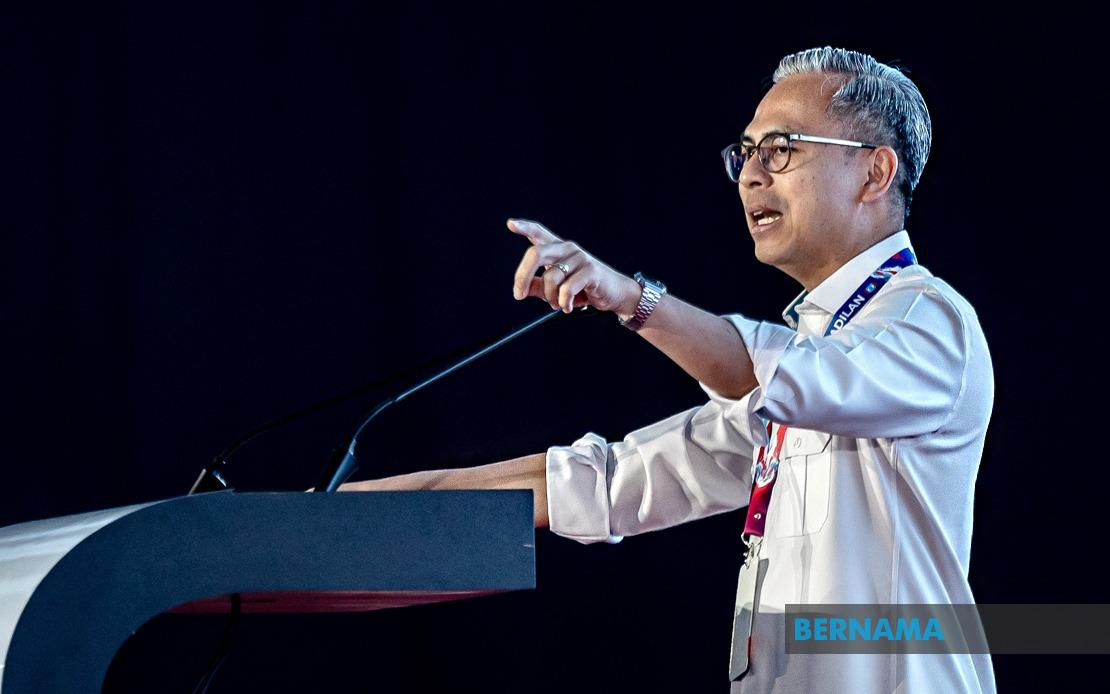
An encouraging trend of civic consciousness is emerging across Malaysia, with the Communications Minister reporting that citizens are paying closer attention to the precise specifications of the Jalur Gemilang during the National Month celebrations. Datuk Seri Fahmi Fadzil made the observations while visiting Melaka on August 16, noting that the heightened scrutiny extends to verifying stripe counts and colour arrangements on the national flag, a development he characterised as evidence of deepening respect for one of Malaysia's most potent national symbols.
The shift reflects a broader awakening among Malaysians regarding the symbolic importance of the Jalur Gemilang, particularly during commemorations of independence and national identity. Rather than treating the flag as merely decorative bunting, Fahmi observed that many citizens have developed an informal quality-assurance consciousness, where individuals routinely inspect flag displays and educate one another about proper specifications. This peer-to-peer correction mechanism represents an organic form of civic engagement that requires no formal enforcement or government directive.
The Communications Minister indicated that no fresh complaints regarding flag misrepresentation have surfaced in recent weeks, suggesting that either compliance has improved or vigilant citizens are addressing infractions before they escalate to official concerns. However, authorities remain cognisant of past incidents, including the controversy surrounding an allegedly incomplete Jalur Gemilang displayed in Batu Buruk, Terengganu, which Fahmi confirmed is under investigation by relevant agencies. By distancing himself from direct intervention in specific cases, Fahmi allowed proper institutional channels to proceed while simultaneously validating public concern about flag standards.
Among vehicle owners, a pragmatic alternative to traditional flag mounting has gained traction, with magnetic Jalur Gemilang stickers replacing bulky physical flags. Fahmi acknowledged this innovation positively, recognising that the shift addresses legitimate concerns about vehicle paint damage while maintaining the patriotic display. This adaptation demonstrates how modern convenience and national pride need not conflict, offering a template for balancing practical considerations with symbolic expression during seasonal celebrations. The flexibility mirrors how Malaysian identity itself evolves while maintaining core values.
Preparations for the Independence Day and Malaysia Day festivities are advancing smoothly across multiple government agencies, with Fahmi confirming that logistical arrangements, educational institution participation, and contingent mobilisation remain on schedule. The Ministry of Education's involvement through human graphic performances underscores how state institutions integrate citizens into patriotic expression, transforming passive observation into active participation. Coordination meetings scheduled for August 17 and August 24 will synchronise efforts across agencies responsible for celebrations in Putrajaya and beyond.
Two major Merdeka Eve events will anchor the capital's celebrations this year. The Ministry of National Unity is organising festivities at Merdeka Stadium, where Prime Minister Datuk Seri Anwar Ibrahim will deliver remarks to assembled crowds, providing executive validation for the independence narrative. Simultaneously, the Kuala Lumpur City Hall will host parallel celebrations at Dataran Merdeka, distributing the focal points of commemoration across iconic locations and enabling broader citizen participation throughout the federal territory.
Beyond ceremonial functions, Fahmi's visit to Melaka encompassed welfare assessments for vulnerable constituents, reflecting the government's integration of social responsibility with national leadership. His visits to stroke patients R. Sathia Devi and Abu Zarin Nordin demonstrated how ministerial engagement extends into households facing chronic health challenges. By assessing milk supplies, Social Welfare Department support mechanisms, and rehabilitation pathways including alternative treatments such as acupuncture, Fahmi modelled how state apparatus should respond to citizen vulnerability during periods of national celebration.
The convergence of patriotic consciousness and practical welfare attention illustrates an administration attempting to balance symbolic nationalism with material governance. While the increased public attention to Jalur Gemilang specifications signifies genuine emotional investment in national identity, the parallel focus on marginalised households suggests an understanding that independence means little for citizens lacking basic healthcare access. This dual emphasis acknowledges that meaningful citizenship encompasses both collective pride and individual dignity.
The grassroots correction culture surrounding flag displays carries implications for broader civic engagement patterns in Malaysia. When citizens feel empowered to educate peers about national standards without waiting for official enforcement, they simultaneously develop stakes in institutional legitimacy and communal norm-setting. This informal quality control, appearing spontaneously rather than through top-down mandates, may represent a healthy evolution toward more mature democratic participation where citizens internalise standards of public conduct.
For Malaysian observers and regional audiences, these developments reveal a nation where patriotic expression remains robust during seasonal moments despite diverse political currents flowing underneath the surface. The enthusiasm for flag specifications and celebration preparations suggests that notwithstanding partisan disagreements, common ground persists around the symbols and narratives of independence. The magnetic flag innovation simultaneously demonstrates Malaysian pragmatism, where emotional attachment to national identity adapts to contemporary constraints without surrendering meaning.
Looking ahead to the August celebrations, the coordination infrastructure being assembled suggests the government is committed to delivering ceremonial grandeur and inclusive public participation. For Malaysians across regions, the dual celebration of Merdeka and Malaysia Day provides anchors for reflecting on national progress while contemplating challenges ahead. Communications Minister Fahmi's observations about growing flag awareness and welfare outreach indicate state institutions recognising that patriotism requires sustenance through both symbolic investment and tangible support for all citizens.

