The Malaysian government is pivoting its National Month 2026 launch toward a more understated yet patriotic celebration, marking a deliberate departure from the expansive public events of recent years. The ceremony, scheduled for July 19 at the Ministry of Health Training Institute Sultan Azlan Shah in Tanjung Rambutan, Perak, will represent a fundamental shift in how the nation's most important civic celebration is presented to its citizens. Muhammad Najmi Mustapha, director of the Information Department's Communications and Community Development Division, explained that this recalibration reflects both practical realities and a refined vision for national unity.
The decision to scale back from the open-air, large-scale gatherings held in previous years—including the 2025 event in Muar, Johor, and the 2024 celebration in Cyberjaya—signals an acknowledgment of broader global circumstances affecting Malaysia's approach to public events. The timing of this year's launch comes amid ongoing international energy supply challenges and persistent regional conflicts in West Asia, factors that have prompted authorities to reassess how national celebrations are resourced and executed. Rather than viewing this as a retreat from the festive spirit, government officials are framing the transition as a strategic opportunity to demonstrate fiscal prudence while maintaining the emotional resonance of the occasion.
Prime Minister Datuk Seri Anwar Ibrahim will officiate the launch ceremony beginning at 10 am, lending the occasion the highest level of governmental endorsement. The event's broadcast reach remains comprehensive despite its indoor setting, with live coverage planned across Radio Televisyen Malaysia, the Malaysian National News Agency, and digital platforms including the Facebook Live channels of Merdeka360, the Ministry of Communications, and the Information Department itself. This multimedia approach ensures that while the physical gathering will be contained, the symbolic significance of the launch reaches across the nation's diverse population through multiple viewing and listening options.
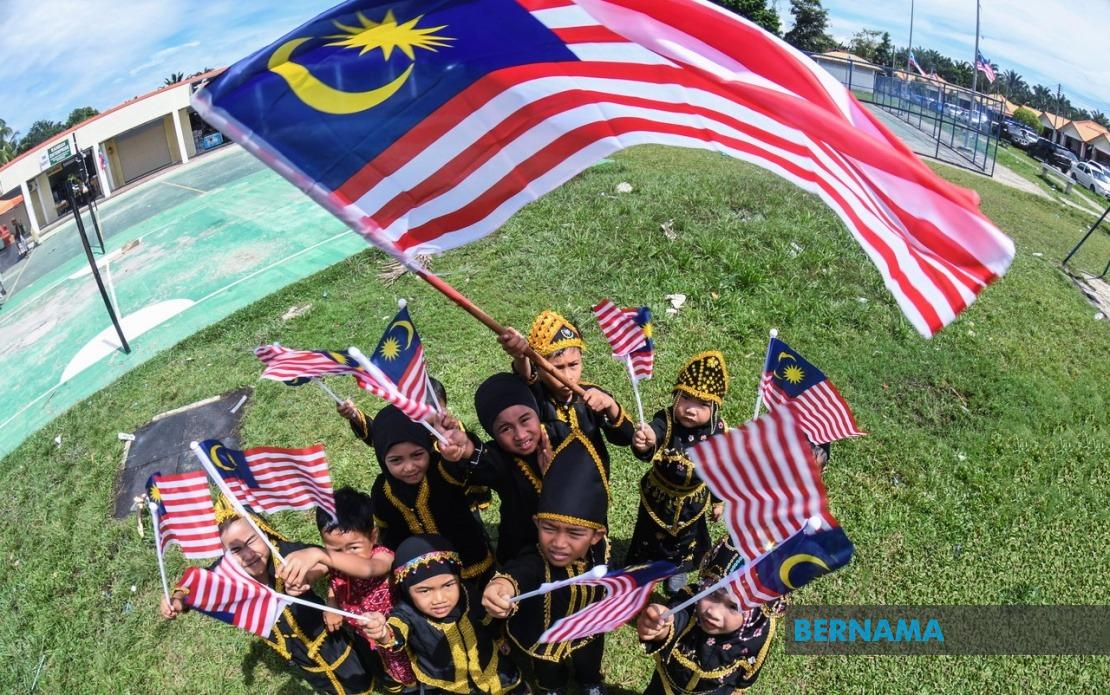
The patriotic dimension of the celebrations will rely increasingly on grassroots participation and individual expression rather than centralized spectacle. The '1 Rumah 1 Jalur Gemilang' campaign, which encourages Malaysian households to display the national flag, continues as the flagship public engagement initiative for 2026. Since its introduction several years ago, the campaign has evolved beyond its original residential focus, now encompassing nine distinct clusters that span education, higher education, healthcare, security forces, community organizations, industrial entities, government agencies, houses of worship, and sports facilities. This expansion reflects a desire to weave patriotic expression throughout the fabric of Malaysian society, making national sentiment a shared endeavor across institutional and community boundaries.
The government is actively leveraging social media platforms to extend the celebratory momentum beyond the official launch event. Officials have encouraged Malaysians to demonstrate their national pride through profile picture changes featuring the Jalur Gemilang and by sharing content related to the National Month using designated hashtags: #HKHM2026, #MalaysiaMADANI, #KesejahteraanDinikmati, and #Merdeka360. This digital-first approach to national celebration reflects the evolving nature of patriotic expression in Malaysia, where online activism and social media engagement have become legitimate and significant channels for civic participation. By providing clear hashtags and branded content frameworks, authorities are attempting to channel organic digital expression while maintaining message coherence across the nation's diverse online communities.
Communications Minister Datuk Seri Fahmi Fadzil has previously announced that the thematic foundation for 2026's celebrations will be 'Malaysia MADANI: Kesejahteraan Dinikmati,' emphasizing shared prosperity and wellbeing as the conceptual pillars of national identity. This thematic selection suggests a deliberate effort to ground patriotism in tangible improvements to citizens' quality of life rather than abstract nationalism. The Malaysia MADANI logo will serve as the official visual identity for the celebrations through 2026, providing visual consistency across the various campaigns and events scheduled throughout the year. The choice of theme demonstrates how national celebrations can be vehicles for communicating government priorities and aspirational messages about the nation's future direction.
The actual National Day 2026 celebration on August 31 will take place at Dataran Putrajaya, maintaining the capital's role as the symbolic center of national commemoration. However, authorities have indicated that this observance will similarly embrace a "modest yet vibrant" character, suggesting that the entire 2026 National Month calendar will reflect the government's revised approach to public celebration. The use of terms like "modest" and "vibrant" simultaneously indicates an attempt to balance fiscal responsibility with emotional resonance, reassuring citizens that financial constraint need not diminish the genuine sense of unity and pride associated with national celebrations.
For Malaysian audiences, this reorientation of how the nation celebrates itself carries implications beyond the immediate 2026 calendar. The shift suggests that government increasingly expects citizens to generate patriotic expression through individual and community action rather than through attendance at state-sponsored spectacles. This places greater responsibility on everyday Malaysians to actively participate in national commemoration, whether through flying flags from homes, engaging on social media, or participating in activities within their respective institutional clusters. The approach also implicitly acknowledges that authentic patriotism may be more effectively expressed through dispersed, grassroots actions than through concentrated public gatherings that require significant logistical coordination and resource allocation.
The regional context adds another dimension to Malaysia's recalibrated celebration strategy. Across Southeast Asia, several nations have similarly adjusted their approach to public events and national celebrations in recent years, reflecting broader economic uncertainties and the need to balance public expression with fiscal discipline. Malaysia's decision to emphasize indoor, technology-enabled celebration and grassroots participation aligns with emerging regional trends toward more efficient, inclusive approaches to national commemoration that don't require citizens to physically congregate but still facilitate shared experience and collective identity-building.
Looking forward, the success of the 2026 National Month approach will likely depend on how effectively the government can maintain genuine enthusiasm and widespread participation through dispersed channels and individual initiative. The proliferation of hashtags, the expansion of the flag campaign to nine clusters, and the emphasis on social media engagement represent interconnected strategies aimed at creating multiple entry points for patriotic participation. If executed well, this decentralized model could demonstrate that effective national celebration requires less centralized control and expenditure than traditional large-scale public events, potentially reshaping how Malaysia approaches future national commemorations.

