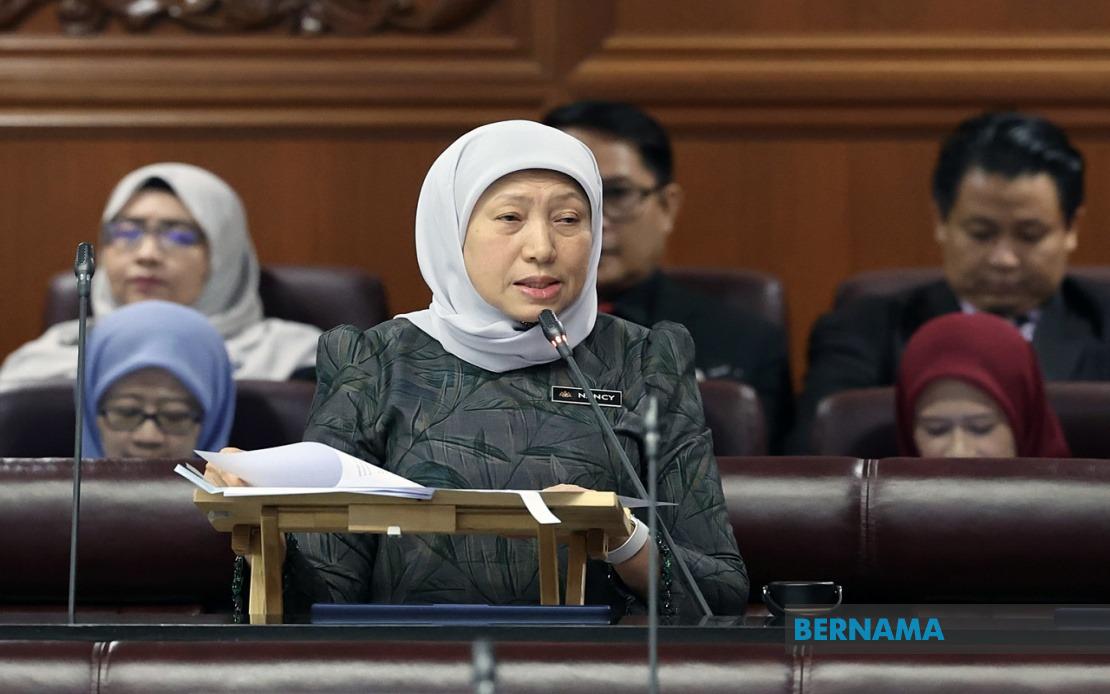
The Ministry of Women, Family and Community Development (KPWKM) has initiated a comprehensive review of Malaysia's Child Act 2001 in response to 159 recommendations issued by the United Nations Committee on the Rights of the Child (UNCRC). Minister Datuk Seri Nancy Shukri announced the undertaking during parliamentary proceedings, signalling a significant shift towards aligning national child protection legislation with international standards and contemporary safeguarding practices.
The UNCRC's Concluding Observations encompass a broad spectrum of recommendations that extend beyond simple legislative amendments. The focus areas identified by the UN body include substantive legal reforms, strengthened mechanisms to prevent child abuse, and more robust implementation strategies to ensure children's rights are genuinely protected in practice rather than merely codified in law. This distinction is crucial for Malaysia, where existing legislation may appear comprehensive on paper but face enforcement challenges in real-world application across diverse communities and jurisdictions.
Nancy explained that the review process will not be confined to her ministry alone. Instead, KPWKM will coordinate a multi-agency effort drawing expertise and operational input from various government departments and relevant stakeholders. This collaborative framework reflects international best practice in child protection policy development, recognising that effective safeguarding requires coordinated action across education, health, law enforcement, social services, and judicial systems. The broader approach acknowledges that siloed ministerial responses often fail to address the interconnected nature of child welfare challenges.
Specific areas receiving scrutiny under the review include the legal frameworks governing child protection and mechanisms for mandatory reporting of suspected abuse. Malaysian child protection advocates have long highlighted gaps in reporting protocols, where awareness of obligations to report child abuse remains inconsistent among professionals. The review will examine how these mechanisms can be strengthened to ensure greater accountability and faster intervention when children are at risk.
Children's court procedures represent another focal point for reform. The existing court system's handling of child cases has faced criticism for delays and inadequate consideration of child-sensitive approaches. By reviewing these procedures through the lens of UNCRC recommendations, Malaysia aims to establish court environments and processes that better serve vulnerable young witnesses and accused minors, reducing trauma and ensuring fairer outcomes grounded in child welfare principles.
The proposed amendments will also address family and community care frameworks, rehabilitation services, and post-intervention support systems. Current gaps in these areas mean that children removed from harmful situations sometimes lack adequate pathways back to family care or alternative stable living arrangements. Rehabilitation programmes frequently suffer from underfunding and limited capacity, while follow-up support to prevent re-abuse or family reintegration failure remains inconsistent across states.
Parental rights and responsibilities, along with the duties of guardians, will receive careful reconsideration. Malaysia's Child Act 2001 contains provisions on these matters, but evolving understandings of effective parenting and contemporary family structures necessitate updates. The review will examine whether current legislation adequately protects children's rights while respecting legitimate parental authority, and whether guardianship frameworks accommodate diverse family arrangements increasingly common in modern Malaysia.
Nancy indicated that the review will clarify the functions and authority boundaries of various stakeholders involved in child case management. Jurisdictional confusion and overlapping mandates between agencies—whether federal or state bodies—have sometimes resulted in delayed action or inconsistent responses to child protection issues. Defining clear roles and responsibilities will improve coordination and accountability, ensuring that responsibility for child welfare does not fall through bureaucratic cracks.
Cross-agency collaboration represents a critical reform dimension. Child protection inherently requires seamless information-sharing and coordinated decision-making among professionals who may work for different organisations under separate accountability structures. The review will examine mechanisms to facilitate such collaboration while respecting privacy and confidentiality requirements, potentially involving new protocols for inter-agency communication and joint training initiatives.
Improving the responsiveness and quality of services for children constitutes another key objective. This encompasses not only crisis intervention but also preventive services that reduce the likelihood of abuse, exploitation, or neglect occurring in the first instance. Family support programmes, community-based safeguarding initiatives, and early warning systems for at-risk children will likely feature prominently in recommended reforms.
For Malaysian readers and policymakers, this review carries significant implications. As the nation develops economically and socially, pressures on traditional family structures, increased urbanisation, and evolving social challenges create new child protection risks. The review represents an opportunity to ensure that legislation and implementation mechanisms evolve accordingly. Beyond Malaysia, this effort demonstrates a Southeast Asian nation taking seriously its international human rights obligations while developing contextually appropriate solutions.
The timeline and detailed methodology for the review remain to be clarified, though Nancy's parliamentary statement indicates active engagement with the UNCRC recommendations. The success of this initiative will ultimately depend on whether recommendations translate into meaningful legislative amendments, adequately resourced implementation, and sustained commitment to child protection as a priority across all government levels and departments.

