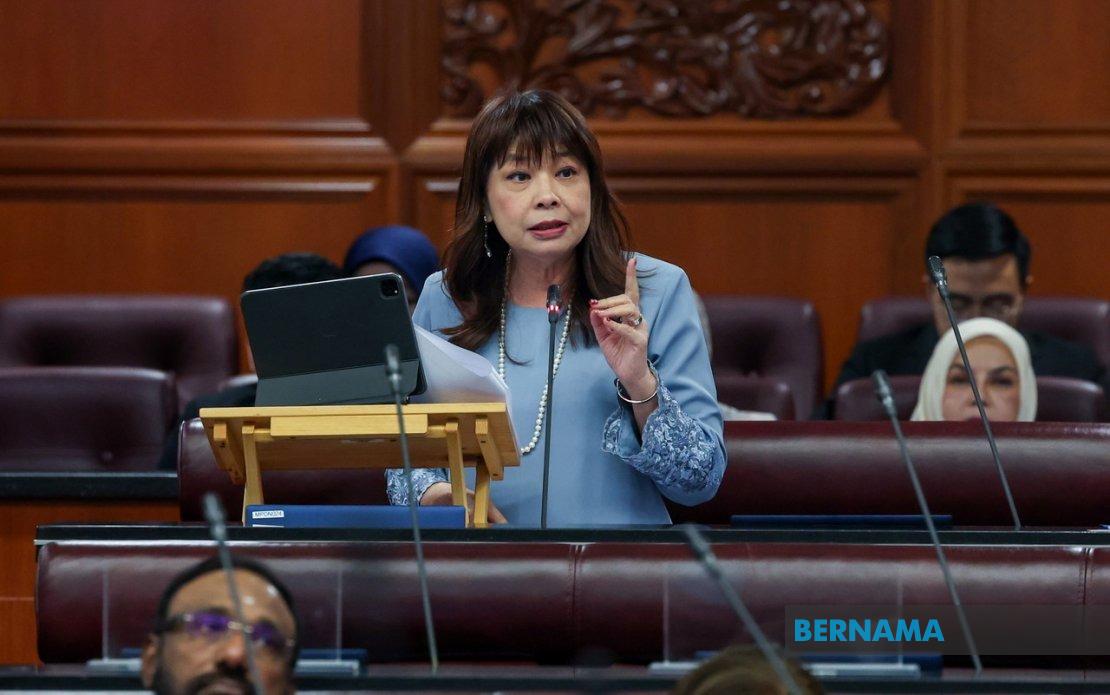
The Talian Kasih 15999 helpline has become an increasingly vital resource in Malaysia's fight against domestic violence, recording 9,327 calls related to abuse cases between 2022 and May 2025, according to Deputy Minister of Women, Family and Community Development Lim Hui Ying. Speaking during Minister's Question Time in Parliament, Lim disclosed that these calls represent a significant portion of the 127,000 total welfare and social complaints the hotline managed during the same period, underscoring the scale of domestic distress affecting Malaysian households.
The ministry's track record in handling these sensitive matters shows substantial progress in case resolution. All domestic violence complaints logged from 2022 through to the current year have been fully addressed and closed, Lim stated, though the pace of resolution has been uneven. During the first five months of 2025 alone, the hotline received 470 calls, of which 406 cases were successfully resolved, with the remaining 64 still progressing through intervention protocols. This resolution rate indicates the ministry's commitment to following through on complaints, though the ongoing caseload suggests demand continues to strain resources.
When responding to a parliamentary query from Datuk Muslimin Yahaya of PN-Sungai Besar regarding the hotline's effectiveness and intervention success rates, Lim outlined the protective measures available to abuse victims. Beyond simply recording complaints, the ministry coordinates concrete safety mechanisms including applications for Emergency Protection Orders and Interim Protection Orders through the courts, as well as coordinating placement in secure shelters for those fleeing dangerous situations. These multi-layered interventions represent the ministry's integrated approach to transitioning vulnerable individuals from crisis to stability.
One of the most significant developments Lim highlighted was the shifting demographic profile of domestic violence in Malaysia. Historically treated as primarily a women's issue, the data reveals that male victims now constitute a growing segment of reported abuse cases. While men remain significantly underrepresented compared to female victims in absolute numbers, the upward trajectory of male-centred complaints suggests either a genuine increase in male victimisation or, more likely, improved willingness among men to report abuse—traditionally a gender that rarely seeks help due to stigma and social expectations around masculinity. This evolution in reporting patterns challenges conventional narratives about domestic violence as exclusively a women's issue.
The ministry's positioning of its mandate as gender-neutral and inclusive reflects a broader shift in Malaysian policy thinking. Rather than maintaining a narrowly focused programme addressing only female victims, the Women, Family and Community Development Ministry now explicitly frames its protective scope as encompassing all races and genders without discrimination. This reframing carries implications for resource allocation, messaging, and support service design, requiring the ministry to develop tailored interventions that address the distinct barriers male, transgender, and other gender-diverse victims face when seeking help.
The scale of 9,327 domestic violence calls over three years translates to an average of roughly 3,100 annually, though this figure likely understates the true incidence of abuse in Malaysia. The gap between reported and actual cases remains substantial, as domestic violence statistics across Southeast Asia consistently demonstrate that only a fraction of victims contact authorities or helplines. Social stigma, financial dependence, housing insecurity, and fear of involvement with law enforcement continue to silence many abuse survivors, suggesting the hotline's numbers capture merely the visible portion of a much larger problem affecting Malaysian families across urban and rural communities.
The parliamentary exchange also underscores how domestic violence has become sufficiently prominent in Malaysian public discourse to warrant direct ministerial accountability in the legislature. Questions about hotline effectiveness and case resolution rates represent a shift from historical patterns where family violence was treated as a private matter beyond government scrutiny. This politicisation—in the constructive sense—of domestic abuse indicates growing parliamentary attention to welfare outcomes and victim protection, reflecting broader regional trends across Southeast Asia where nations are investing more significantly in specialised support infrastructure.
Talian Kasih's role within Malaysia's broader domestic violence ecosystem extends beyond hotline operations. The service functions as an entry point into a web of interconnected interventions including police cooperation, court-ordered protection mechanisms, and shelter networks. The resolution of 406 cases in just five months of 2025, compared to the average annual figure, suggests either seasonal variation in abuse reporting or accelerated processing in recent months. Understanding these temporal patterns could inform resource planning and preventative programming designed to reduce violence before crises trigger hotline calls.
The deputy minister's emphasis on comprehensive follow-up and safety planning represents contemporary best practice in domestic violence intervention. Simply removing someone from an abusive situation temporarily provides incomplete protection; sustainable safety requires coordinated legal protections, shelter security, economic support, and counselling. Malaysia's hotline-to-shelter-to-protection-order pipeline, while imperfect, attempts to address these multiple dimensions. The 64 active cases still requiring intervention as of May 2025 represent ongoing commitments to people navigating complex legal and social processes while rebuilding their lives.
Looking forward, the growing visibility of male victims and the ministry's explicit commitment to gender-neutral service provision suggest Malaysia is moving toward more sophisticated victim-centred approaches that recognise abuse transcends traditional demographic categories. This evolution, coupled with parliamentary oversight of outcomes, creates accountability mechanisms that should drive continued service improvement. However, sustained progress requires not just better hotline operations but addressing underlying social factors—economic inequality, gender norms, access to counselling, and criminal justice efficiency—that perpetuate family violence across Malaysian society and the broader region.

