Malaysia's push to fortify its electrical and electronics industry reflects deepening recognition of the sector's strategic importance to the nation's economic competitiveness and technological standing in an increasingly contested global marketplace. Deputy Investment, Trade and Industry Minister Sim Tze Tzin outlined the government's commitment to sustaining and expanding the E&E sector's capabilities, underscoring that sustained investment and supportive policies remain essential to maintaining Malaysia's relevance among world technology manufacturers. Speaking in George Town after launching initiatives aimed at strengthening industry-government collaboration, Sim emphasized that the Ministry of Investment, Trade and Industry intends to continue empowering electronics companies to preserve the country's foothold in the global technology supply chain.
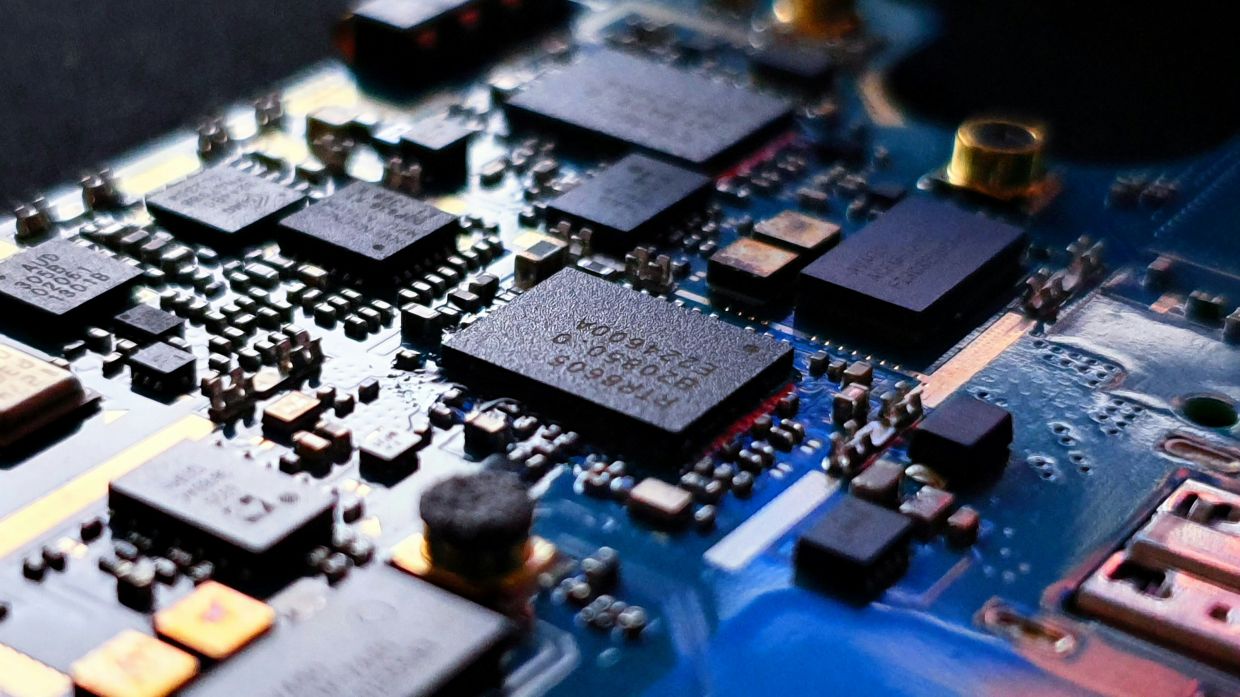
The semiconductor and advanced electronics ecosystem represents far more than a single industrial segment for Malaysia's economy. The sector encompasses sophisticated manufacturing capabilities spanning semiconductor assembly, testing, packaging, and the production of high-tech sensors and telecommunications equipment. These specializations position Malaysia as a critical node in international supply networks, particularly given the strategic importance of semiconductors to modern economies worldwide. The concentration of world-class technology manufacturers, especially across Penang and the Northern Region, has created a deeply integrated industrial ecosystem that generates substantial employment, attracts foreign direct investment, and generates significant export revenues. This regional concentration also facilitates knowledge-sharing, supply chain integration, and technological advancement across linked industries.
The geopolitical context surrounding semiconductor manufacturing and electronics production has intensified the importance of Malaysia's positioning within global supply chains. With rising trade tensions and supply chain vulnerabilities exposed by recent global disruptions, many multinational technology companies actively seek diversified manufacturing locations outside traditional concentration zones. Malaysia's established infrastructure, skilled workforce, and proven track record in high-precision manufacturing make it an attractive alternative for companies seeking supply chain resilience. However, maintaining this advantage requires continuous investment in capabilities, infrastructure modernization, and workforce development to compete effectively against other regional alternatives.
Simultaneously, the government has prioritized export control compliance and licensing frameworks that govern technology sector operations. These regulatory mechanisms, while sometimes perceived as bureaucratic obstacles, serve critical national security functions and ensure that Malaysia's technology sector operates within international norms. Proper export control compliance protects Malaysia's international reputation as a trustworthy trading partner and prevents sensitive technologies from reaching unauthorized destinations. By demonstrating rigorous adherence to international export control regimes, Malaysia strengthens its standing with trading partners and maintains access to advanced technologies and components essential for domestic manufacturers.
The Northern Region Strategic Trade Act Customer Day and the STA Northern Region Clinic programme, which attracted 86 participants, exemplifies the government's approach to direct industry engagement. These initiatives provide manufacturers with practical guidance on product classification procedures, permit applications, interactions with regulatory agencies, and internal compliance auditing. By bringing government expertise directly to industry practitioners, MITI reduces compliance friction and helps companies understand regulatory requirements without disrupting operations. This proactive engagement model recognizes that effective regulation requires industry understanding and cooperation, not merely enforcement from above.
Malaysia's robust trade performance during the first half of the year created favorable conditions for domestic companies, particularly those operating in the E&E sector. Strong export demand and international orders improved margins and profitability for many manufacturers. Sim specifically encouraged companies experiencing strong financial performance to share prosperity with their workforce through wage increases and performance bonuses. This appeal reflects recognition that sustained industrial competitiveness depends on stable, motivated workforces and that employee welfare improvements boost retention and productivity. Furthermore, higher wages in manufacturing sectors support broader consumer spending and domestic economic growth, creating positive multiplier effects throughout the economy.
The semiconductor industry's strategic significance extends beyond immediate economic considerations. Control over semiconductor supply chains represents a form of technological sovereignty in the modern global economy. Nations lacking domestic semiconductor capabilities face vulnerability to supply disruptions and geopolitical coercion. Malaysia's position as a significant location for semiconductor assembly, testing, and packaging operations contributes to both national resilience and international technology security. The industry also serves as an anchor for related manufacturing sectors, including advanced materials production, precision engineering, and logistics services, creating a thick ecosystem of complementary capabilities.
For Southeast Asian readers, Malaysia's experience with technology sector development offers lessons relevant to regional economic strategies. The concentration of manufacturing capabilities in specific geographic zones with developed supporting infrastructure demonstrates the importance of strategic clustering and institutional coordination. Malaysia's success in attracting and retaining multinational technology investments reflects deliberate policy choices favoring manufacturing infrastructure, skills development, and regulatory predictability. These approaches contrast with strategies focused primarily on low-cost labor, suggesting that sustainable competitive advantage in electronics requires continuous investment in capabilities rather than reliance on static cost advantages.
Looking forward, Malaysia faces ongoing challenges in sustaining its position within global technology supply chains. Rising automation in manufacturing may reduce the labor intensity of electronics assembly operations, potentially eroding one traditional advantage. Simultaneously, increasing competition from countries offering lower costs or newer manufacturing capacity presents persistent challenges. The government's emphasis on export control compliance and industry engagement suggests an understanding that Malaysia's future advantage lies in becoming a sophisticated, reliable, trusted partner for multinational technology companies rather than a low-cost production location. This positioning requires continuous investment in workforce capabilities, infrastructure modernization, and regulatory frameworks that balance security concerns with operational efficiency. The collaboration between government agencies and industry players that MITI is fostering will prove essential to navigating these evolving dynamics successfully.

