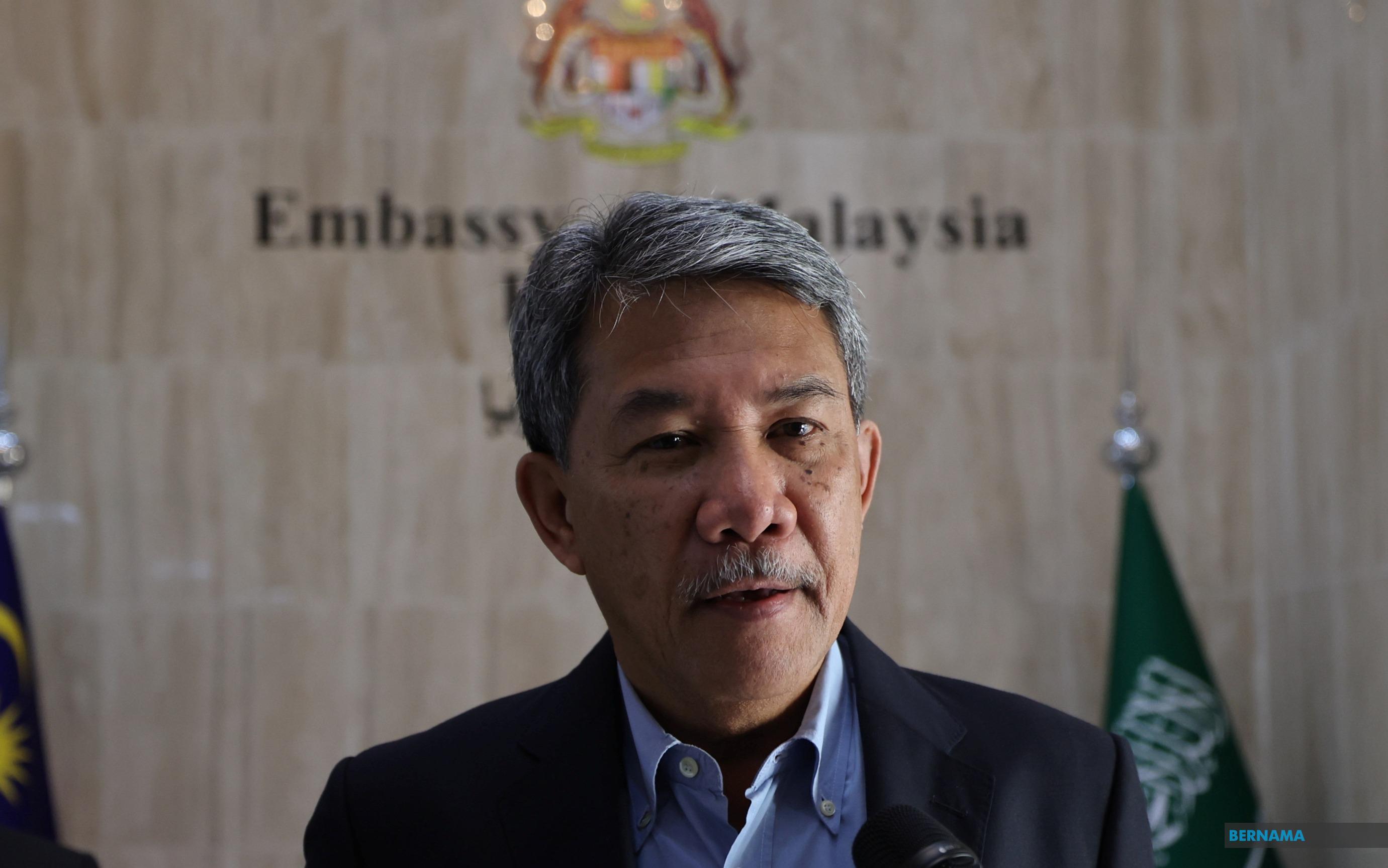
Foreign Minister Datuk Seri Mohamad Hasan is undertaking a three-day working visit to Brunei, arriving today and departing on August 22, in line with two significant bilateral engagements that underscore the depth of Malaysia-Brunei relations. The visit centres on the 27th Malaysia-Brunei Exchange of Letters (EOL-27) Implementation Meeting scheduled for August 21 and the 27th Malaysia-Brunei Annual Leaders' Consultation (ALC-27) on August 22, both of which serve as pillars of the diplomatic framework binding the two nations.
The EOL meeting will be jointly chaired by Mohamad Hasan and Brunei's Second Minister of Foreign Affairs, Datuk Seri Setia Erywan Mohd Yusof, reflecting the ministerial-level importance placed on these discussions. This gathering functions as a crucial mechanism within Malaysia-Brunei diplomacy, designed to tackle outstanding bilateral concerns, identify fresh avenues for partnership, and assess the implementation of commitments made during the previous year's annual leaders' consultation. The agenda reflects both governments' recognition that sustained dialogue at regular intervals is essential to maintaining the momentum of their relationship.
Among the substantive matters expected to feature prominently are boundary questions affecting both nations. Land and maritime boundary issues represent longstanding elements of Malaysia-Brunei engagement, requiring continued technical dialogue and political commitment to resolution. These discussions typically involve detailed mapping exercises, historical documentation reviews, and exploration of mutually acceptable frameworks that respect each nation's sovereignty whilst acknowledging the practical realities of shared borders and maritime zones in the region.
Economic cooperation between Malaysia and Brunei constitutes another focal point for the bilateral agenda. Trade performance reflects the commercial interdependence of the two economies, though figures reveal fluctuating patterns. In 2025, bilateral trade reached RM5.86 billion, equivalent to USD 1.37 billion, indicating a substantial trading relationship. However, data from the first half of 2026 shows trade at RM2.38 billion (USD 0.6 billion) for the January-June period, suggesting seasonal variations or shifts in trading patterns that warrant ministerial attention and strategic planning.
The exchange of letters mechanism itself represents a formalised diplomatic procedure through which both governments document their agreements and chart the course of bilateral cooperation across multiple sectors. By implementing and reviewing these letters annually, Malaysia and Brunei maintain comprehensive oversight of their commitments and can adjust strategies based on changing circumstances or emerging opportunities. This structured approach has proven effective in preventing misunderstandings whilst promoting proactive engagement on shared interests.
For Malaysia, this visit underscores the strategic importance placed on relations with Brunei, a nation that shares not only geography but also cultural, religious, and historical ties within the broader Southeast Asian context. Brunei's significance extends beyond its size or economic weight, as it occupies a central position within ASEAN and maintains close ties with multiple regional powers. The consistent high-level diplomatic engagement reflected in annual leaders' consultations demonstrates Malaysia's commitment to nurturing this relationship as a cornerstone of its broader regional foreign policy.
The timing of these meetings also reflects the cyclical nature of bilateral diplomacy in Southeast Asia, where regular consultations at fixed intervals allow both nations to conduct comprehensive reviews of their partnership trajectory. The annual leaders' consultation serves as the apex forum for such discussions, enabling prime ministers or their senior representatives to set strategic direction and address issues that might require political authority to resolve. Supporting mechanisms like the EOL meeting provide the technical and administrative foundation upon which these high-level decisions rest.
Beyond the formal agenda, such visits typically create informal opportunities for delegations to explore potential new initiatives or address emerging concerns that may not have been formally tabled but warrant discussion. The working visit format allows for flexible scheduling and off-the-record conversations that often prove as valuable as formal sessions in building mutual understanding and identifying creative solutions to shared challenges.
The Malaysia-Brunei relationship exemplifies the type of substantive bilateral engagement that characterises stability within ASEAN. Unlike relationships strained by historical grievances or competing strategic interests, Malaysia and Brunei have built a partnership grounded in pragmatism, regular communication, and mutual respect for sovereignty. This three-day visit, though perhaps less visible to international observers than larger multilateral gatherings, represents the consistent diplomatic labour that underpins regional cohesion and ensures that bilateral relations remain constructive and forward-looking despite inevitable complications.

