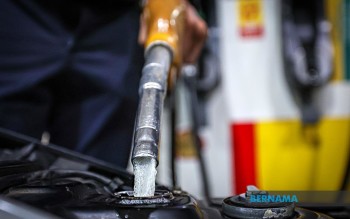
Malaysia's fuel subsidy burden could balloon to RM3.5 billion per month if crude oil prices stabilise around US$90 per barrel, according to government estimates disclosed in parliament this week. Deputy Finance Minister Liew Chin Tong revealed that RON95 petrol subsidies alone would consume roughly RM2 billion monthly under these conditions, whilst diesel support would require an additional RM1.5 billion. The projections underscore the mounting pressure on public finances as global energy markets remain volatile following geopolitical tensions and production concerns.
The government's disclosure comes as Kuala Lumpur seeks to balance its commitment to affordable fuel prices for consumers with the fiscal constraints of an expanding subsidy bill. Fuel subsidies have historically been among Malaysia's largest budgetary items, often constraining resources available for development projects and social programmes. The current estimates assume crude remains in a specific price band; any further escalation would push subsidy costs significantly higher and potentially force difficult policy choices between maintaining affordability and meeting deficit reduction targets.
Despite these substantial subsidy pressures, Liew sought to reassure parliament that Malaysia's overall fiscal position remains sound. He emphasised that government revenue streams from petroleum extraction and export remain robust, offsetting some subsidy expenses. Specifically, the Deputy Finance Minister highlighted that every one-dollar increase in oil prices per barrel generates approximately RM300 million in additional government revenue through the national oil company's operations and related taxation. This revenue mechanism provides a partial cushion against the subsidy burden, though the relationship is not entirely proportional since global oil price increases trigger simultaneous increases in both subsidy costs and government earnings.
The revenue offset from higher oil prices offers Malaysia a degree of automatic fiscal stabilisation when global energy costs spike. However, this arrangement also creates a dependency on petroleum markets that many economists argue leaves the country vulnerable to supply shocks and price volatility. With Malaysia's economic diversification efforts still ongoing, reliance on oil-linked revenues and the need to subsidise fuel prices represent ongoing structural challenges for medium-term fiscal management.
Liew indicated that the government will reassess its fiscal position comprehensively when Prime Minister Datuk Seri Anwar Ibrahim tables the 2027 Budget in October. The timing is significant, as it allows policymakers to incorporate the latest economic data, oil price trends, and global forecasts into their medium-term planning assumptions. Any revisions to fiscal projections at that stage could signal adjustments to subsidy policy or other budgetary measures, making the October announcement a critical juncture for understanding the government's fiscal trajectory.
The Deputy Finance Minister's parliamentary response also touched on regional equity concerns regarding fuel subsidies. A senator raised questions about expanding the BUDI Diesel programme quota for Sabah and Sarawak, two states whose economies depend significantly on fuel-intensive activities including transport, agriculture, and small-scale manufacturing. Liew responded positively to the suggestion, noting that the government maintains flexibility to expand subsidy allocations for specific groups facing documented hardship or engaged in essential economic activities.
The government has already extended special fuel quota arrangements for pickup truck operators, a group prevalent in rural and eastern Malaysian economies where such vehicles are essential for business operations. The application process for these expanded allocations is deliberately simplified to ensure accessibility. This targeted approach reflects recognition that whilst broad-based fuel subsidies benefit wealthier vehicle owners disproportionately, strategic extensions to specific professional groups can address legitimate economic needs more efficiently than across-the-board increases.
For Malaysian readers, these subsidy projections carry direct implications for cost of living pressures and inflation management. Rising fuel prices historically cascade through the economy, affecting transport costs, food prices, and production expenses across industries. The government's commitment to maintaining subsidies thus serves a broader macroeconomic stabilisation function beyond simply keeping pump prices low. However, the fiscal cost of this approach limits alternative spending, a trade-off that becomes increasingly acute if oil prices remain elevated through 2024 and beyond.
The subsidy dynamics also carry broader regional significance. Neighbouring countries including Indonesia have pursued subsidy rationalisation or removal, redirecting resources toward development and social safety nets. Malaysia's persistence with widespread fuel subsidies, whilst politically popular, represents a contrasting policy choice that ties up substantial fiscal resources. Regional analysts often note this divergence when comparing fiscal sustainability across Southeast Asian economies, with questions arising about whether Malaysia's approach remains viable in the longer term if oil prices experience sustained elevation.
Looking ahead, the government faces mounting pressure to balance multiple objectives: maintaining fuel affordability, controlling fiscal deficits, investing in infrastructure, and funding social services. The RM3.5 billion monthly subsidy bill at US$90 oil prices represents a significant constraint on these competing priorities. Unless oil prices decline materially or the government implements efficiency measures elsewhere in the budget, subsidy costs could threaten broader economic policy objectives.
The Deputy Finance Minister's statements reflect official confidence in Malaysia's fiscal resilience, yet they simultaneously confirm that fuel subsidies remain a substantial and growing challenge. The government's flexibility regarding targeted quota expansions suggests policymakers recognise that blanket subsidy increases are unsustainable, yet they continue resisting broader structural reforms. This gradualist approach may maintain short-term political stability, but it defers harder decisions about long-term subsidy architecture and fiscal sustainability that will eventually require parliamentary and public attention.

