Malaysia's healthcare system faces mounting pressure from a significant shortage of medical specialists, a challenge that the Health Ministry is now moving swiftly to address through comprehensive structural reforms. Speaking during a press conference at a facility opening in Putrajaya on June 19, Health Minister Datuk Seri Dr Dzulkefly Ahmad acknowledged that the nation currently lacks approximately 11,000 specialists across both public and private sectors, a gap that threatens the sustainability of healthcare delivery as patient demand continues to climb. The minister's remarks signal a turning point in how the ministry approaches workforce development, marking the culmination of an extended review period aimed at identifying and removing systemic obstacles that have previously constrained the training pipeline for aspiring medical professionals.
The bottlenecks preventing faster specialist training span multiple layers of the healthcare bureaucracy, reflecting decades of ad-hoc policymaking that failed to anticipate current staffing needs. Dr Dzulkefly emphasised that while administrative constraints exist, the ministry is now in its concluding phase of dismantling these barriers to accelerate specialist production. The scale of the shortage—encompassing both public hospital networks and private practice sectors—illustrates how Malaysia's healthcare infrastructure has become dangerously dependent on stretched existing workforces. The absence of sufficient specialists has already begun manifesting in longer wait times, reduced access to specialised care in regional areas, and burnout among the medical professionals currently managing the gap.
Crucially, the minister linked specialist expansion directly to parallel infrastructure development, rejecting the notion that training numbers can expand independently of physical and organisational capacity. This measured approach reflects a hard-learned lesson from previous attempts to boost specialist numbers without corresponding investments in facilities, equipment, and supporting staff. The phased rollout strategy recognises that hastily expanding the specialist cohort without adequate hospital infrastructure would merely shift the workforce bottleneck rather than resolve it. By synchronising growth with facility improvements and additions, the ministry aims to create a sustainable ecosystem where new specialists enter environments equipped to absorb them productively.
The ministry has already deployed an interim crisis management framework organised around hospital clusters to manage current shortages while permanent solutions mature. Under this cluster system, neighbouring hospitals and primary health clinics coordinate resources, redeploy staff according to operational urgency, and share specialist expertise across geographical zones. This collaborative structure prevents any single facility from bearing the full weight of the specialist shortage whilst buying time for the training pipeline to mature. The approach reflects a pragmatic acknowledgement that transforming the specialist workforce cannot happen overnight, and interim measures must stabilise patient care during the transition period.
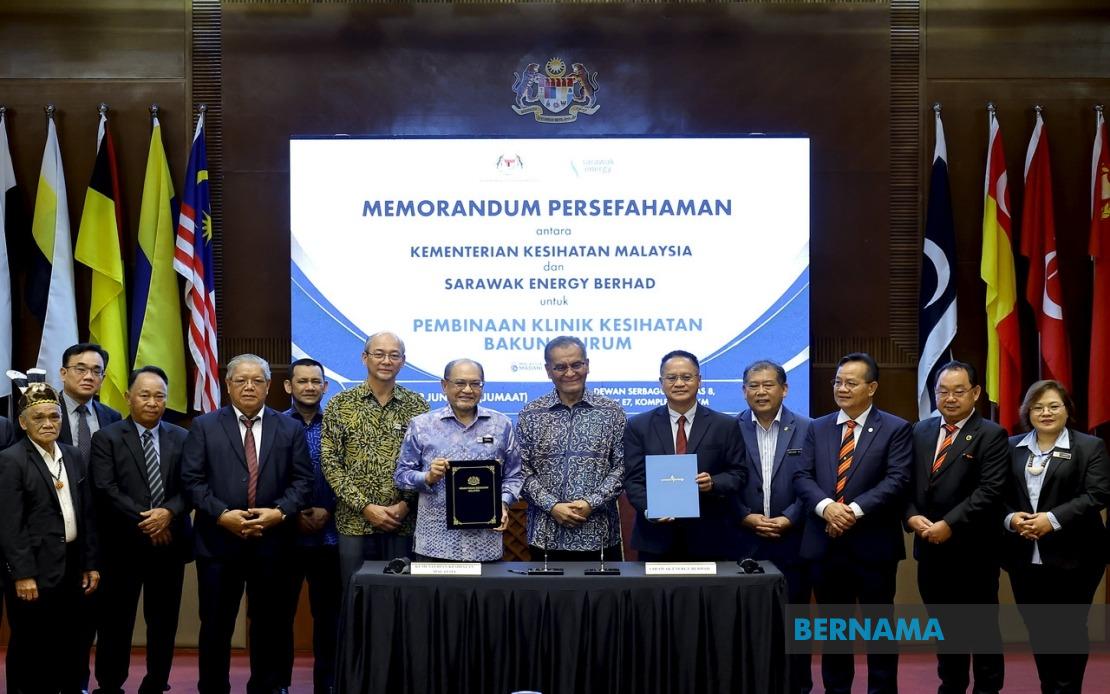
For Malaysian healthcare stakeholders, including regional hospitals, private practitioners, and patients in underserved areas, this announcement carries significant implications. States like Sarawak, which rely heavily on federal health infrastructure initiatives, stand to benefit from the ministry's commitment to align specialist recruitment with new facility development. The Health Ministry's partnership with Sarawak Energy for the Bakun-Murum Health Clinic exemplifies how the government is expanding physical healthcare infrastructure in tandem with workforce planning. This integrated approach promises to address not merely the quantity of specialists but their distribution, potentially reducing the concentration of specialists in urban centres and improving access in rural and remote regions.
The bureaucratic impediments that Dr Dzulkefly referenced encompass several specific challenges within Malaysia's medical training ecosystem. Regulatory pathways for specialist qualification recognition, visa and work permit procedures for recruiting specialists internationally during the transition phase, and institutional frameworks governing postgraduate training all require streamlining. Additionally, competition from neighbouring nations offering more attractive working conditions has historically drawn Malaysian-trained specialists abroad, a brain drain that further depletes local capacity. By resolving administrative barriers, the ministry aims to make specialist careers more attractive domestically whilst facilitating the temporary recruitment of foreign specialists to bridge gaps.
The reported shortage of 11,000 specialists demands urgency because the gap directly constrains Malaysia's healthcare system's capacity to address rising disease burdens associated with an ageing population and increasing chronic disease prevalence. Cardiovascular diseases, oncology, neurology, and endocrinology—specialties critical to managing lifestyle diseases—are among the most acutely understaffed fields. Rural and semi-urban areas face disproportionate shortages, with some districts relying on single specialists for populations exceeding 500,000. This geographic maldistribution means that many Malaysians, particularly in less developed regions, effectively lack access to specialist care despite the service theoretically being available within the national health system.
The ministry's emphasis on progressive, needs-based expansion reflects a maturation of healthcare workforce planning in Malaysia. Rather than pursuing arbitrary targets, the phased approach prioritises specialty areas facing the severest shortages and regions with the greatest access gaps. This targeted strategy maximises the impact of increased specialist production and ensures that limited training resources concentrate on areas of highest population need. Long-term planning documents now driving these decisions consider demographic trends, disease epidemiology, and healthcare facility locations to predict where specialists will be required in five to ten years, enabling the training pipeline to align supply with future demand rather than merely responding to present crises.
International experience demonstrates that specialist shortages persist for years even after reform initiatives commence, and Malaysia's multi-year timeline for phased resolution reflects realistic expectations. Countries including Singapore and South Korea invested heavily in specialist training expansion following their own workforce crises, but the full effects of these programmes took a decade to fully manifest. Malaysia's timeline suggests that meaningful reductions in the current shortage will likely emerge by 2026-2027, with full resolution extending further into the coming decade. This extended timeline underscores why interim measures like cluster management are essential to maintain healthcare service quality during the transformation period.
The health minister's announcement also carries indirect implications for healthcare costs and service accessibility. Specialist shortages artificially inflate private sector fees as demand outpaces available appointments, pushing costs beyond reach for many middle-income Malaysians. Conversely, overloaded public sector specialists face pressures that compromise care quality and increase medical error risks. By moderating the shortage through expanded training, the ministry aims to stabilise specialist fees, reduce waiting times in both sectors, and relieve workforce pressures that threaten service reliability. These outcomes would represent meaningful improvements to Malaysia's healthcare accessibility landscape, particularly benefiting populations in secondary and tertiary cities where specialist services currently operate at capacity.
The broader context of healthcare reform in Malaysia positions specialist workforce development as integral to the government's ambitions for improving healthcare system efficiency and equity. As Malaysia transitions from primarily managing infectious diseases to managing chronic disease epidemiology characteristic of higher-income nations, the specialist-to-population ratio must rise substantially to match international benchmarks. The Health Ministry's phased approach, whilst administratively measured, represents a genuine commitment to narrowing this gap and building a more resilient healthcare system capable of serving Malaysia's evolving healthcare needs. Whether these reforms ultimately succeed will depend on sustained political commitment to infrastructure investment and bureaucratic reform even as pressures emerge for faster, less coordinated expansion.

