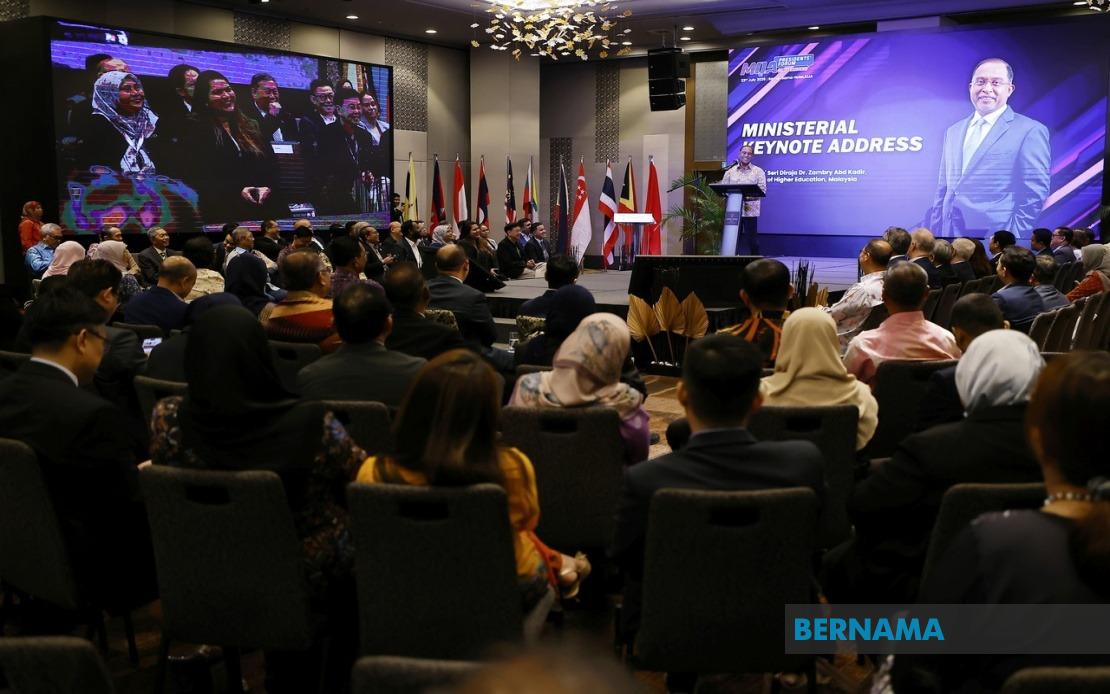
The Malaysian government has committed to resolving critical accommodation shortages at polytechnics nationwide, as Higher Education Minister Datuk Seri Dr Zambry Abd Kadir unveiled plans to rehabilitate aging hostel facilities. Speaking at the 2026 Malaysian Qualifications Agency Presidents' Forum in Sepang, Zambry framed the infrastructure crisis not as a failure but as evidence of the government's successful push to encourage more secondary school graduates to pursue technical and vocational pathways. The accommodation strain, he explained, represents a consequence of unprecedented demand for TVET programmes, marking a significant shift in Malaysian educational preferences.
The scale of this enrollment surge has been remarkable. During the first intake session for 2026 and 2027, polytechnics recorded more than 30,000 new registrations, representing an achievement rate exceeding 125 per cent of targets. This figure underscores a fundamental transformation in how Malaysian school-leavers view their post-secondary options. Where vocational education was once regarded as a fallback choice, it has increasingly become an active preference among Sijil Pelajaran Malaysia (SPM) certificate holders. The government's sustained advocacy for TVET—rooted in labour market realities and economic diversification imperatives—appears to be resonating with families across the country.
However, this success story has exposed serious infrastructure gaps. Polytechnics across Malaysia are grappling with capacity constraints that extend beyond classroom space to fundamental student welfare. Many institutions, particularly those established decades ago, operate hostel facilities that have deteriorated significantly through age and sustained usage. Zambry acknowledged that several polytechnic dormitories have fallen into poor condition and now require substantial maintenance work to provide students with acceptable living standards. The Ministry recognises that overcrowding in substandard accommodation would undermine the broader TVET agenda by compromising student welfare and experience.
The Higher Education Ministry's response has involved two complementary strategies. First, officials have undertaken systematic assessments to identify which polytechnic hostels present the most pressing maintenance concerns, prioritising facilities showing signs of structural or safety issues. Second, Zambry revealed that the ministry has formally requested government funding for repair and renovation works across multiple polytechnic campuses. These requests move beyond cosmetic upgrades to address fundamental problems with aging infrastructure—work that requires capital investment and careful planning rather than temporary fixes. The minister expressed confidence that these requests would be approved, using the phrase "Insya-Allah" to emphasise commitment while acknowledging the administrative processes involved.
Zambry's disclosure also revealed organizational steps taken within the Higher Education Ministry itself. He instructed Polytechnic and Community College Education Department director-general Dr Shamsuri Abdullah to implement immediate measures addressing student placement and associated matters. This directive suggests the ministry is mobilising its operational apparatus to manage the surge, moving beyond infrastructure considerations to tackle logistics around accommodation allocation, roommate assignments, and welfare support. The timing of these instructions indicates the ministry recognised the crisis required rapid response as new students prepared for their polytechnic intake.
The polytechnic accommodation issue reflects broader patterns of educational transformation across Southeast Asia. Malaysia, like its regional neighbours, faces mounting pressure to develop technical and vocational workforces capable of supporting manufacturing, services, and technology sectors. This strategic imperative has led governments to position TVET as equally prestigious to academic pathways, a positioning that challenges longstanding cultural preferences. When such reorientation succeeds—as Malaysia's appears to be doing—institutions scramble to accommodate demand they were not designed to handle. The hostel crisis thus represents a high-quality problem arising from policy success rather than failure.
For Malaysian employers and industry groups, this surge in TVET enrollment promises a potential expansion in skilled labour supply. Manufacturing sectors, construction, hospitality, and technology services all depend on workers with vocational qualifications. The polytechnic system feeds directly into these employment pipelines, making the accommodation issue not merely a student welfare matter but an economic competitiveness concern. Delays in addressing hostel conditions could harm student outcomes, retention, and ultimately workforce quality. Conversely, successful rehabilitation of facilities would signal sustained government commitment to TVET expansion.
The financial implications warrant scrutiny. Polytechnic hostel repairs demand capital expenditure in an environment where governments face competing demands for educational investment. Costs could escalate depending on the extent of required work, particularly at institutions where deferred maintenance has accumulated over years. The ministry's formal budget requests suggest officials recognise this work cannot proceed through cost-cutting or partial measures. Full rehabilitation requires resources commensurate with the challenge, a reality the minister appears to have conveyed to government leadership.
This accommodation crisis also raises questions about planning frameworks for polytechnic expansion. If institutions anticipated 125 per cent enrollment achievement, did facility planning keep pace? The acknowledgment that specific hostels require attention suggests enrolment growth outstripped infrastructure development—a planning gap that future intake cycles must avoid. Beyond hostel rehabilitation, the polytechnic sector may need to consider whether existing facilities can sustainably accommodate continued growth or whether new campus developments must accompany expanded admissions targets.
The minister's framing of this challenge as a positive development reflects pragmatic political communication. Rather than apologising for infrastructure gaps, Zambry positioned overcrowding as validation of successful policy. This narrative resonates with government initiatives promoting TVET and technical skills development as pillars of Malaysia's economic future. Students and families reading between the lines understand, however, that commitment to this transformation requires investment beyond rhetoric—investment now visible through requests for hostel rehabilitation funding.
Looking ahead, the polytechnic accommodation issue will serve as a test case for government follow-through on TVET commitments. If hostel repairs proceed promptly and comprehensively, the government strengthens its credibility with aspiring vocational students and their families. If repairs stall or remain incomplete, the goodwill generated by record enrollment rates could dissipate quickly. For Malaysian higher education policy, the stakes extend beyond dormitory comfort to fundamental questions about whether vocational pathways receive the investment and institutional commitment they demand.

