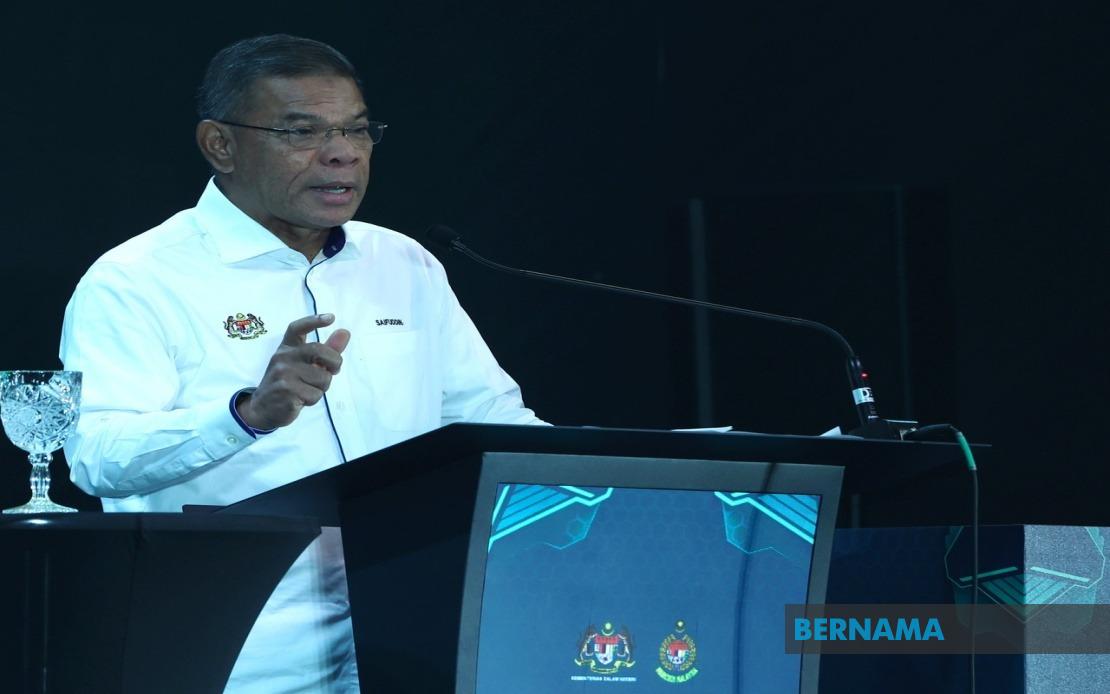
The Home Ministry expects to deliver a complete database of Malaysia's refugee population before 2024 concludes, marking a significant advancement in the country's approach to managing migration and asylum-related challenges. Announced by Home Minister Datuk Seri Saifuddin Nasution Ismail at the 2026 Immigration Day celebrations in Cyberjaya, the Refugee Registration Document (DPP) programme represents a comprehensive overhaul of how authorities track and administer refugee affairs across the nation. This initiative, spearheaded by the Immigration Department of Malaysia, signals the government's commitment to establishing more robust systems for identifying and registering individuals classified as refugees.
The DPP programme addresses a longstanding gap in Malaysia's migration infrastructure. Previously, authorities lacked reliable, centralised data on the refugee population, hampering efforts to develop effective policy responses or allocate resources efficiently. By implementing this registration scheme, the government aims to collect granular information encompassing biometric records, identity details, and demographic profiles of all successfully registered refugees. Such comprehensive information will enable more informed decision-making across relevant government agencies and facilitate better coordination between the Home Ministry, immigration authorities, and other stakeholders involved in refugee management.
The initiative aligns with Malaysia's National Security Council Directive No. 23 (Revised 2023), reflecting how refugee management has become intertwined with broader national security considerations. This positioning underscores the government's view that systematic registration and documentation of refugee populations serve dual purposes: humanitarian administration and security oversight. For Malaysia, which hosts significant refugee populations including Rohingya from Myanmar and Syrian refugees, establishing verifiable identity records represents both a practical administrative necessity and a response to international pressures regarding migrant management.
Saifuddin Nasution's announcement occurred during ceremonies celebrating Immigration Day, an occasion that allowed him to highlight broader achievements within Malaysia's immigration framework. Deputy Prime Minister Datuk Seri Dr Ahmad Zahid Hamidi's attendance underscored the initiative's political importance, signalling cross-ministerial support for strengthening immigration institutions. The presence of senior civil service figures, including Chief Secretary to the Government Tan Sri Shamsul Azri Abu Bakar and Immigration Director-General Datuk Zakaria Shaaban, further demonstrated institutional commitment to enhancing Malaysia's immigration apparatus.
Beyond refugee registration, the Home Ministry has pursued parallel initiatives to enhance Malaysia's global positioning through improved passport and immigration services. The country's passport recently achieved ranking as the world's third most powerful, a metric reflecting visa-free access and international recognition. This standing carries significance for Malaysian citizens and the broader economy, as it facilitates business travel, tourism, and professional mobility. The recognition validates Malaysia's diplomatic standing and regulatory compliance with international immigration standards.
The ministry has simultaneously introduced technological innovations to streamline bureaucratic processes. New passport applications now complete processing within one hour—a claim positioning Malaysia ahead of international competitors in administrative efficiency. This speed represents substantial practical benefit for Malaysian citizens requiring travel documents, reducing administrative friction that previously characterised immigration procedures. The investment in rapid processing reflects broader government efforts to improve citizen-facing services and modernise institutional capabilities.
Enhanced security features on newly launched international passports demonstrate Malaysia's commitment to preventing document fraud and counterfeiting. The inclusion of 94 security features represents sophisticated integration of physical and biometric safeguards, protecting both passport holders and national interests. Such technological sophistication positions Malaysian travel documents competitively within global markets and reassures trading partners regarding the reliability of Malaysian documentation.
The Immigration Department's support for Malaysia's medical tourism sector illustrates how immigration functions extend beyond traditional border management. By facilitating entry procedures for international patients and related professionals, JIM contributes to Malaysia's ranking as the world's first in medical tourism during 2025. This functional integration demonstrates how modernised immigration systems generate economic benefits beyond security considerations, creating pathways for high-value service exports.
The establishment of Expatriate Satellite Centres at Kuala Lumpur International Airport represents targeted institutional innovation addressing Malaysia's strategic economic priorities. By streamlining procedures for foreign investors and skilled workers in critical sectors including semiconductors, these centres directly support Malaysia's economic diversification and technological advancement objectives. For Southeast Asian readers, this demonstrates how Malaysia leverages immigration administration as a competitive economic tool, attempting to attract global talent and capital to strategic industries.
These concurrent initiatives collectively reflect Malaysia's attempt to position immigration administration as a modernised, efficient government function rather than purely a security apparatus. The framing of JIM as a "mature and respected institution" suggests aspiration toward regional leadership in immigration management standards. For neighbouring Southeast Asian nations grappling with similar refugee and migration challenges, Malaysia's systematic approach offers both a model and potential framework for regional cooperation.
The refugee registration programme particularly matters for Southeast Asia given the region's complex displacement patterns. Myanmar's ongoing civil conflict, Afghanistan's humanitarian crisis, and broader regional instability have generated substantial refugee populations. Malaysia's decision to systematise refugee data collection positions it as a regional data leader, potentially enabling better humanitarian coordination and burden-sharing discussions among ASEAN members. Conversely, the programme's integration with national security frameworks reflects broader global tensions between humanitarian obligations and security concerns that characterise contemporary migration debates.
For Malaysian citizens and residents, the combined announcements reflect institutional modernisation affecting daily interactions with government. Faster passport processing, enhanced security features, and streamlined procedures for expatriate workers collectively indicate government investment in removing administrative barriers. These changes carry broader implications for Malaysia's attractiveness as both a residence destination for international talent and a convenient jurisdiction for business operations and travel.
The year-end deadline for refugee registration completion establishes a measurable institutional commitment, creating accountability for the Home Ministry's performance. Successfully delivering comprehensive refugee data would represent significant administrative achievement and provide essential information for evidence-based policymaking. However, execution challenges—including locating unregistered populations, ensuring data accuracy, and managing privacy concerns—may determine whether the ambitious timeline proves achievable or requires extension.

