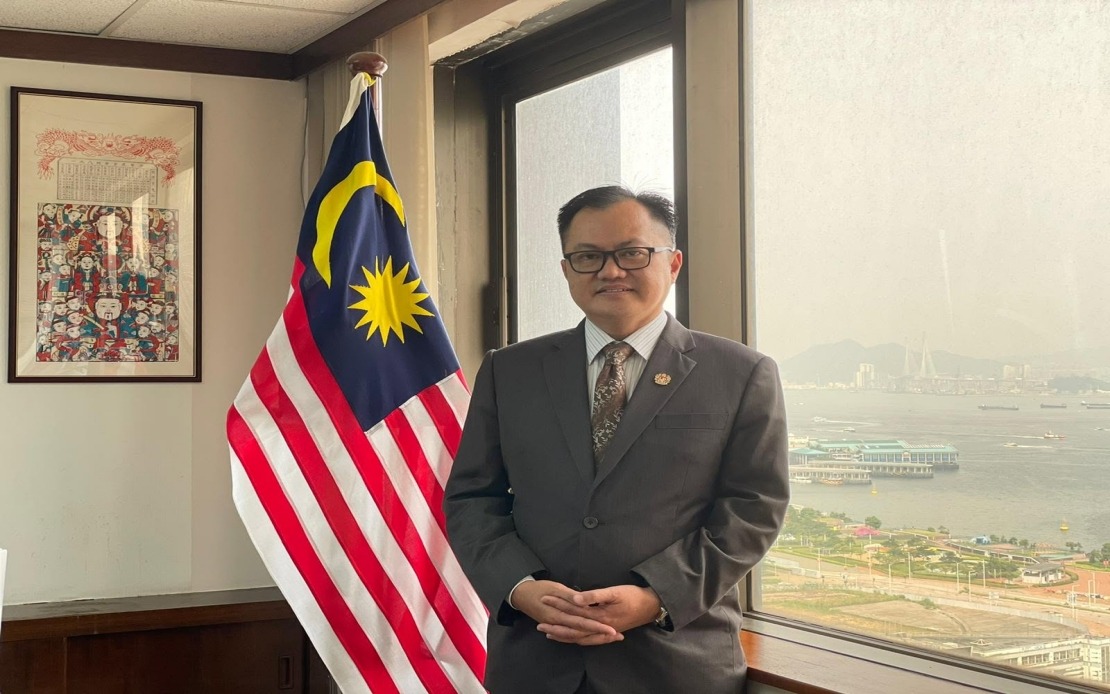
Malaysia's Consulate General in Hong Kong has pushed back against media coverage suggesting that overseas Malaysian voters faced barriers during the recent Johor state election, asserting that it had implemented a comprehensive communication strategy to reach the expatriate community. Consul General Muzambli Markam responded to a South China Morning Post article published on July 9 and in print on July 10, contending that the consulate had actively disseminated election-related information through multiple channels to ensure eligible voters understood their rights and responsibilities.
The diplomatic mission's response highlights a broader tension between media scrutiny of electoral accessibility and government assertions that modern digital systems have streamlined participation for Malaysians living abroad. Muzambli emphasised that the consulate had collaborated extensively with the Malaysian Association of Hong Kong to spread awareness about voter registration deadlines and procedural requirements, directly engaging with one of the largest organised communities of expatriates in the territory.
The original SCMP article suggested that tight voting deadlines and insufficient local awareness had effectively prevented some overseas Malaysians from casting ballots in the Johor election. This narrative prompted the consulate to issue a detailed written response, indicating the seriousness with which Kuala Lumpur treats representations about democratic participation among its diaspora. The fact that diplomatic resources were deployed to counter the reporting underscores how sensitive the government is to perceptions that its citizens abroad are being disenfranchised.
Muzambli disputed the premise that overseas Malaysians lacked awareness, characterising the consulate's outreach as extensive and systematic. He pointed to the publication of advisories and instructional materials across official platforms as evidence of proactive engagement, suggesting that the burden of voter education had been deliberately distributed across multiple communication channels rather than concentrated in any single location. This approach reflects international best practices in electoral administration, where governments typically employ decentralised information strategies to reach dispersed populations.
A critical component of the consulate's defence centred on Malaysia's modernised electoral infrastructure. The Election Commission has introduced the MySPR online portal, which enables Malaysians overseas to register directly without intermediaries, including consular staff. Muzambli characterised the consulate's deliberate non-involvement in the registration process not as a shortcoming but as an intentional design feature meant to ensure security and efficiency. This digital-first approach removes potential bottlenecks and reduces administrative burdens on diplomatic missions.
The consul general also objected to the SCMP article's framing, suggesting that its headline grossly mischaracterised both the Election Commission's efforts and the broader Malaysian government commitment to facilitating overseas voting. He contended that the publication had received detailed information from the consulate prior to publication but had nonetheless presented a misleading narrative. This allegation raises questions about editorial choices in covering electoral accessibility issues, particularly when government sources provide context that contradicts the story's central claims.
The dispute reflects deeper questions about how Malaysia balances transparency and accountability in its electoral processes with the practical constraints facing governments that administer voting systems across multiple jurisdictions. For the consulate in Hong Kong, a financial centre hosting tens of thousands of Malaysian professionals and families, ensuring that overseas voters can participate meaningfully in domestic elections is both a diplomatic priority and a logistical challenge. The complexity increases when different election cycles—federal, state, and local—operate under varying rules and deadlines.
For Malaysian voters in Hong Kong and other overseas locations, the practical reality involves navigating multiple platforms and information sources simultaneously. While the MySPR portal represents a technological advance, it assumes that all eligible voters are aware of its existence, understand how to use it, and have reliable internet access. The question of whether the consulate and broader diplomatic network adequately reach all segments of the Malaysian diaspora, particularly those less plugged into professional networks or community organisations, remains contested.
The tension between this exchange also illuminates the challenge that election-related accessibility complaints pose to Southeast Asian governments seeking to project efficient, modern electoral systems. When overseas voters report difficulties, governments must choose between acknowledging gaps in awareness or infrastructure—which invites further scrutiny and potentially calls into question system design—or defending existing mechanisms as adequate. Malaysia's response exemplifies the latter approach, with senior diplomatic officials providing detailed justifications for current arrangements.
Looking forward, the Johor election experience may prompt the Malaysian government to refine how it communicates electoral opportunities to overseas constituencies. Hong Kong's significant Malaysian population, combined with its role as a major regional hub, makes it a particularly important testing ground for electoral accessibility innovations. If the consulate's outreach efforts remain insufficient despite digital infrastructure improvements, policymakers may need to reconsider whether current strategies adequately serve all segments of the overseas electorate.
The broader implication for Malaysia and other Southeast Asian nations involves recognising that electoral participation among diaspora communities requires sustained, multi-channel investment beyond traditional administrative channels. While digital registration systems eliminate certain technical barriers, they cannot substitute for culturally appropriate, community-embedded outreach that reaches voters across varying levels of engagement with political institutions. As more Southeast Asian governments seek to facilitate overseas voting, balancing efficiency gains from digitalisation with accessibility needs will remain a central challenge.

